Istanbul: Bazaars, Cats, and Mosques
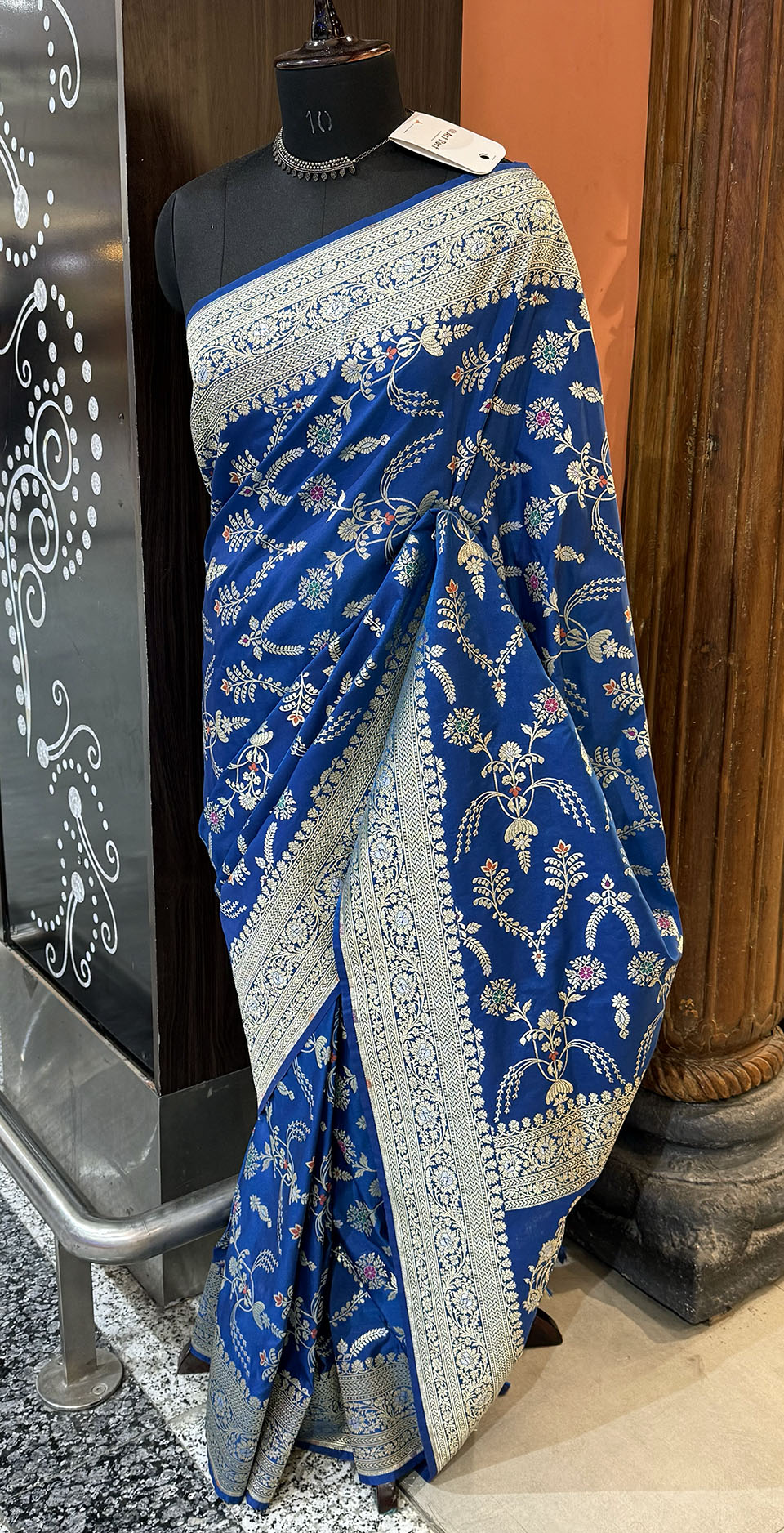
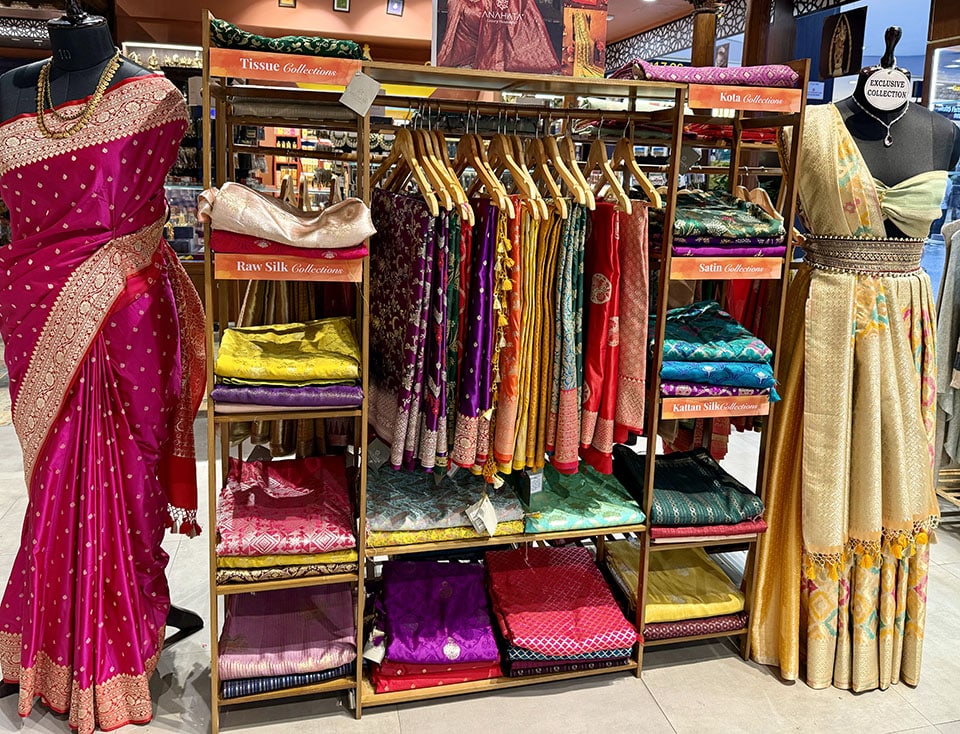
We were sad to leave India, and all its beautiful colors behind after five weeks of amazing sightseeing (these gorgeous saris were at the Delhi airport!)… but also grateful for the chance to squeeze in one more adventure on our way back home to Mexico!
Istanbul has been a favorite city of ours for many years. So we were super happy to find a return flight from Delhi, India, to Mexico City on Turkish Airlines with a 15-hour layover in Istanbul!
Originally, when looking for tickets for our India trip, the most direct flights connecting Mexico with India were through Dubai, UAE, or Riyadh, Saudi Arabia. For a nanosecond, we thought about returning via Dubai and staying a few days to explore that extravagant city.
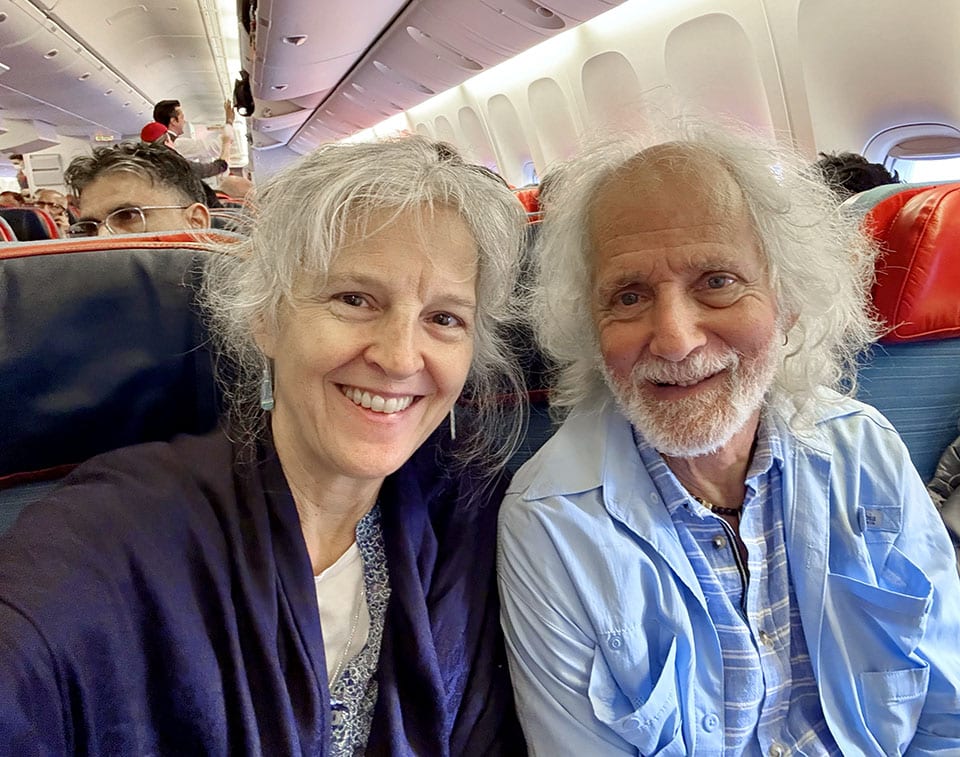
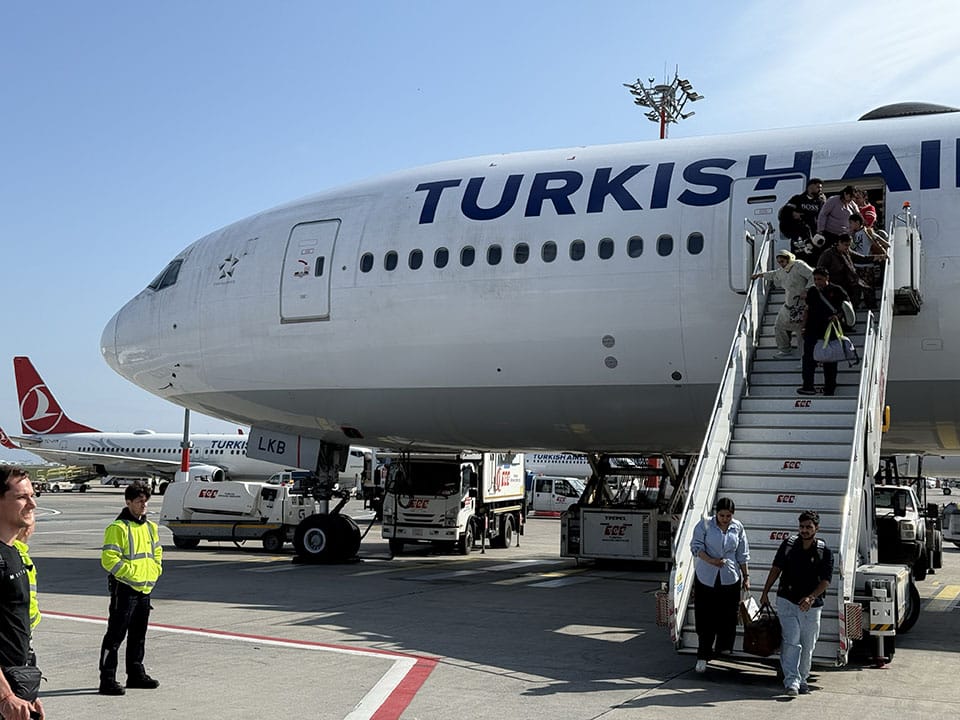
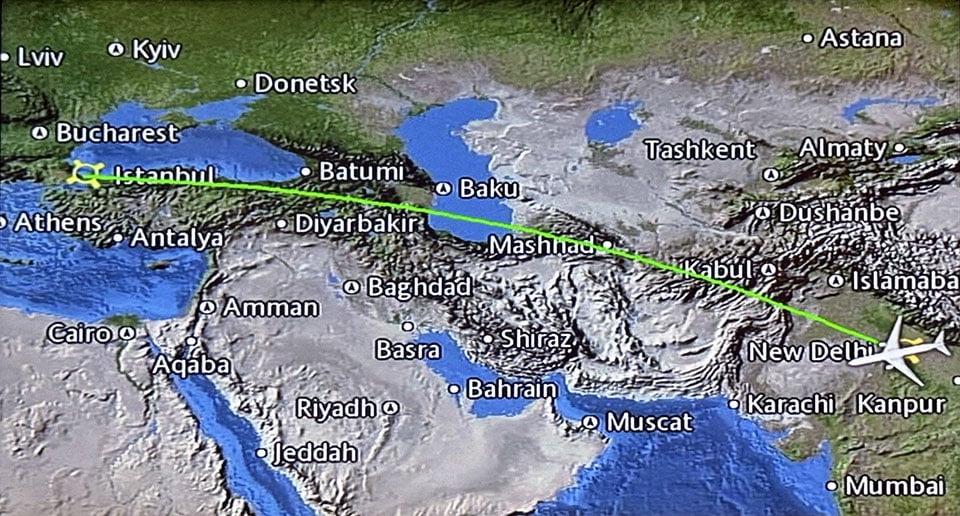
But when we actually thought about the overconsumption, the water waste, and the idiocy of building a mega city in the middle of a desert…we decided we didn’t want to spend a penny there. And in hindsight, since a crazy war started in the Middle East while we were in India, we were so grateful to have chosen the Istanbul route home!
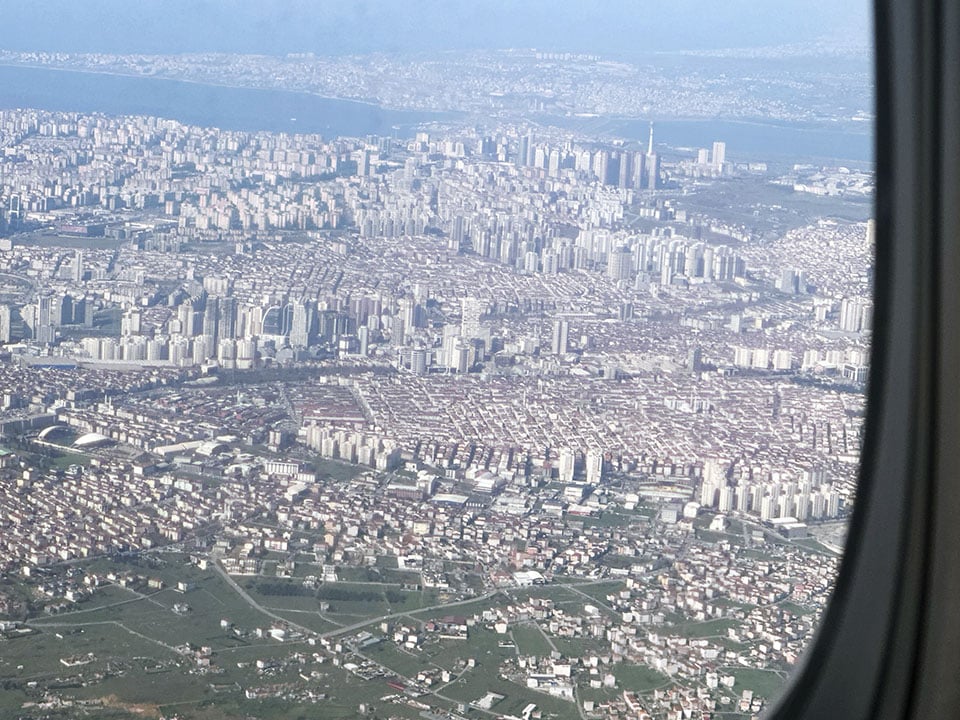
Istanbul: An Ancient Modern City
Istanbul, Turkey, is one of those fascinating places where two continents meet, with Europe on one side of the Bosphorus Strait and Asia on the other. For centuries, this strategic location made it a hub for traders traveling the ancient Silk Road and a crossroads of cultures, religions, and civilizations.
Istanbul was Constantinople
Now it’s Istanbul, not Constantinople
Been a long time gone, Constantinople
Now it’s Turkish delight on a moonlit night
— Song lyrics for Istanbul not Constantinople
Once known as Constantinople, the city was the capital of the Byzantine Empire before becoming the heart of the Ottoman Empire. Today, you can still see the layers of history everywhere, from magnificent domes and minarets to bustling spice bazaars and winding streets. Christianity and Islam, East and West, ancient traditions and modern life all come together here in a city that’s as complex as it is captivating.
Kirk first visited Istanbul and fell in love with this vibrant city on a cycling trip through Europe, North Africa, and Asia in the 1970s. Back then, Turkey had a credit problem with coffee-producing countries, and getting coffee was nearly impossible. Kirk was traveling with some Folger’s crystals and paid for his room with a half-empty jar of instant coffee! Those were the days…
Then, in 2013, after a family sailboat charter on the Amalfi Coast (which we highly recommend doing!), we realized we were just a short jump from Istanbul, and Kirk wanted Heidi to experience one of his favorite cities.
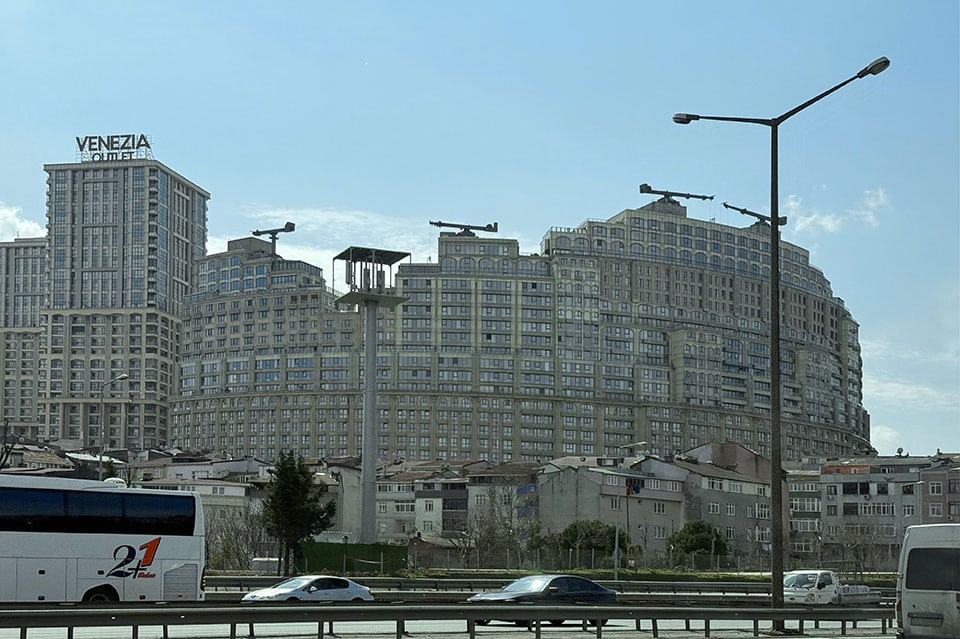
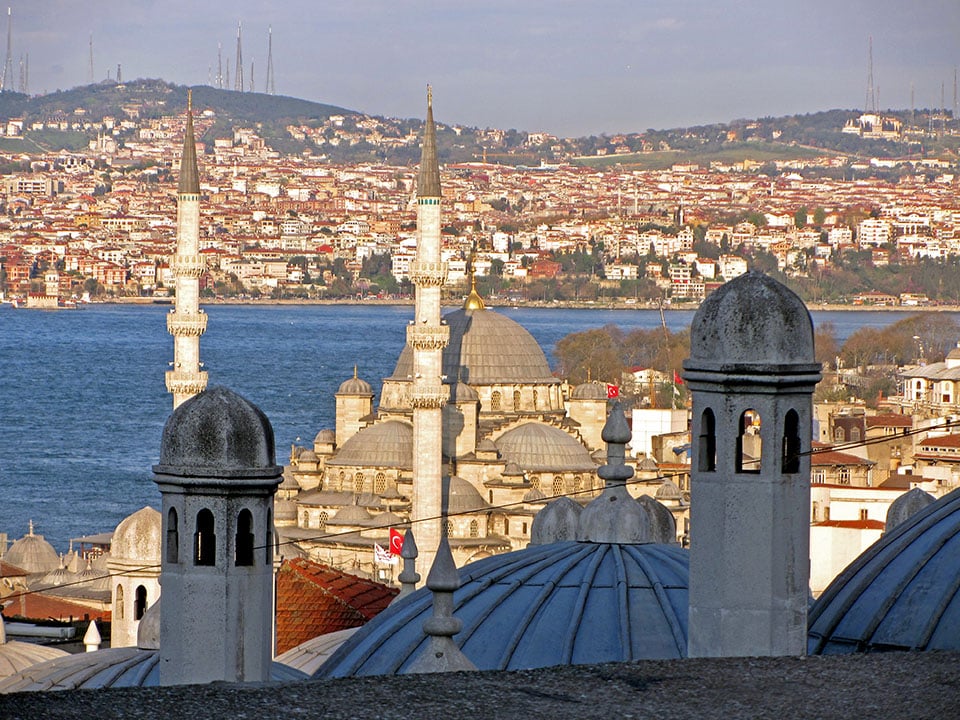
Modern Istanbul Venezia multi-use complex with 2,000 apartments and 200 shops and restaurants; and the view of the New Mosque and across the Golden Horn (a sheltered, horn-shaped estuary and major inlet of the Bosphorus Strait on the European side of Istanbul, Turkey).
So we went for a week, and Heidi absolutely loved it, too! That says a lot about how amazing Istanbul is, because she was actually pretty sick with an upper respiratory infection when we visited in 2013. She really should have spent most of that week in bed, but she wasn’t about to miss out on exploring this ancient city. So she rallied and made the most of our time there, and now, when she thinks back on that first trip to Istanbul, she doesn’t even remember how sick she was! Also, it was fairly cold and gray on both of our visits (late March this time and early April in 2013)…and still we LOVED our time there and highly recommend visiting.
Kirk was shocked by how much Istanbul had grown over 40 years…from a population of 1 million when he first visited to 14 million in 2013. In the past 13 years, it has only grown by another million, to about 15 million today.
Turkish Rugs
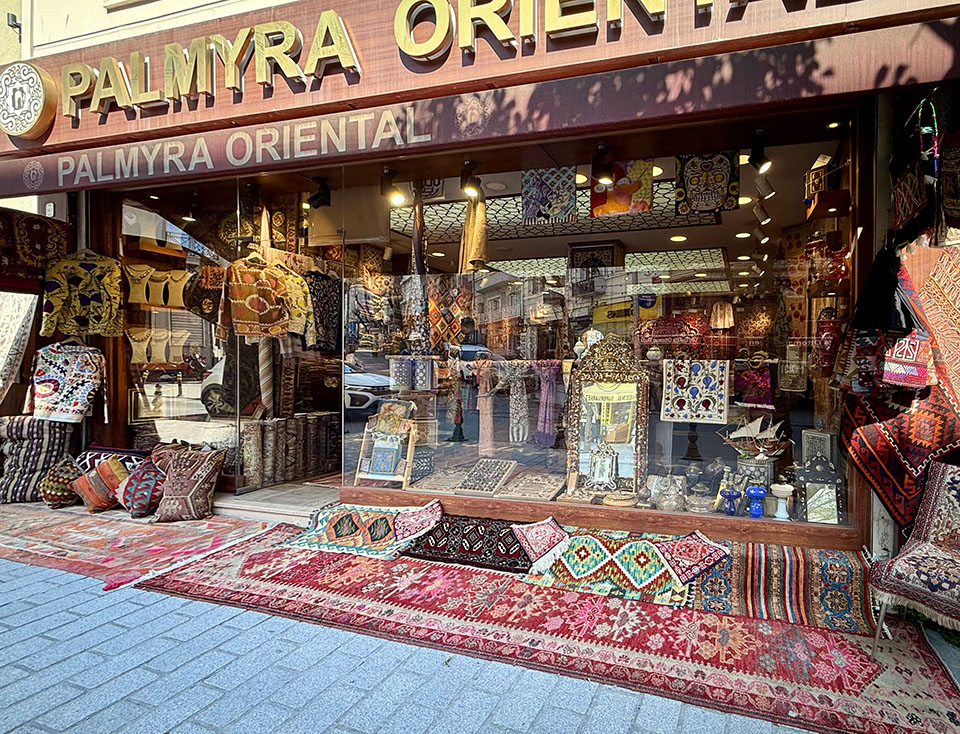
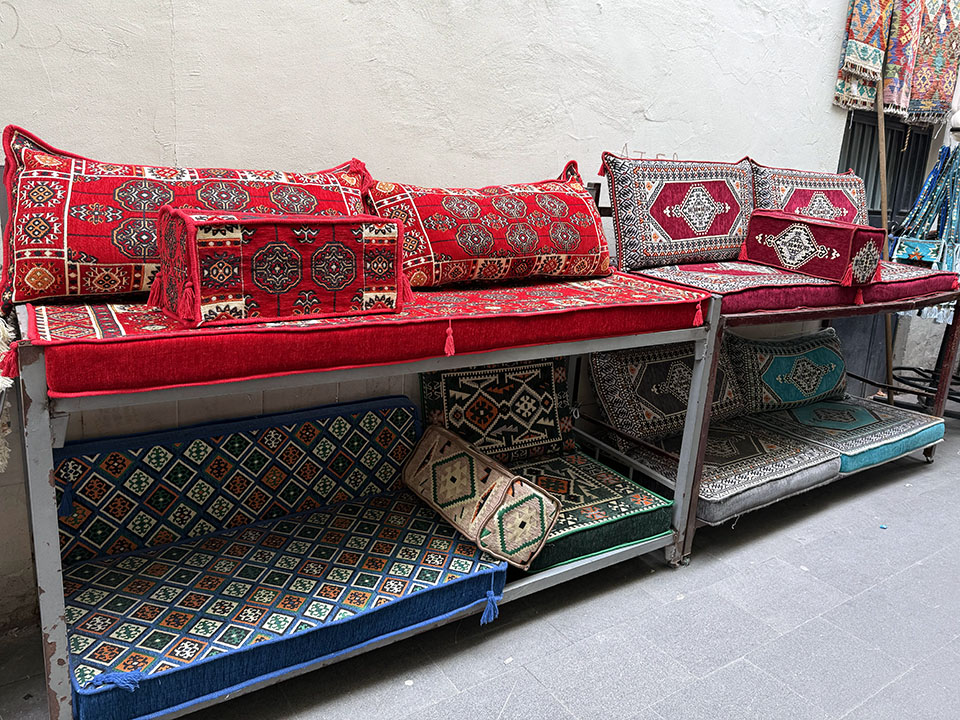
On our trip in 2013, we were tasked with finding a specific small Turkish rug for our niece Kelsi’s wedding. So many rug vendors hawking their wares —it was like fending off used-car salesmen, quite overwhelming—and we were close to giving up when we walked past a rug vendor standing in his doorway.
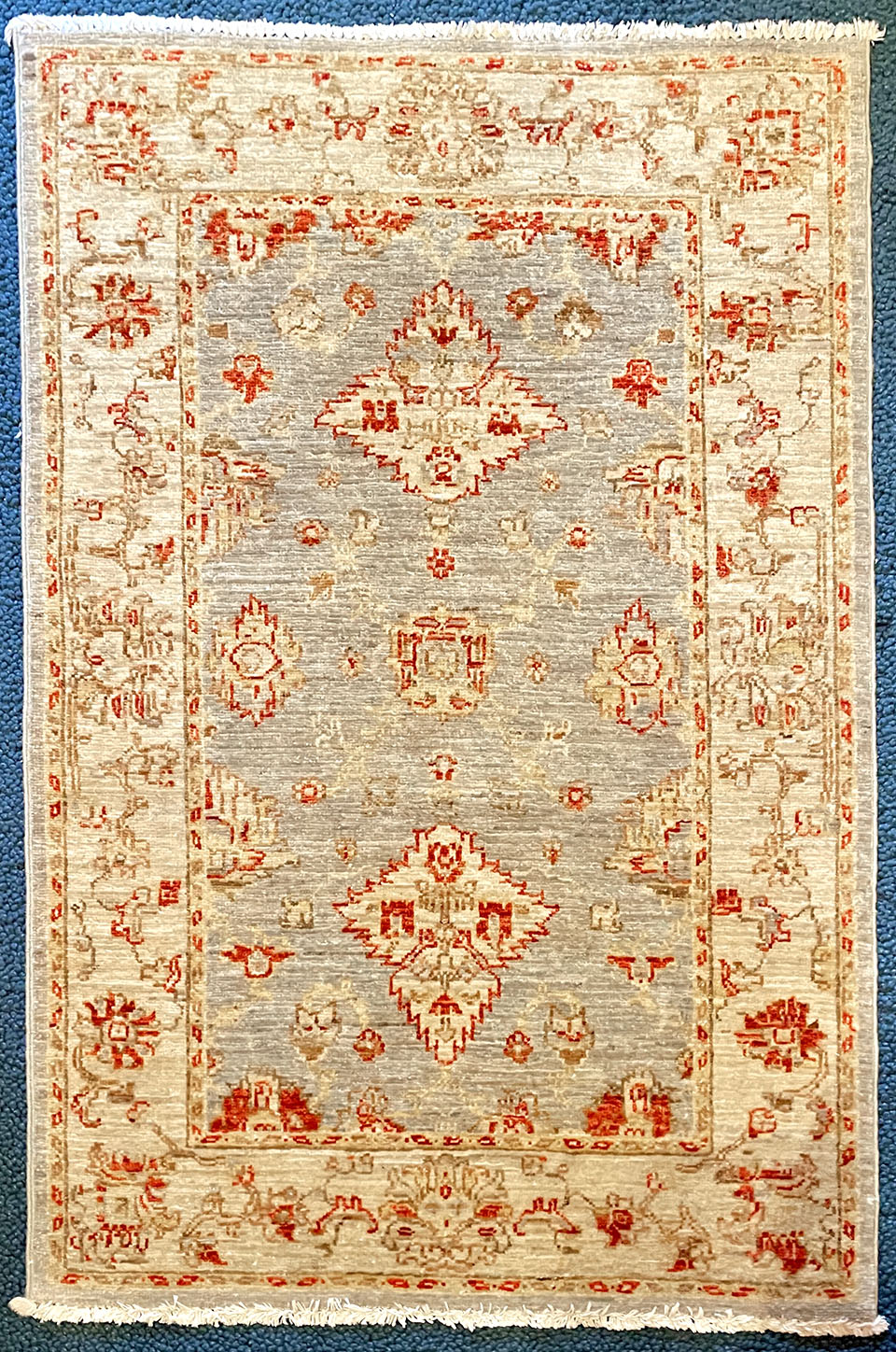
He asked where we were from, and when we said Seattle, he said, “Oh! My brother lives on Bainbridge Island.” We initially thought, “Yeah, right…that’s just a line to get us into your store…,” but it turned out to be true! Even more amazingly—and synchronstically—Metin had the exact carpet Kelsi had described to us (below)! He still keeps in touch when he travels to Bainbridge Island each year to visit his brother, and he brings Turkish rugs with him. Such a small world! Let us know if you need a Turkish rug; we can hook you up with Metin.
So on this recent trip, we were super excited to revisit some of our favorite haunts in the Sultanahmet, Eminönü, and Tahtakale neighborhoods in Istanbul’s Fatih District.
Turkish Guesthouses
In 2013, we stayed at the Terrace Guesthouse, a lovely small pension just a few blocks from the Hagia Sofia and the Blue Mosque. The proprietor Dogan was so nice and welcoming, and we have stayed in touch with him since then.
So we reached out to Dogan to see if we could reserve a day room to drop our bags and maybe take a nap and shower on our layover. Unfortunately, for us, he would be out of town on holiday, and his Guesthouse would be closed that date.
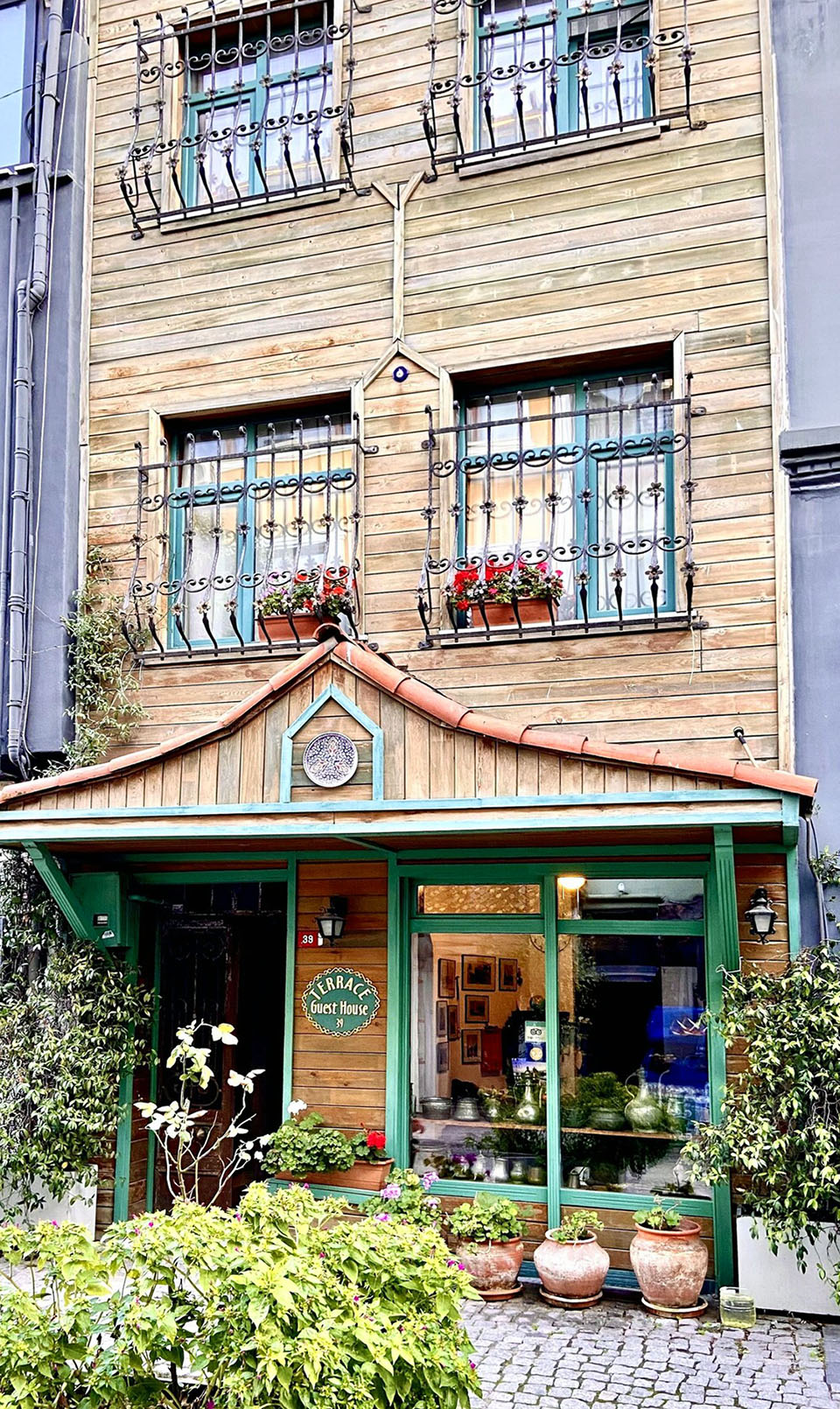
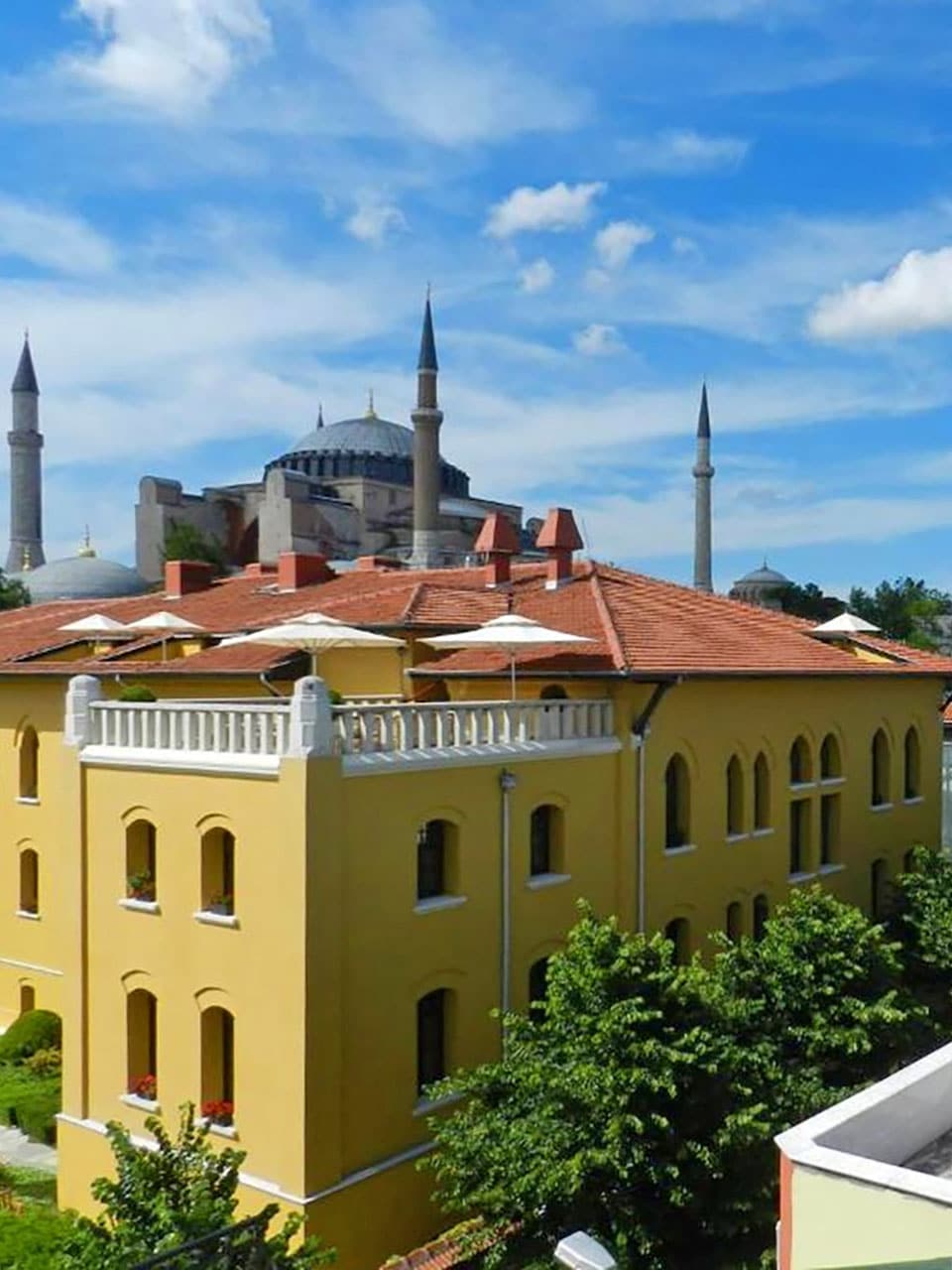
The front of the lovely Terrace Guest House and the view from the roof of the Berk Guest House looking across to the Four Seasons yellow hotel in the foreground, and the Blue Mosque in the background.
However, Dogan referred us to his friends a few doors down at the Berk Guest House, or “Grandma’s House”, and after a couple of emails back-and-forth with Yesim, we had a room reserved.
The Fajr, or Dawn Prayer
One of Heidi’s favorite memories from our previous trip was waking to the hauntingly beautiful 5 AM Call to Prayer reverberating through an open window in our tiled bathroom. This YouTube video below is similar to what we heard…
The Fajr, or Dawn Prayer, is distinct from the other four daily calls in a couple of ways. In Turkey, the five calls to prayer are sung using different traditional melodic structures. The Fajr call is intentionally sung in the Saba Maqam, a musical style meant to evoke gentle melancholy, deep spiritual longing, and tranquility, matching the quiet dawn hours.
It also includes an extra line of Arabic text repeated twice that isn’t used during the daytime calls: “As-salatu khayrun minan-nawm,” which translates to “Prayer is better than sleep.” On this recent trip, we missed hearing the Dawn Prayer because we arrived mid-morning.
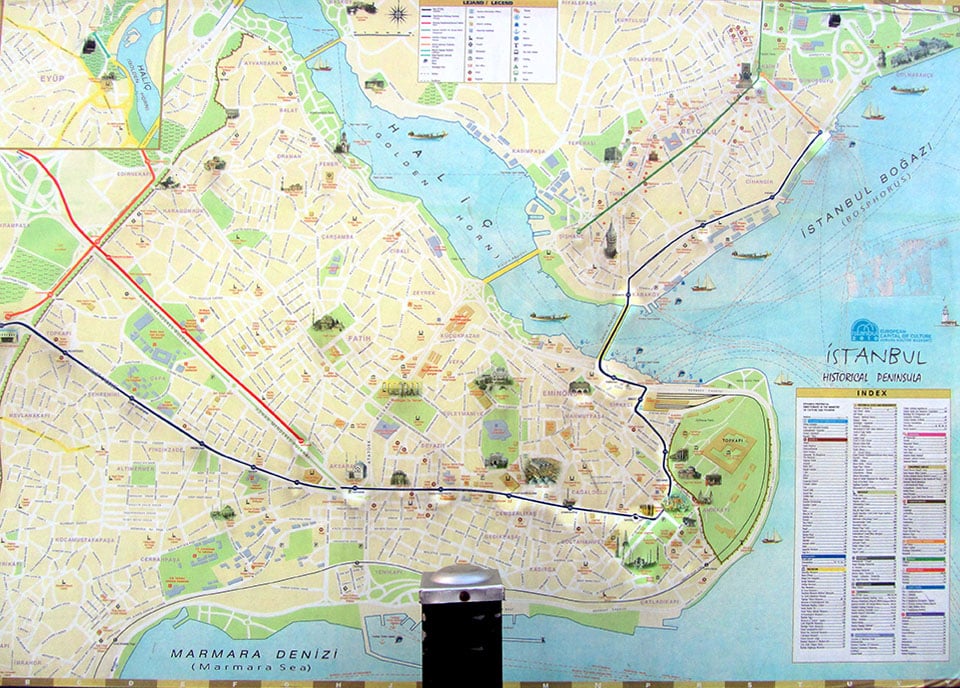
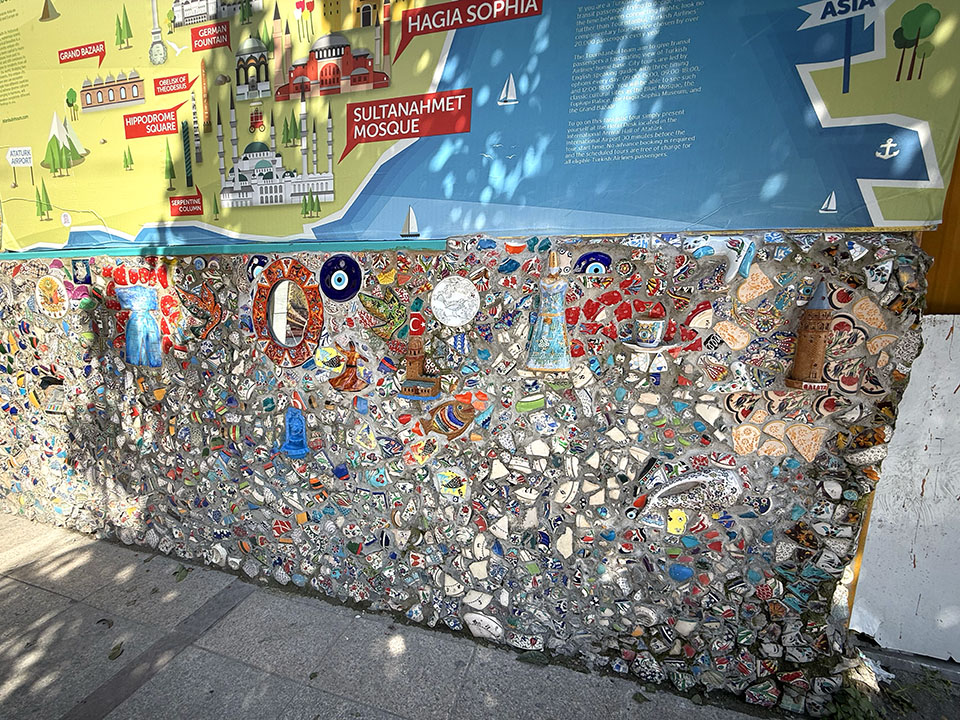
Tourist Maps of Sultanahmet
Sultanahmet
After a seven hour flight from Delhi (including a 2 1/2 hour time difference) we landed in Istanbul around 11 AM. We got through customs easily with our small carry-on backpacks (our suitcases were checked through to Mexico City), then grabbed a taxi for the hour-long ride to Berk Guesthouse in Sultanahmet.
Yesim & Ahmet were wonderful hosts. Yesim’s grandmother started their lovely guesthouse (hence the name Grandma’s House). And our room was ready when we arrived around noon. They even made tea and delicious food for us, which was a total surprise.
We planned to take a nap before heading out sightseeing…but the food perked us up, and we were excited to go for a walk.
The air was chilly in late March, and the brisk wind made it feel even colder than India or Mexico. So Heidi was very happy for her recent Kashmir scarf purchase from India.
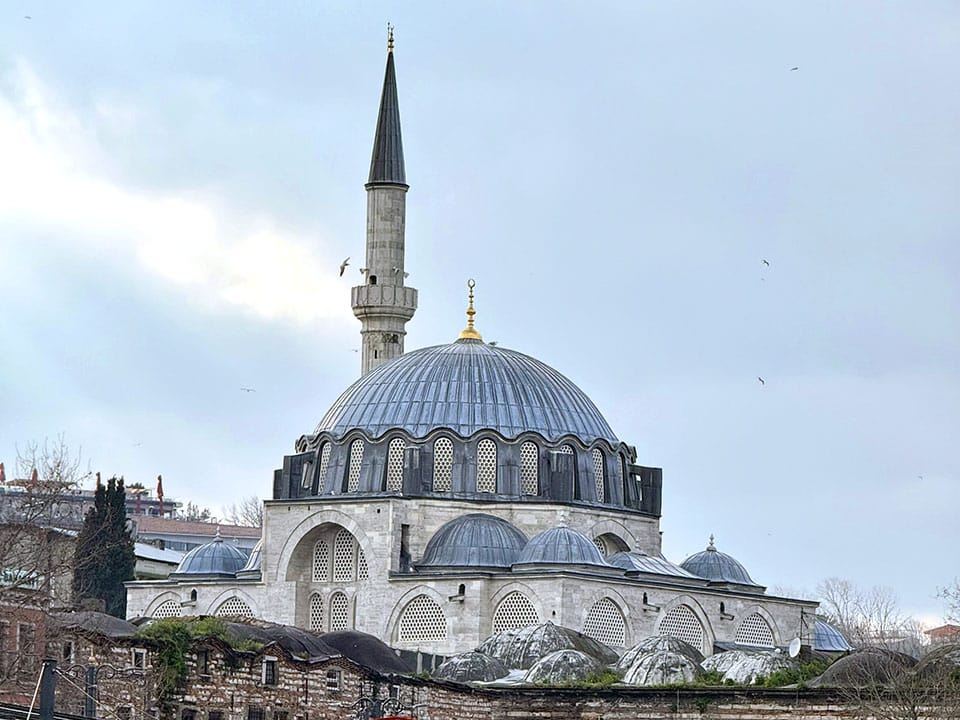
Rüstem Pasha Mosque
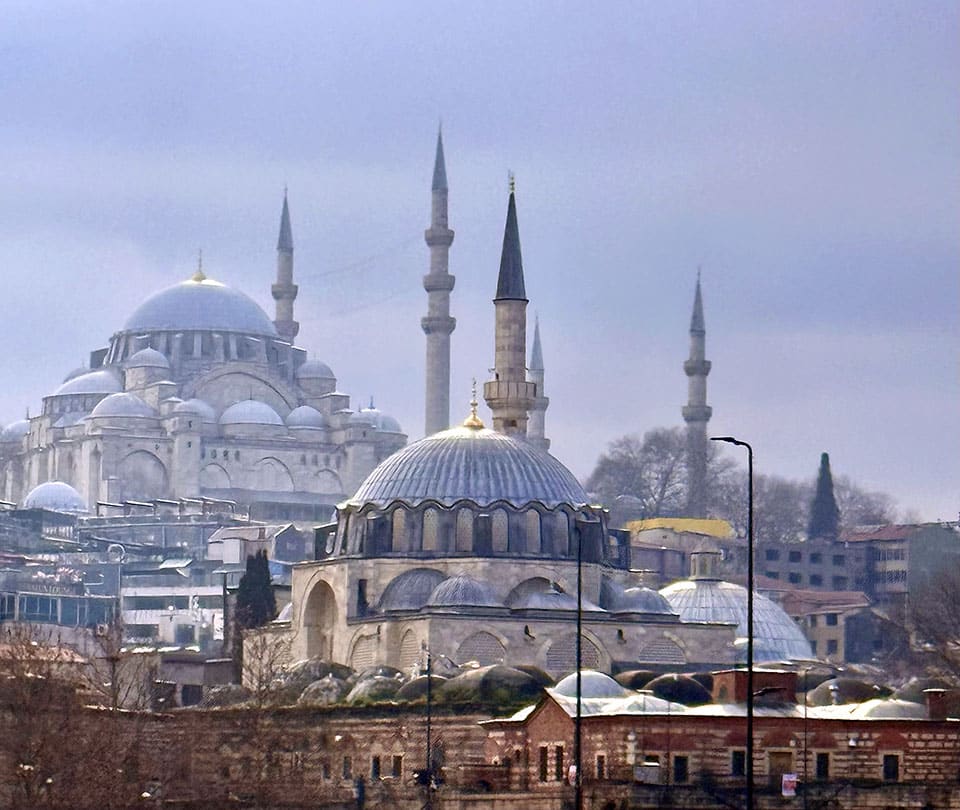
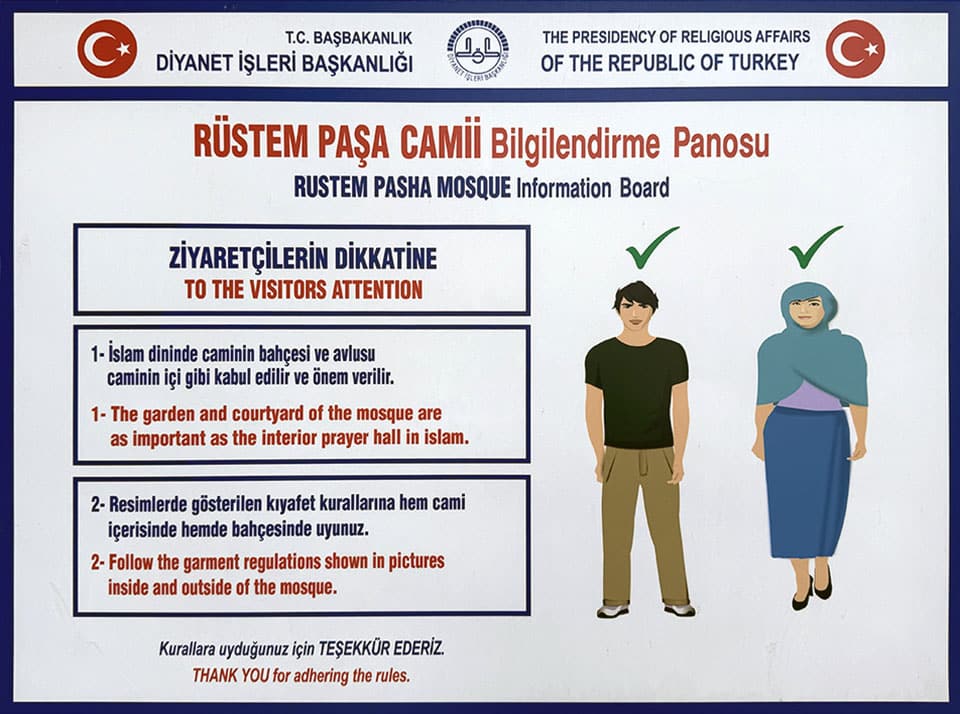
Our first stop was at our favorite mosque, Rüstem Pasha. Heidi’s new scarf also came in handy for covering her head, as is required for women entering a mosque. Tucked away with a hard-to-find secret entrance, the stunning blue interior is decorated with an amazing collection of blue Iznik tiles, banded Arabic-style arches and calligraphy, stained-glass windows that create dramatic lighting, and lush carpeting, making this mosque worth the hunt and visit!
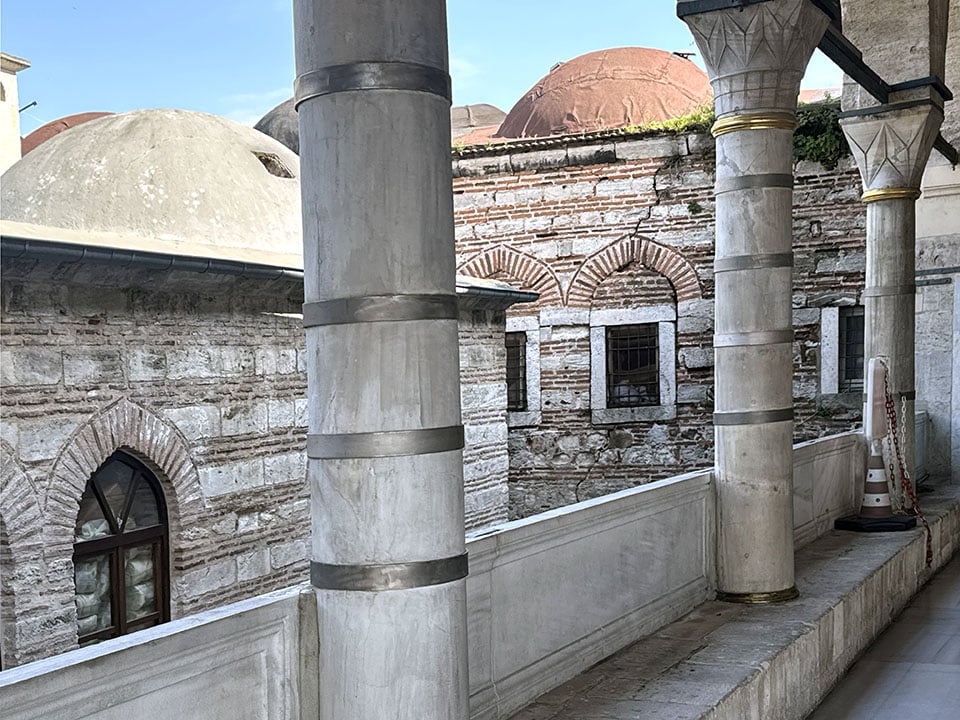
So why is it so hard to find the entrance to our favorite Mosque? When the Ottoman imperial architect Mimar Sinan designed the mosque in 1560, he faced a big challenge: the Eminönü waterfront district was super cramped, muddy, and packed with valuable commercial real estate. There was no space to build a new mosque.
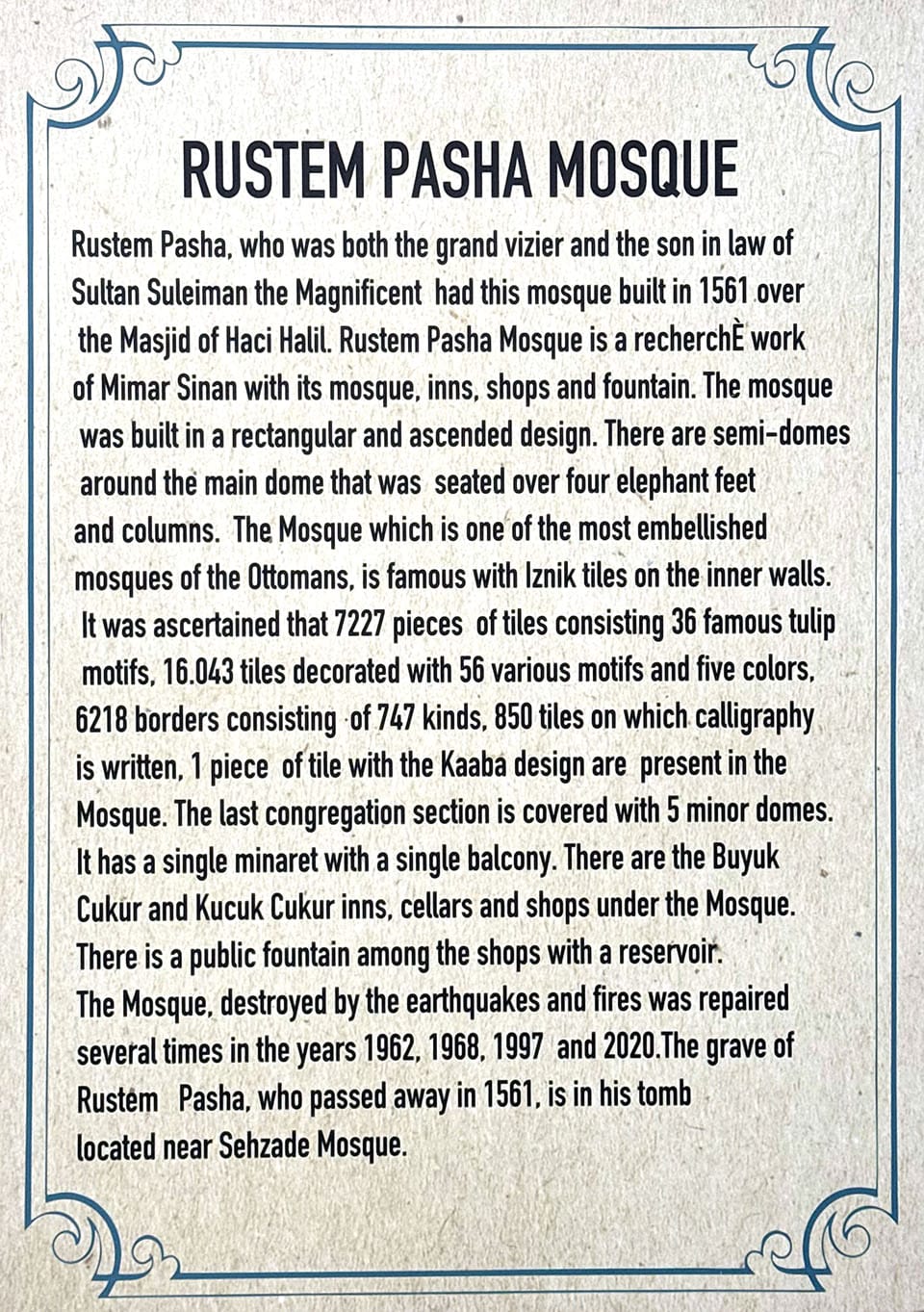
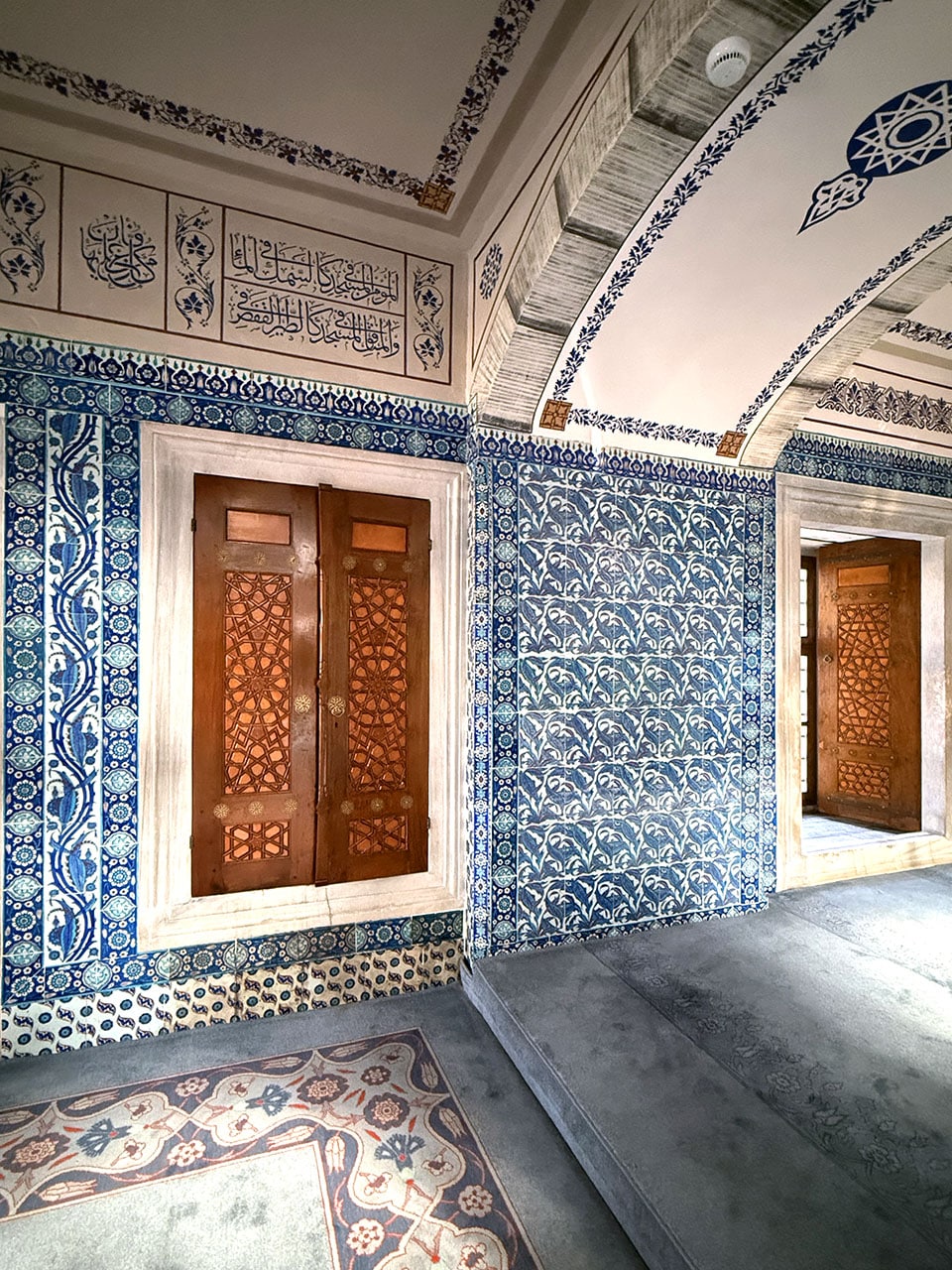
So instead of clearing out the local merchants, Sinan devised an ingenious structural solution. He built a high vaulted stone terrace 20 feet above street level and sat the mosque on top of it.
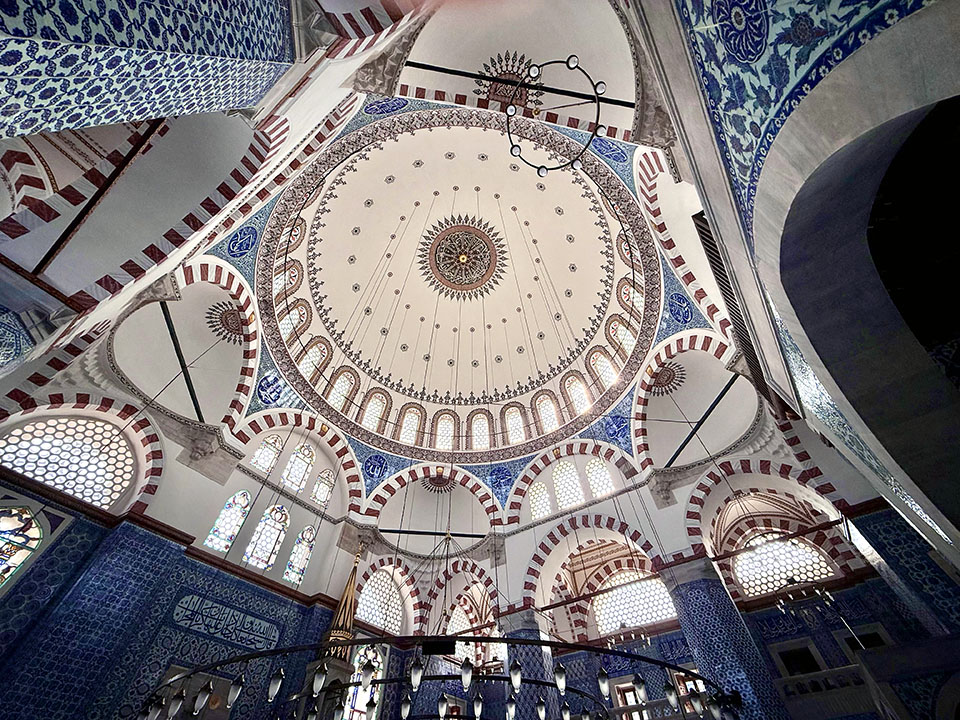
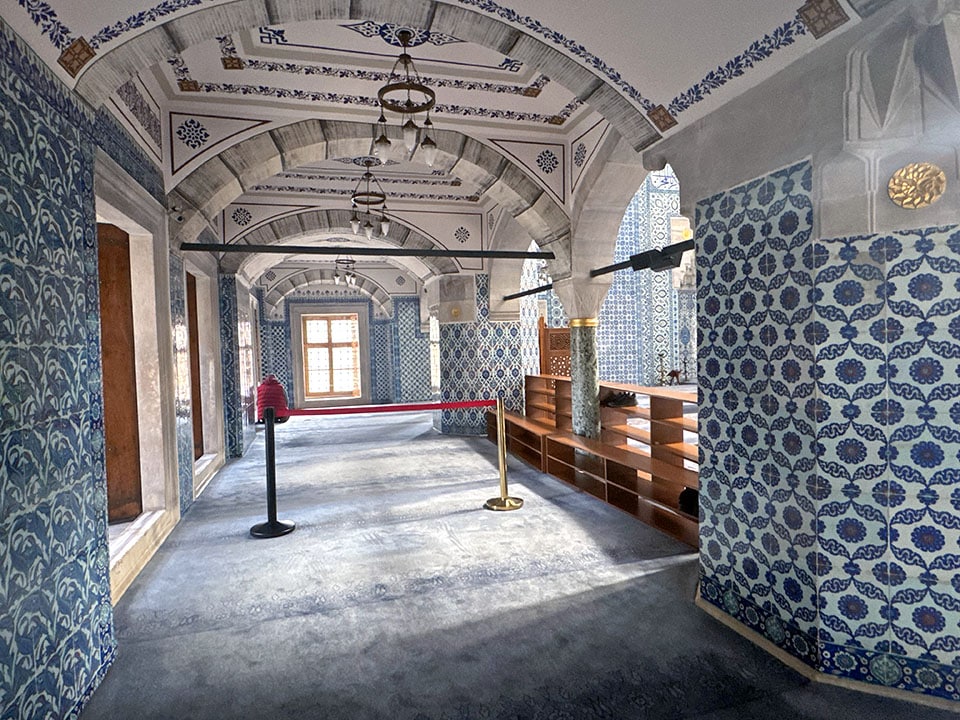
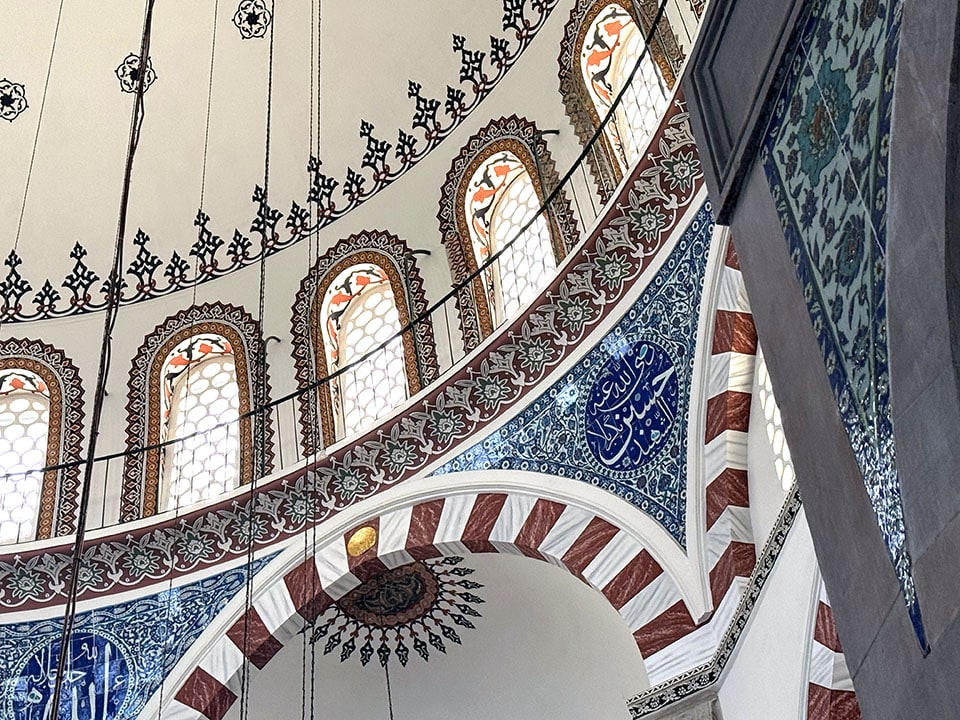
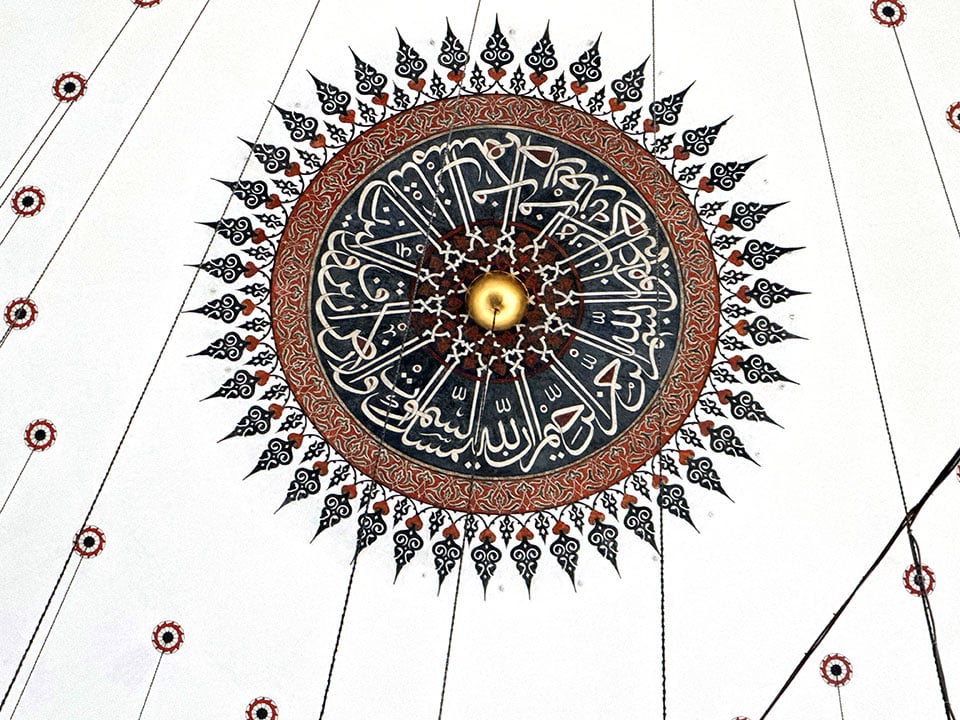
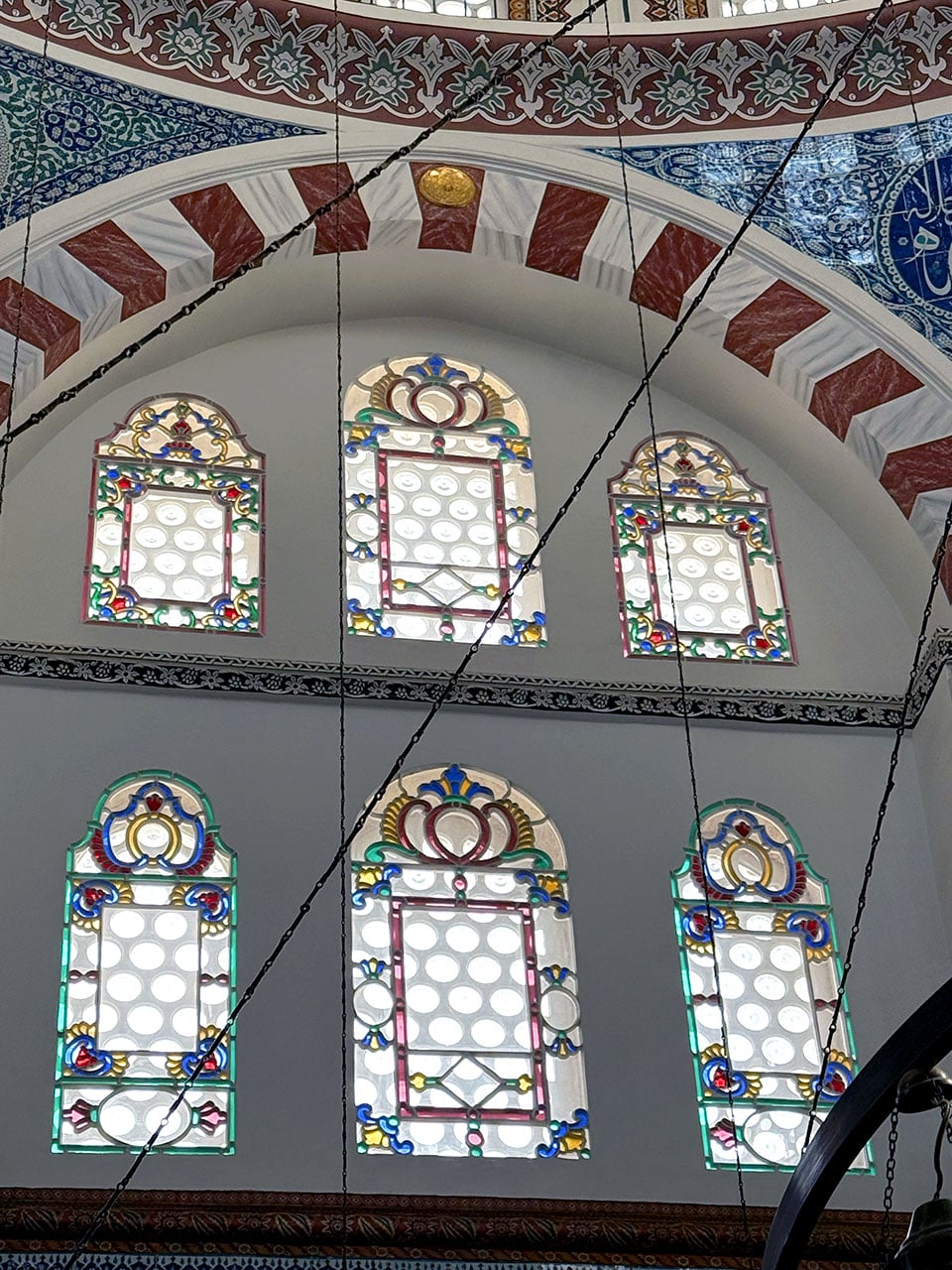
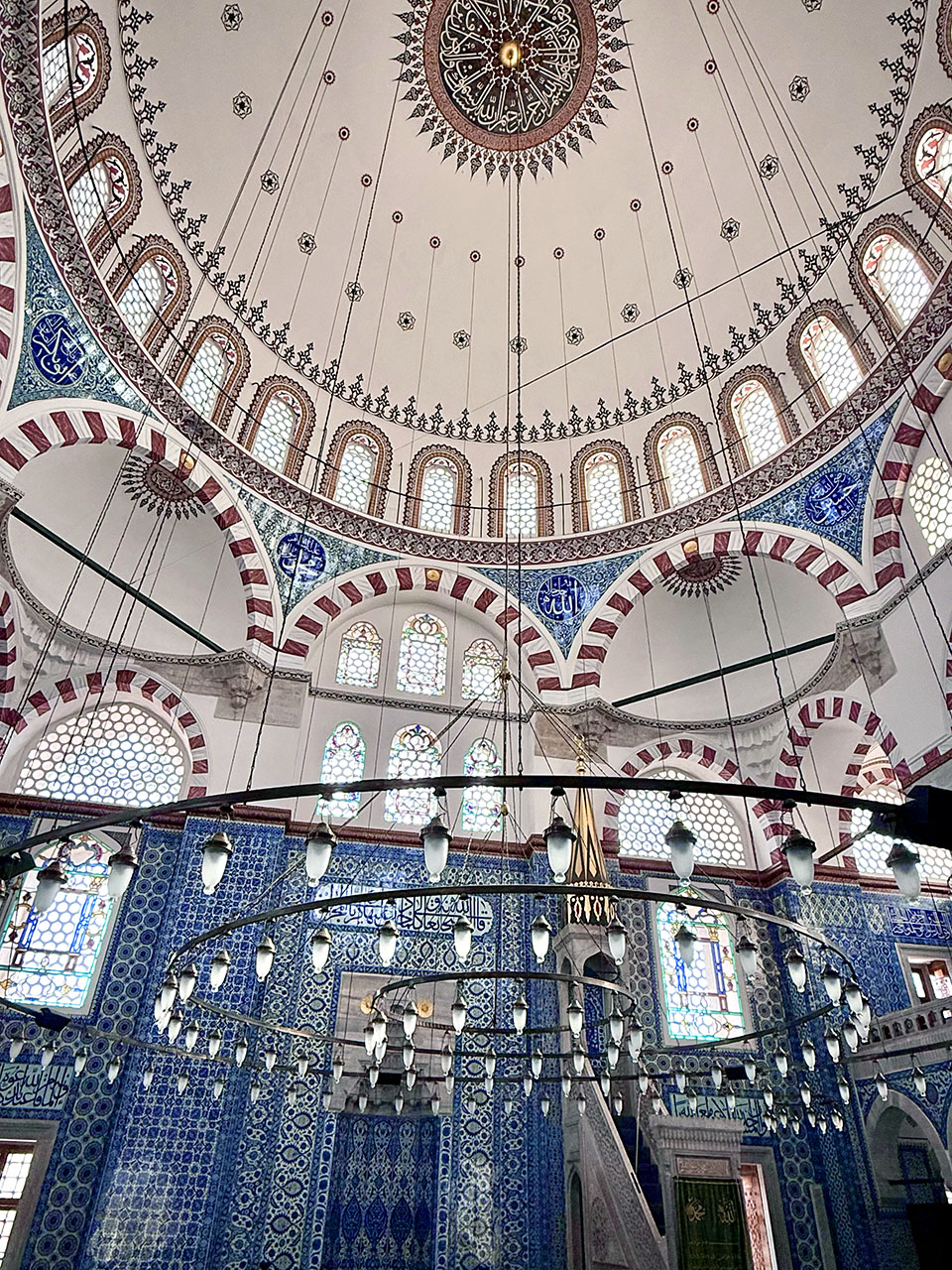
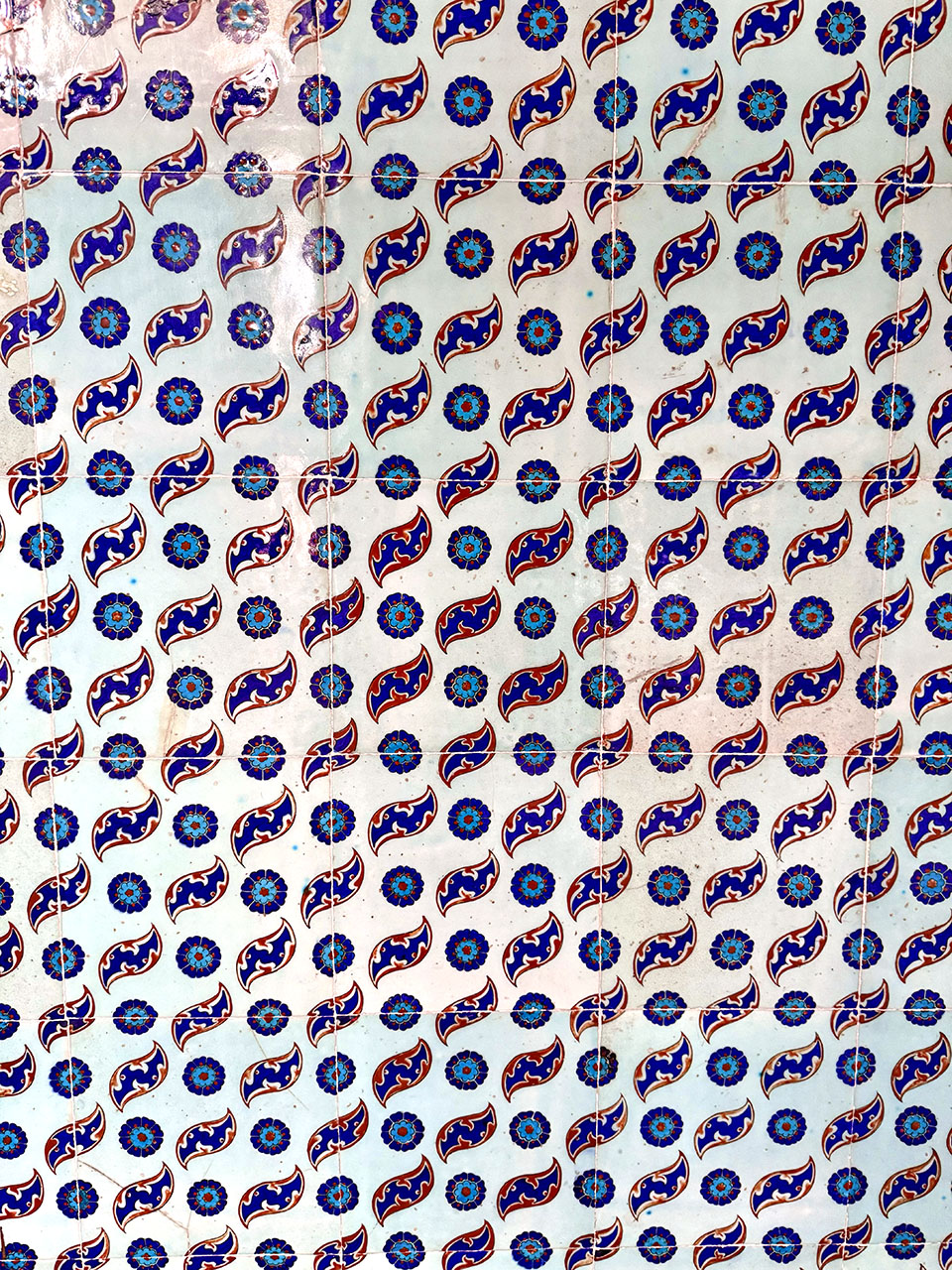
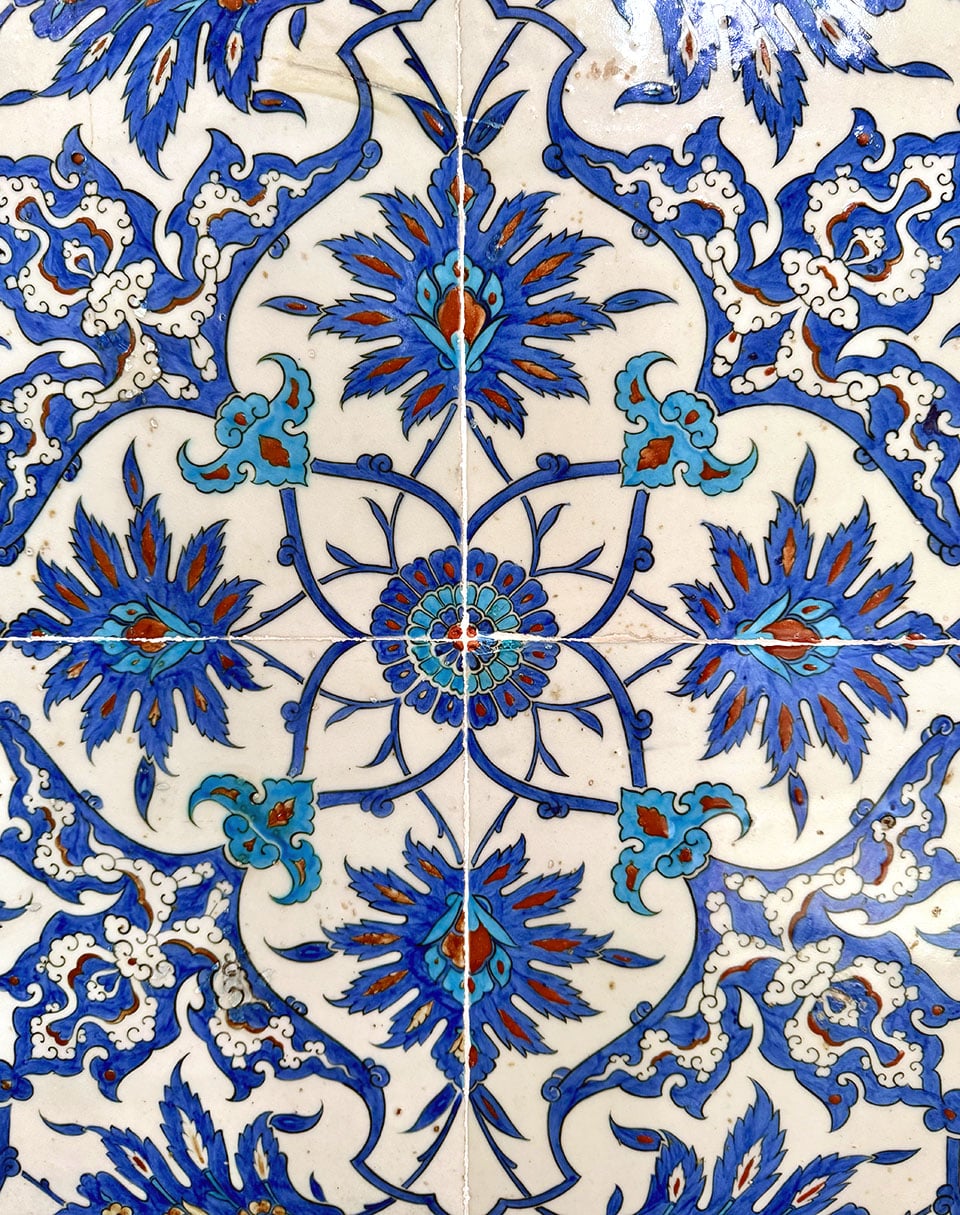
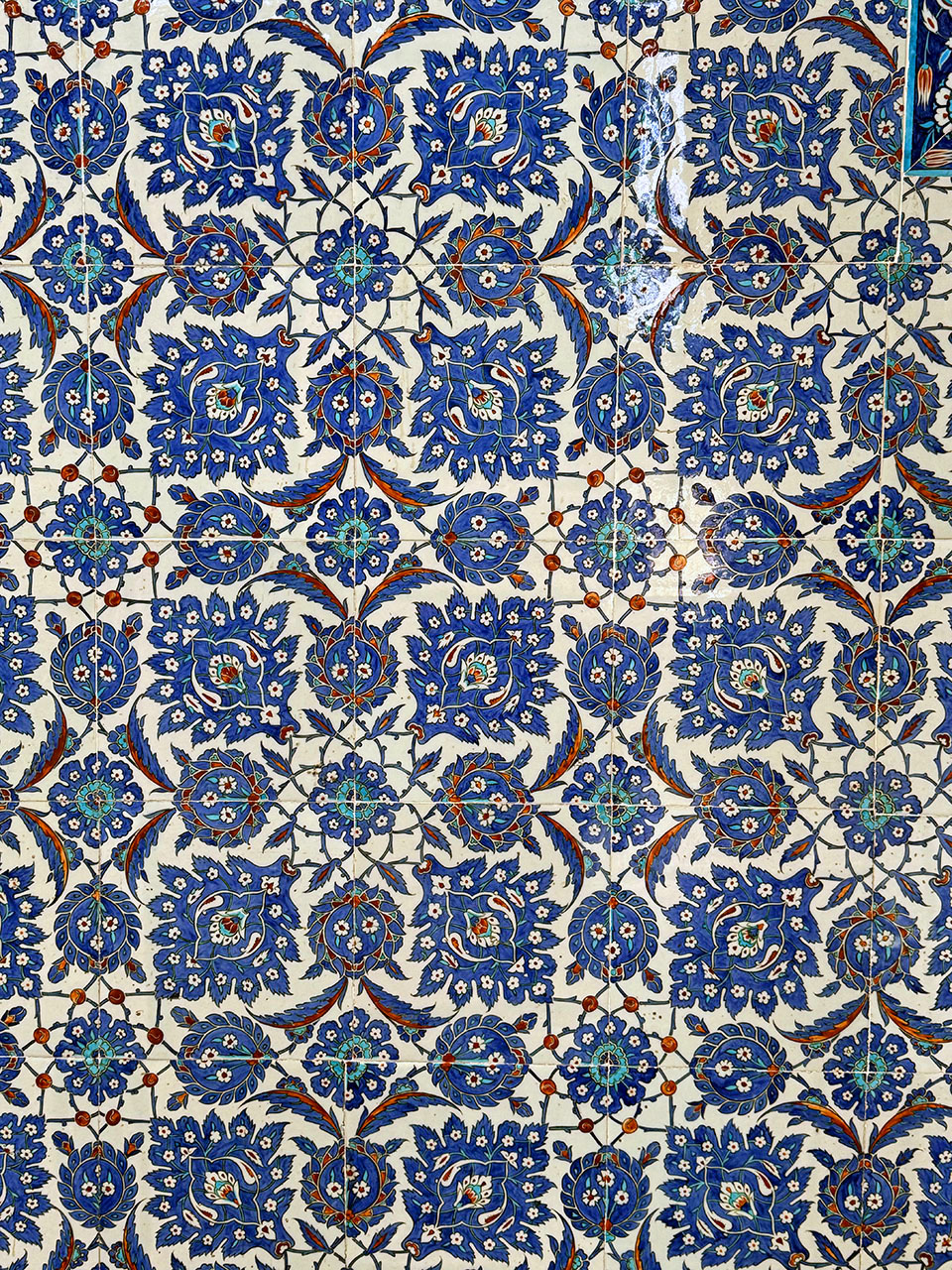
Close-up of some of the thousands of different Iznik tiles.
The street level was reserved for rows of shops, and rental income maintained the mosque. Because Rüstem Pasha “floats” above a block of stores, there is no grand courtyard or front door visible from the street. You have to know where to look for the dark staircase that ascends to the courtyard above the main entrance. In 2013, we hunted far and wide for the entrance before finally stumbling upon the stairwell. It sits towards the water, close to the northwest entrance to the Egyptian Spice Bazaar.
Egyptian Spice Bazaar
After taking in the beauty of Rüstem Pasha, we headed through the crowded streets to another nearby favorite: the Egyptian Spice Bazaar.
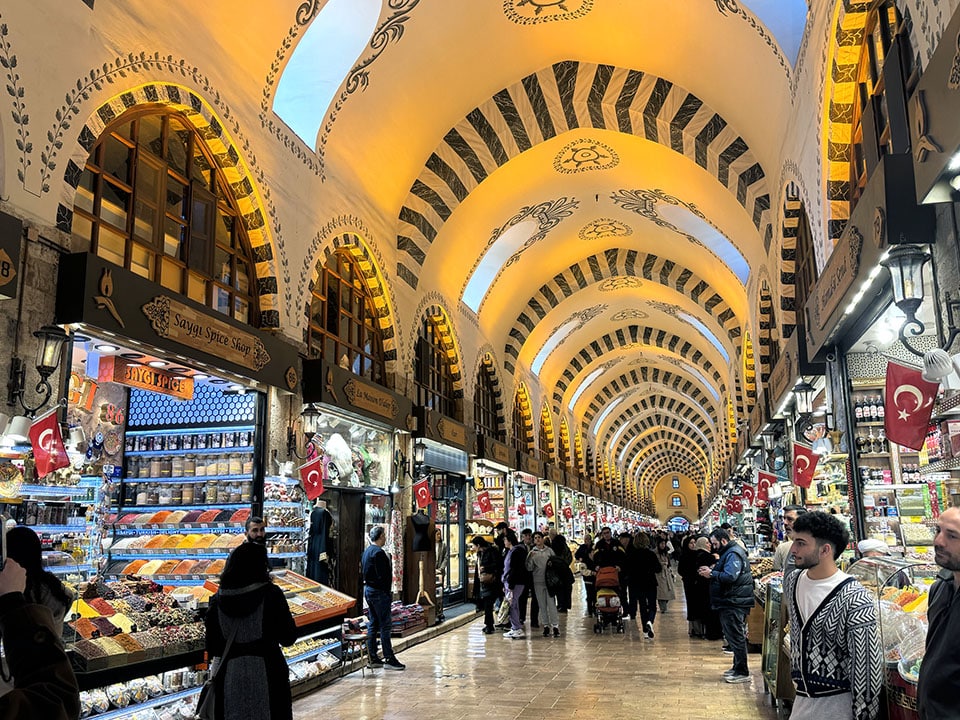
Built in the 1660s, its construction was funded by imperial trade taxes collected from then Ottoman-ruled Egypt, which is how it got its name. This market served as the final western stop of the Silk Road maritime routes, where exotic goods from South Asia met Mediterranean merchants.
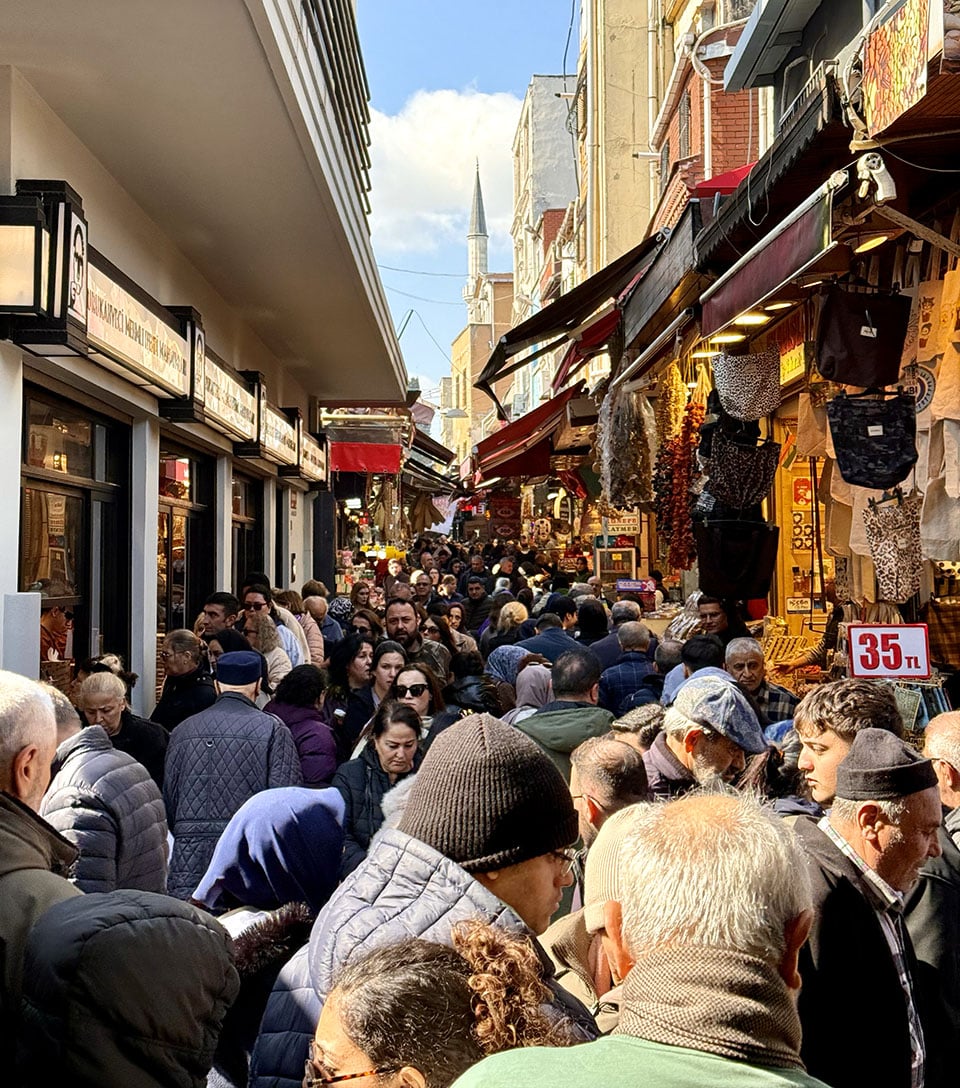
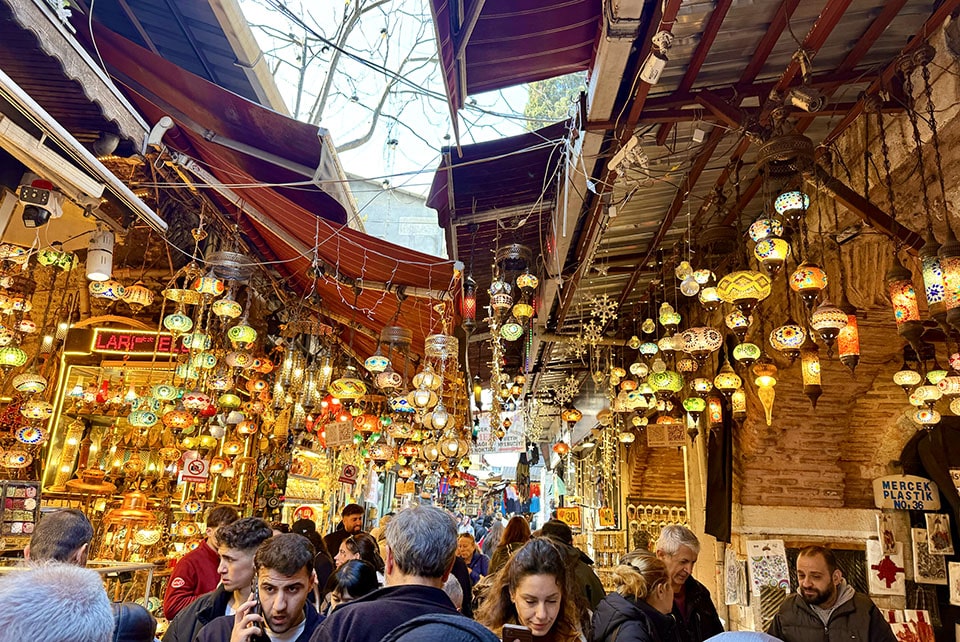
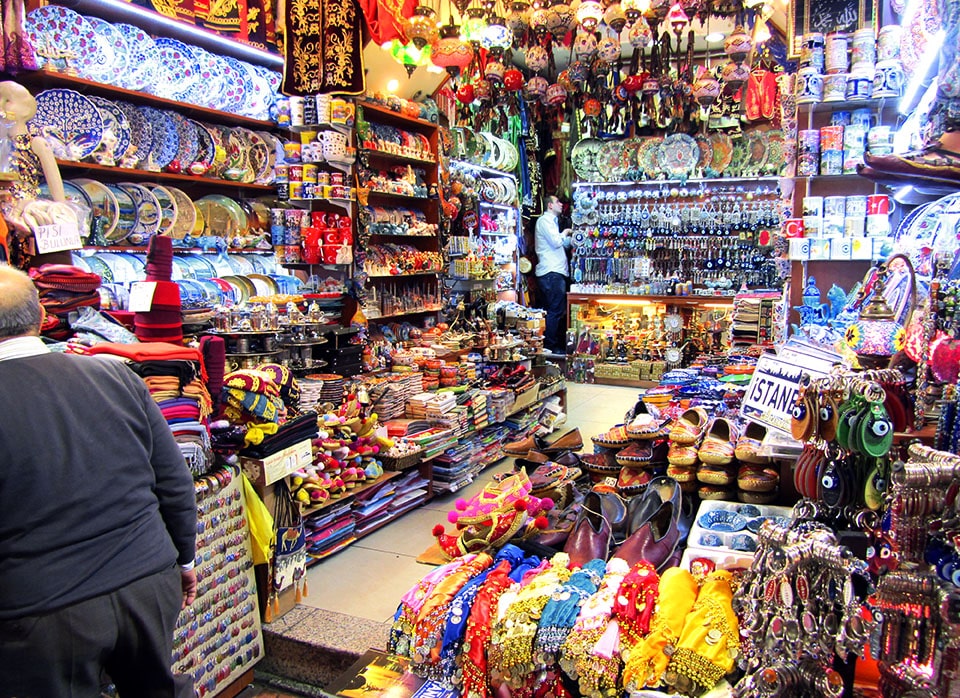
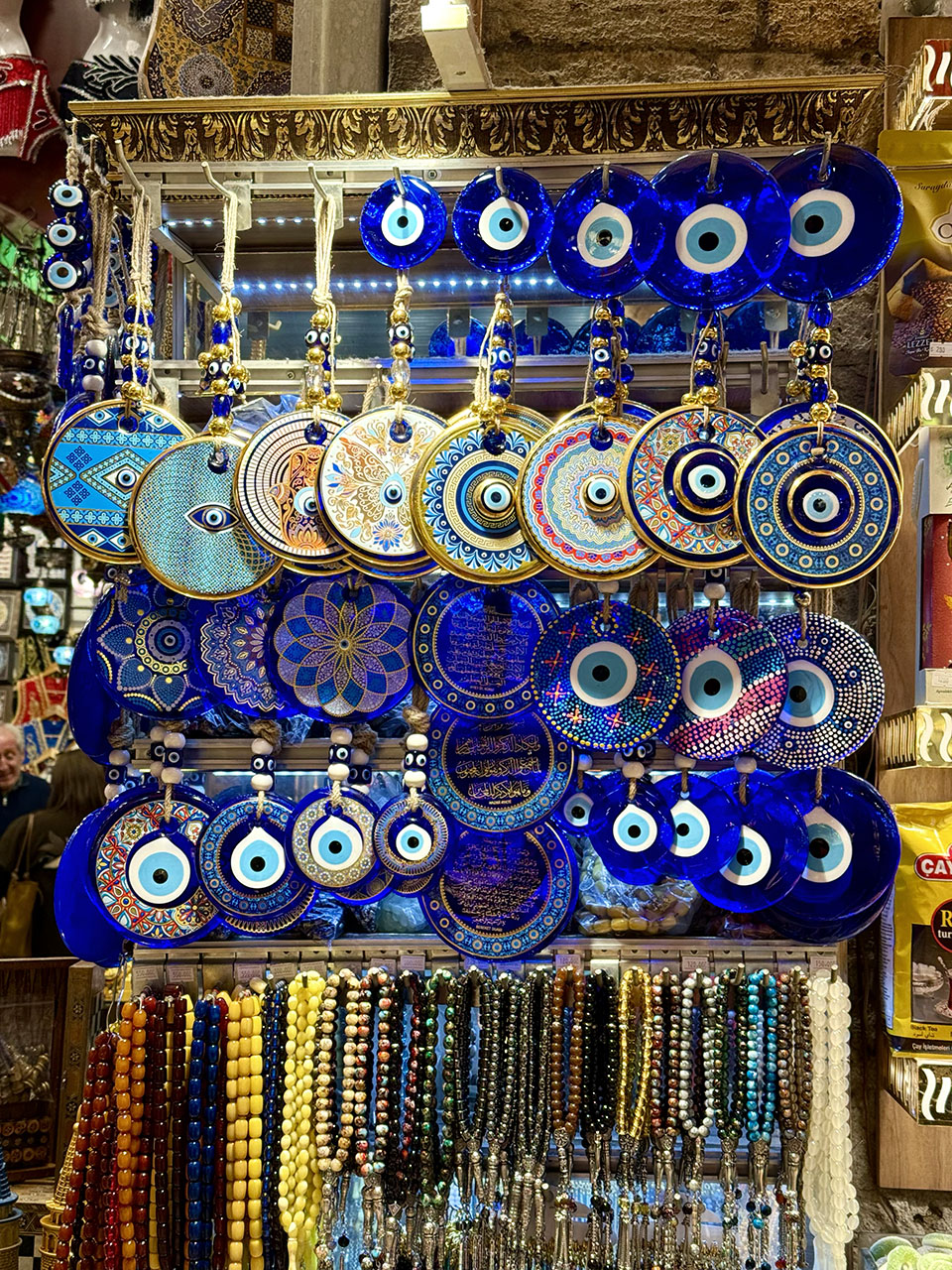
It was cool to learn that historically, its vendors were exclusively medicinal herbalists, spice compounders, and dry-ingredient traders. Today shops display colorful pyramids of spices, premium Turkish Delights, artisanal teas, dried fruits, jewelry, evil eyes, glass lamps, Turkish towels, and a variety of other modern-day souvenirs.
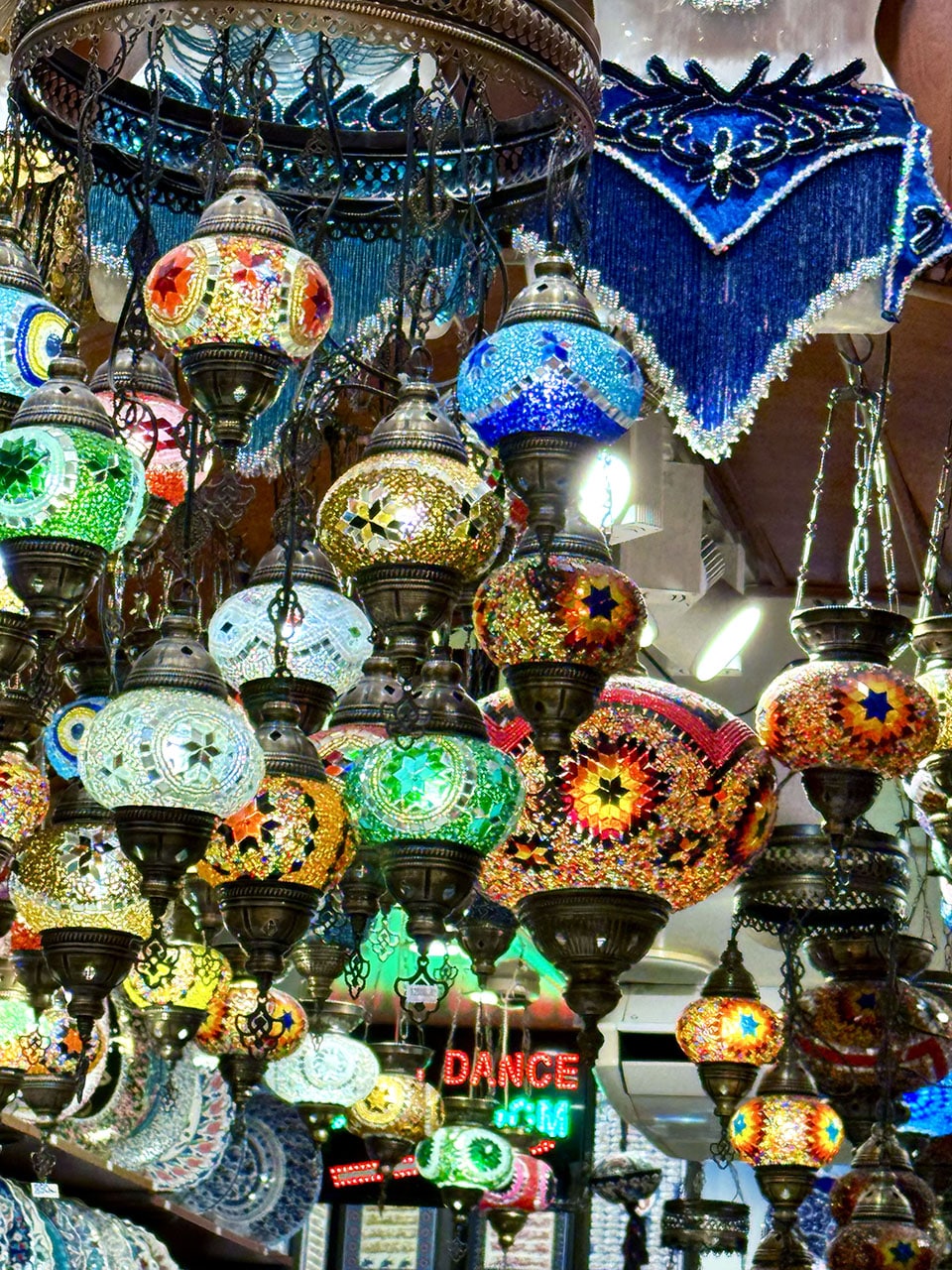
We loved this market on our previous visit and we’re excited to return. But as soon as we stepped inside the Egyptian Spice Bazaar, we noticed something completely different. It didn’t look the same…and we wondered if we were in the right place or if we had misremembered it.
So we asked someone and learned that this historic marketplace had recently undergone a massive, five-year restoration and updating of the interior corridors, moving decades of cluttered overhead wires, unregulated signs, and exposed cooling units underground beneath the stone floor slabs. No wonder it looked different!
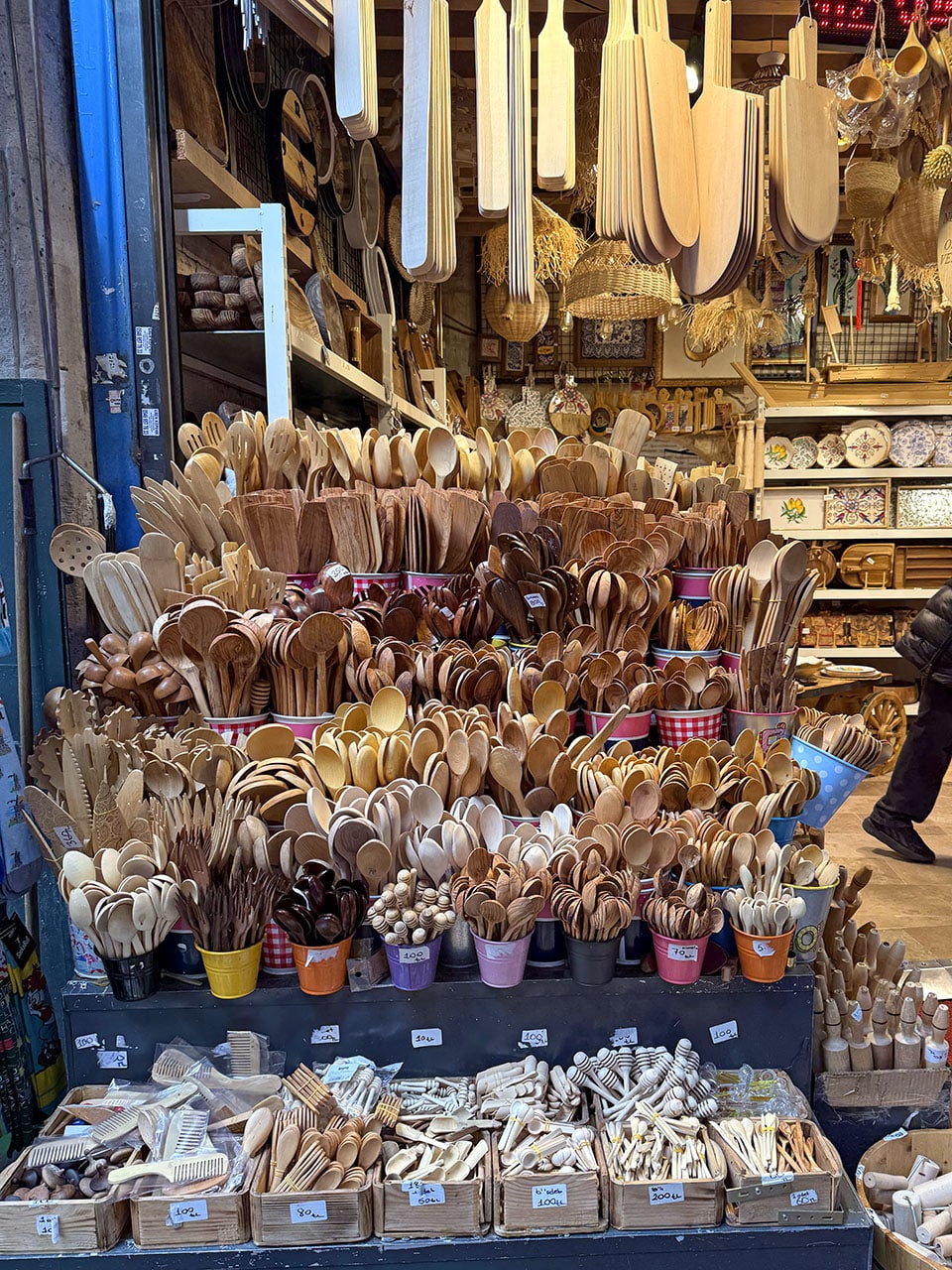
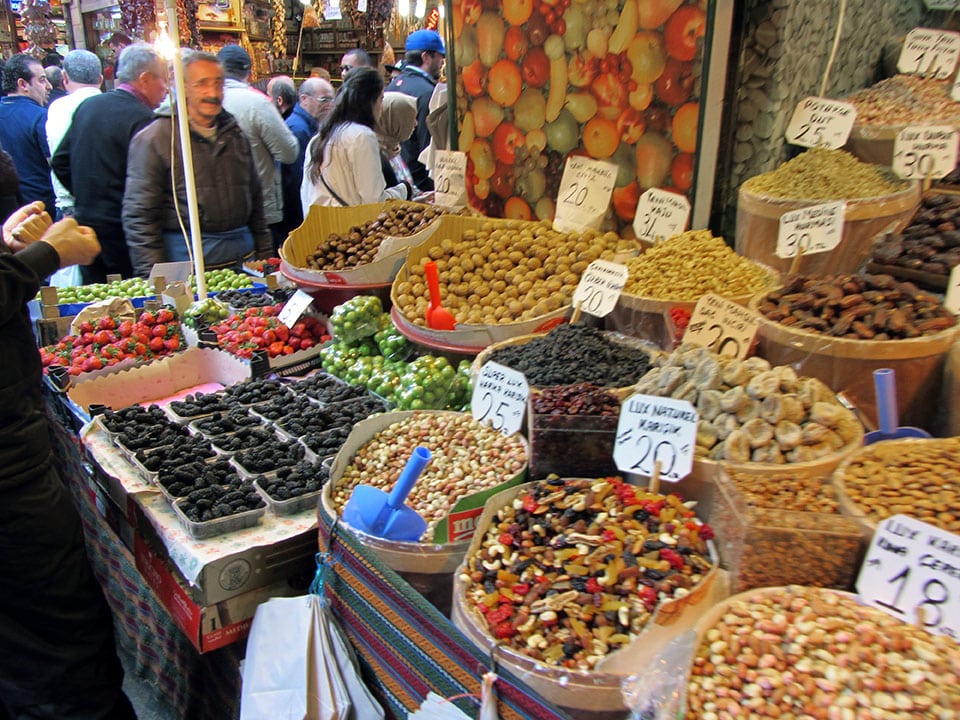
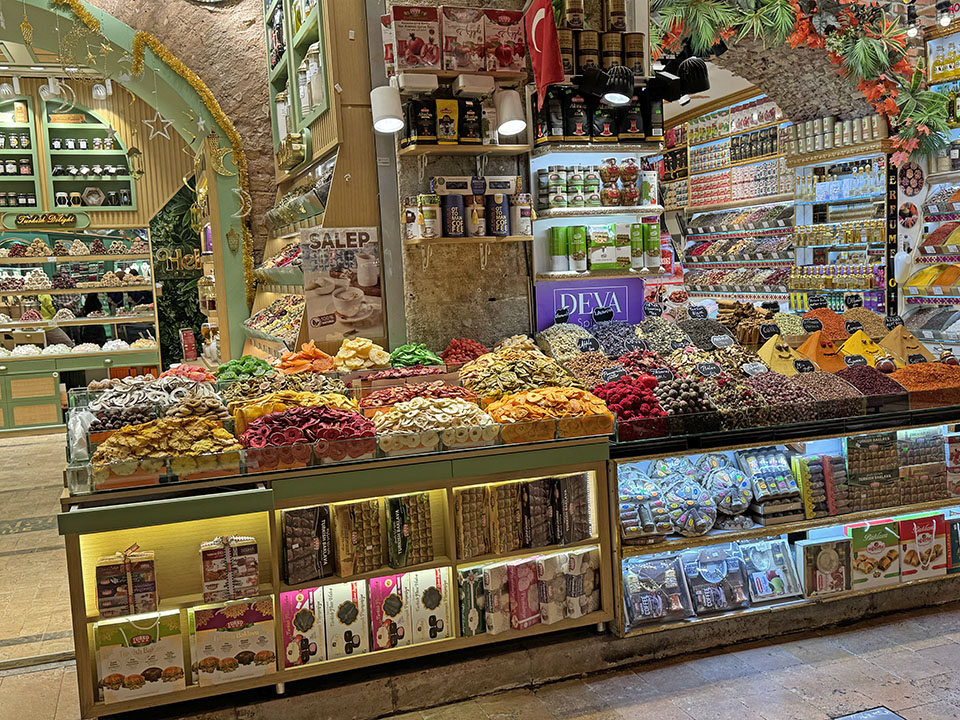
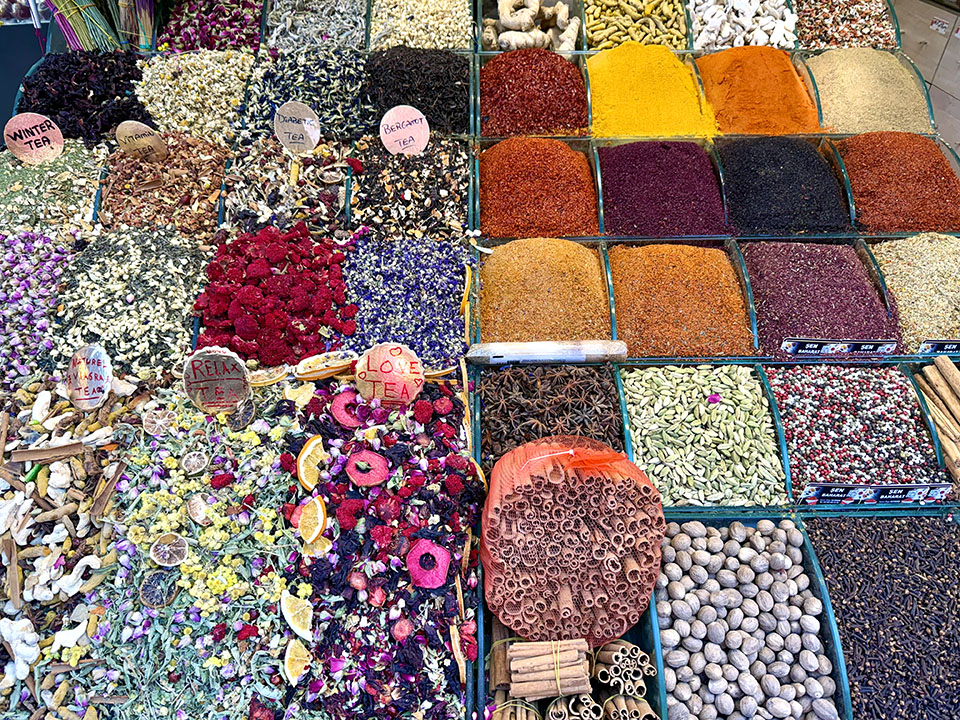
This in-depth structural overhaul left the vaulted brick arches (which we’d hardly noticed before) beautifully uniform, clean, and brightly lit, while scraping away centuries of soot and plaster to reveal original 17th-century Ottoman masonry and hidden calligraphic inscriptions.
Remarkably, to protect the livelihoods of the local shopkeepers, this entire transformation took place only at night, with crews assembling massive scaffolding systems every evening after closing and completely dismantling them before the doors reopened to the public each morning, during the five-year remodeling project.
The refurbished mall is beautiful, with mirrored walls and bright lighting, and looks almost like a modern super-mall. But honestly, it’s missing some of its old patina and charm, and we were so glad to have visited it in its heyday.
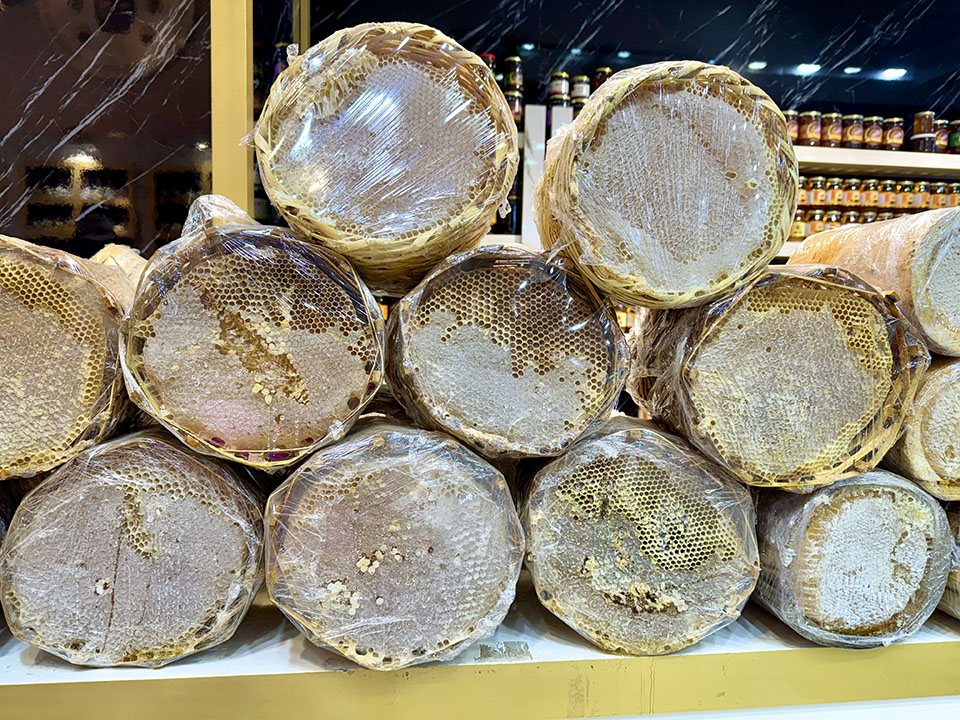
We were fascinated by these Turkish Karakovan honeycombs in the spice market. Made using a traditional beekeeping method in which bees build their combs naturally inside hollowed-out tree logs or woven baskets, without artificial wax foundations. They harvest the honeycombs whole and sell them in their original casings, wrapped in clear plastic to keep them clean and prevent leaks. We wanted to buy some, but we’re afraid it might leak in our luggage on the way home!
Of course, we had to buy a couple of new Turkish towels (100% cotton, very thin and absorbent, Turkish towels are fantastic on boats because they don’t take a lot of room and dry so quickly). We also bought some vibrantly colored fruit teas that tasted and smelled delicious. But after a couple of months at home, we noticed their vibrant color hadn’t faded at all…After some online research, it appears most of the colorful fruit teas sold at the Egyptian Spice Bazaar now contain artificial coloring and flavoring. Yikes! We ditched those right away. No Doubt, the old-time spice traders would’ve been appalled.
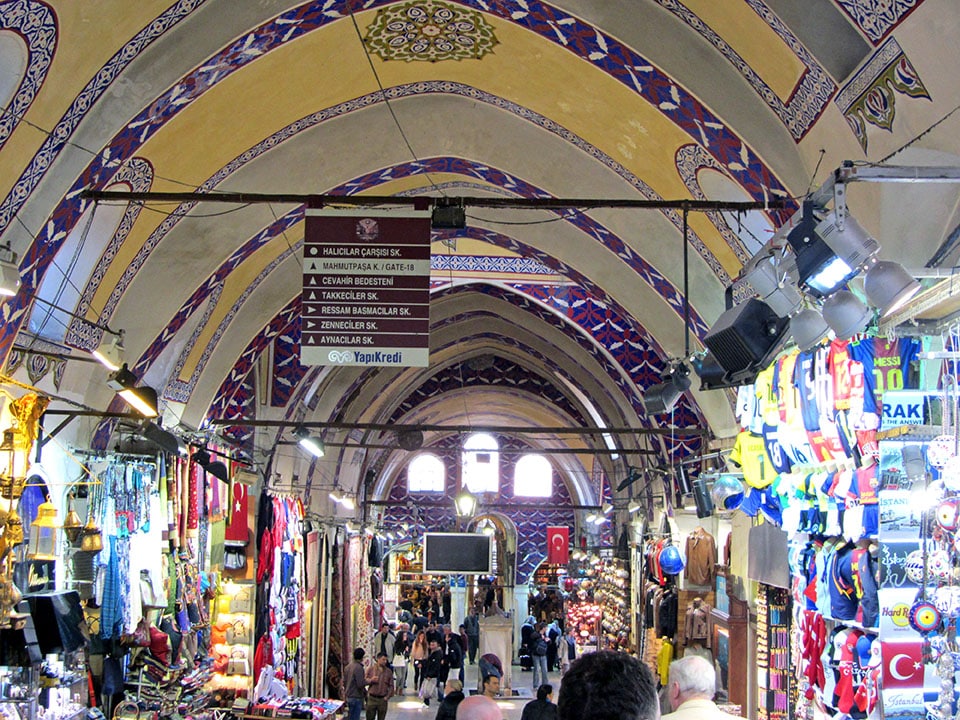
The Grand Bazaar, from our 2013 visit. Notice how small the people look in this massive market compared to the more intimate Spice Bazaar.
Sidebar: The Egyptian Spice Bazaar is entirely different from the Grand Bazaar, which we didn’t visit on this trip but did in 2013. The famous Grand Bazaar was built in 1461, and has since grown into a sprawling maze of rabbit-warren passageways and bustling shops, with more than 60 streets and 4,000 vendors selling everything from gold and intricate jewelry to handwoven carpets, Turkish lamps, and colorful ceramics.
Nearly 600 years old, it remains a vibrant piece of Istanbul’s history, where the age-old traditions of trading and bargaining continue amid the crowds and colorful chaos. If you visit Istanbul, be sure to check it out.
New Mosque
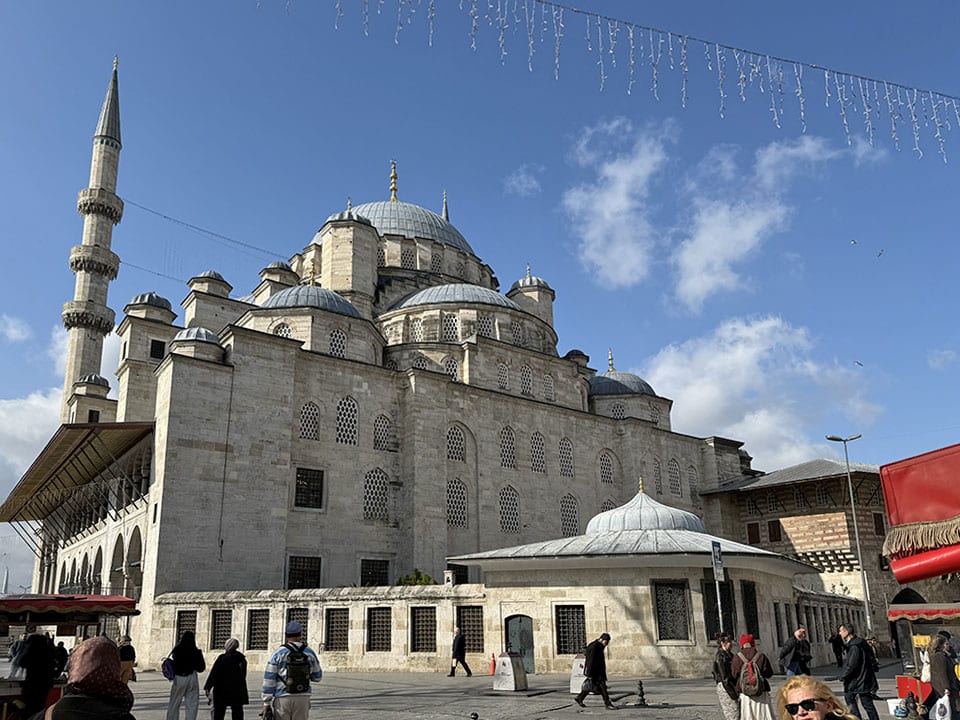
East of the Egyptian Spice Bazaar is the New Mosque (or Yeni Camii). The New Mosque is historically significant as the last grand imperial mosque of the classical Ottoman period. Architecturally, it borrowed heavily from other iconic mosques designed by imperial architect Mimar Sinan.
When it was built, it was the latest addition to (and ultimately the last of) Istanbul’s great imperial mosques. The name “New Mosque” has stuck through the centuries, even though the mosque is now more than 350 years old.
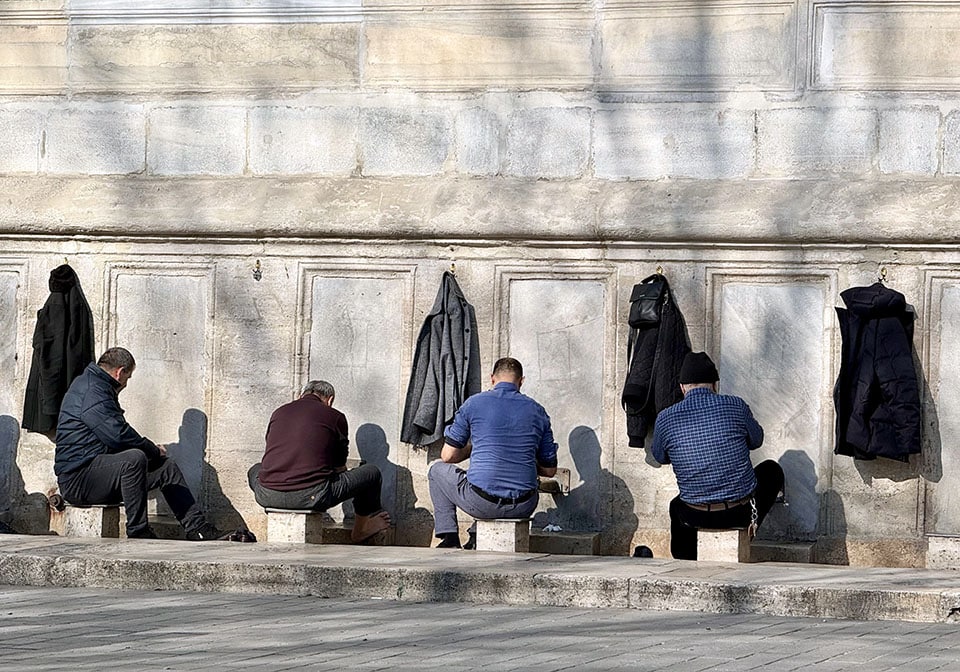
The mosque features an outdoor washing station built into its outer marble walls, where worshippers perform ritual ablutions (wudu) before prayer.
Construction finally wrapped up in 1663 after a remarkably long and troubled history. Political instability, financial difficulties, the death of a Sultan, and a devastating Istanbul fire in 1660 all contributed to the delays, leaving the site abandoned and in ruins for nearly 70 years before it was finished.
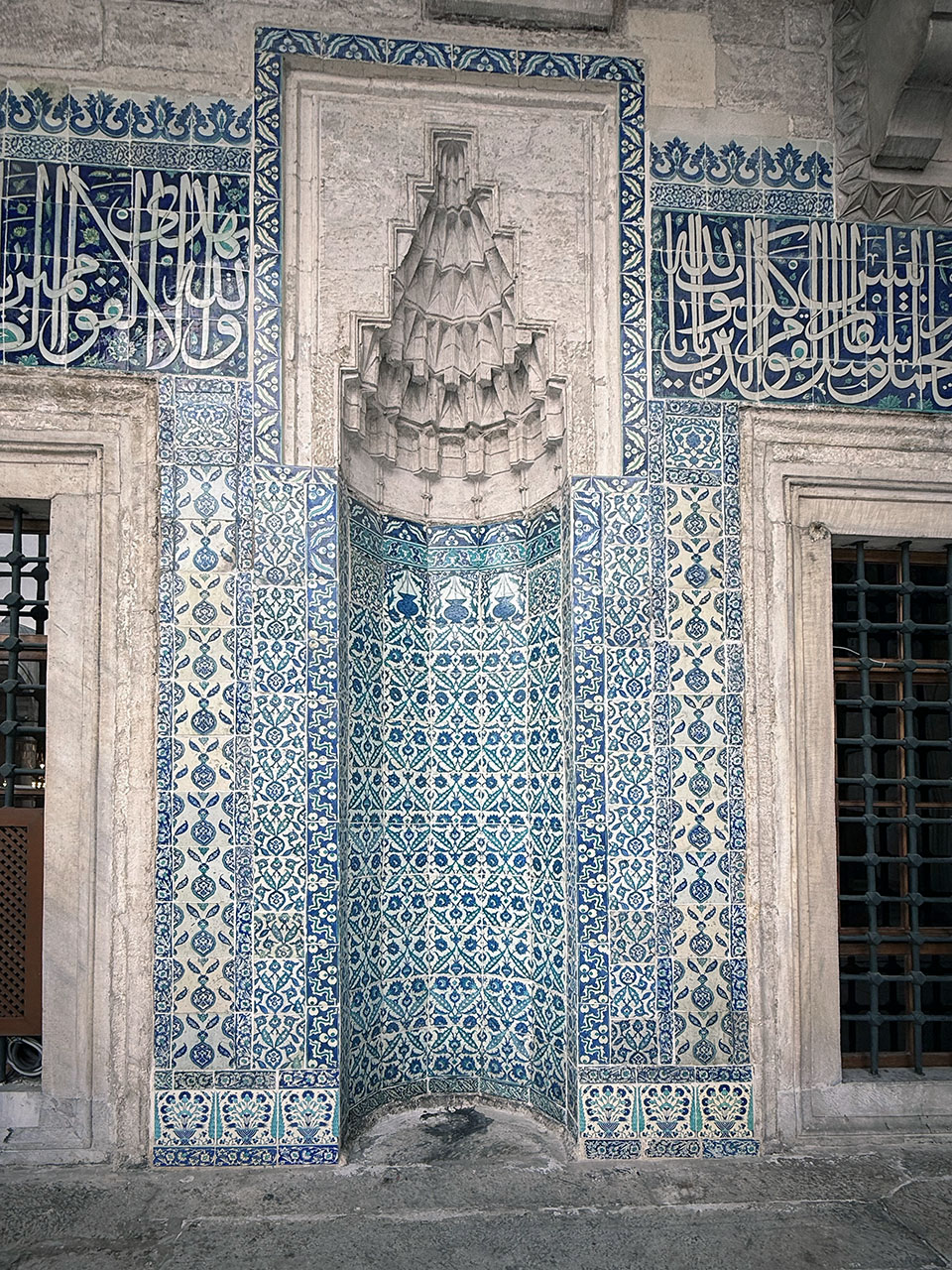
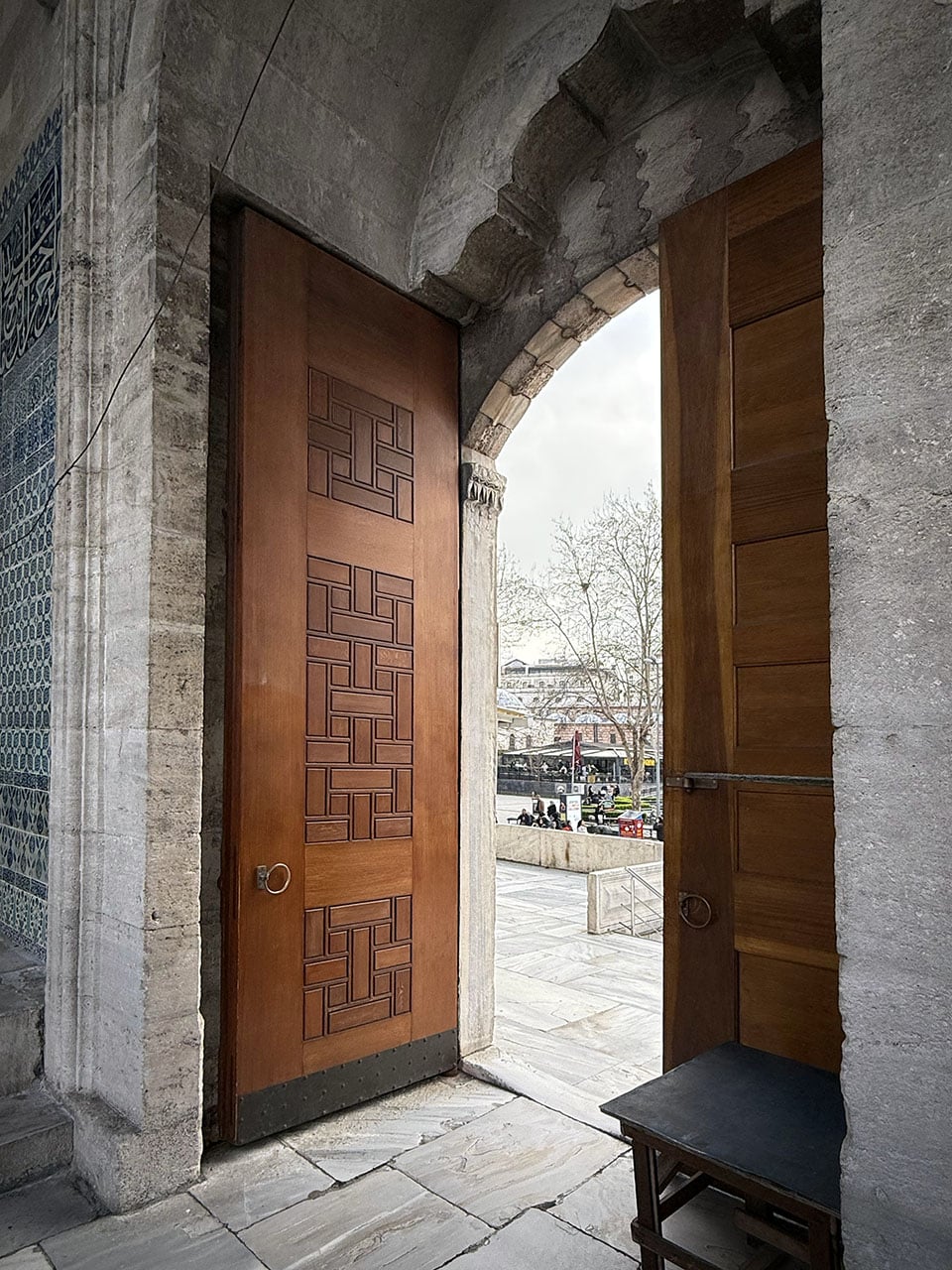
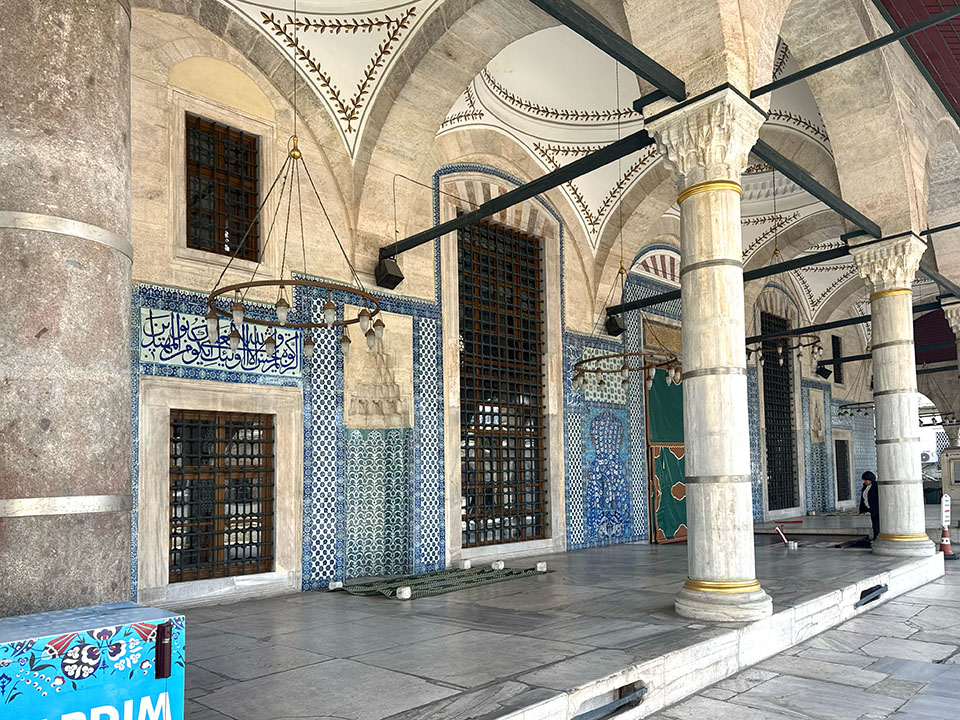
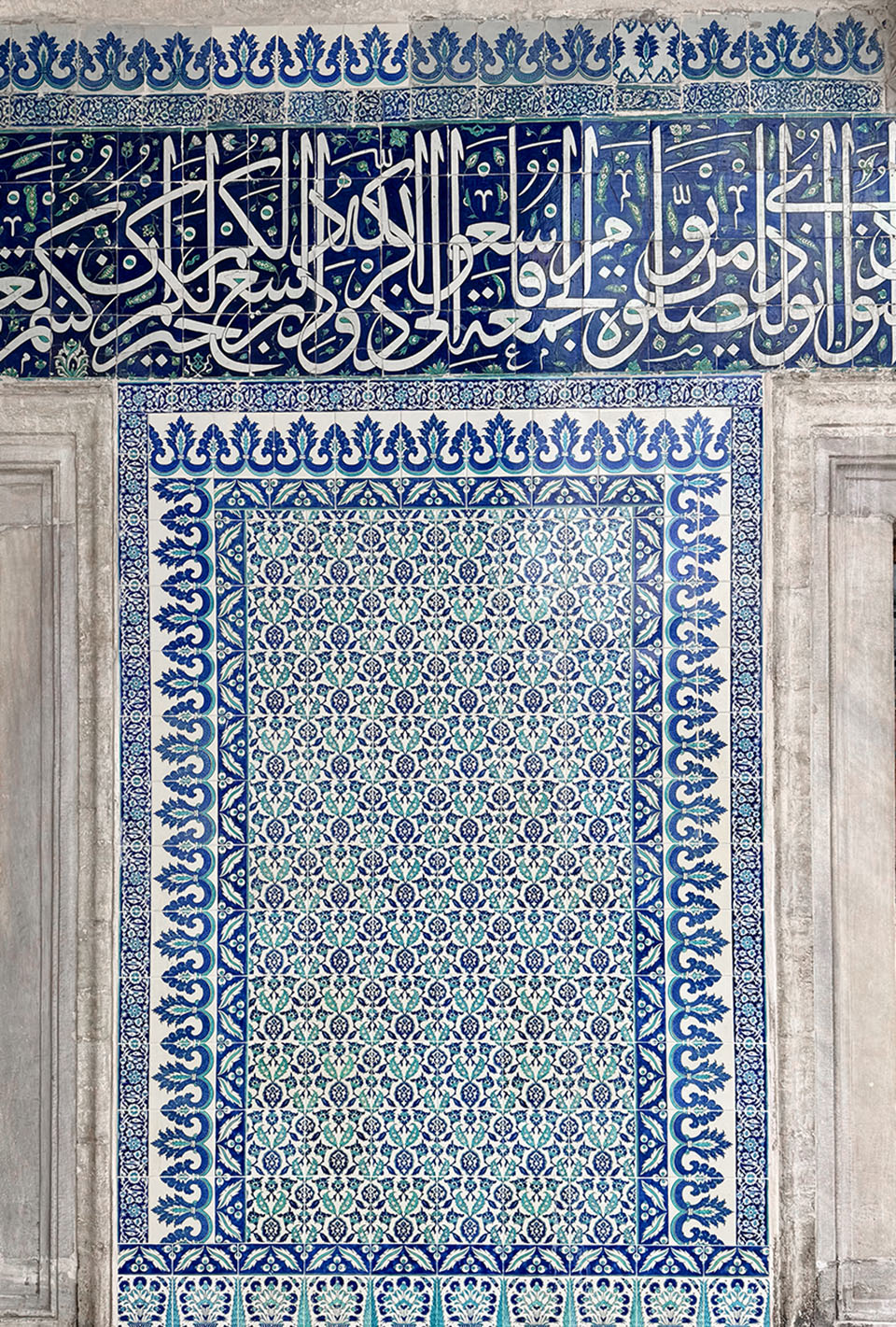
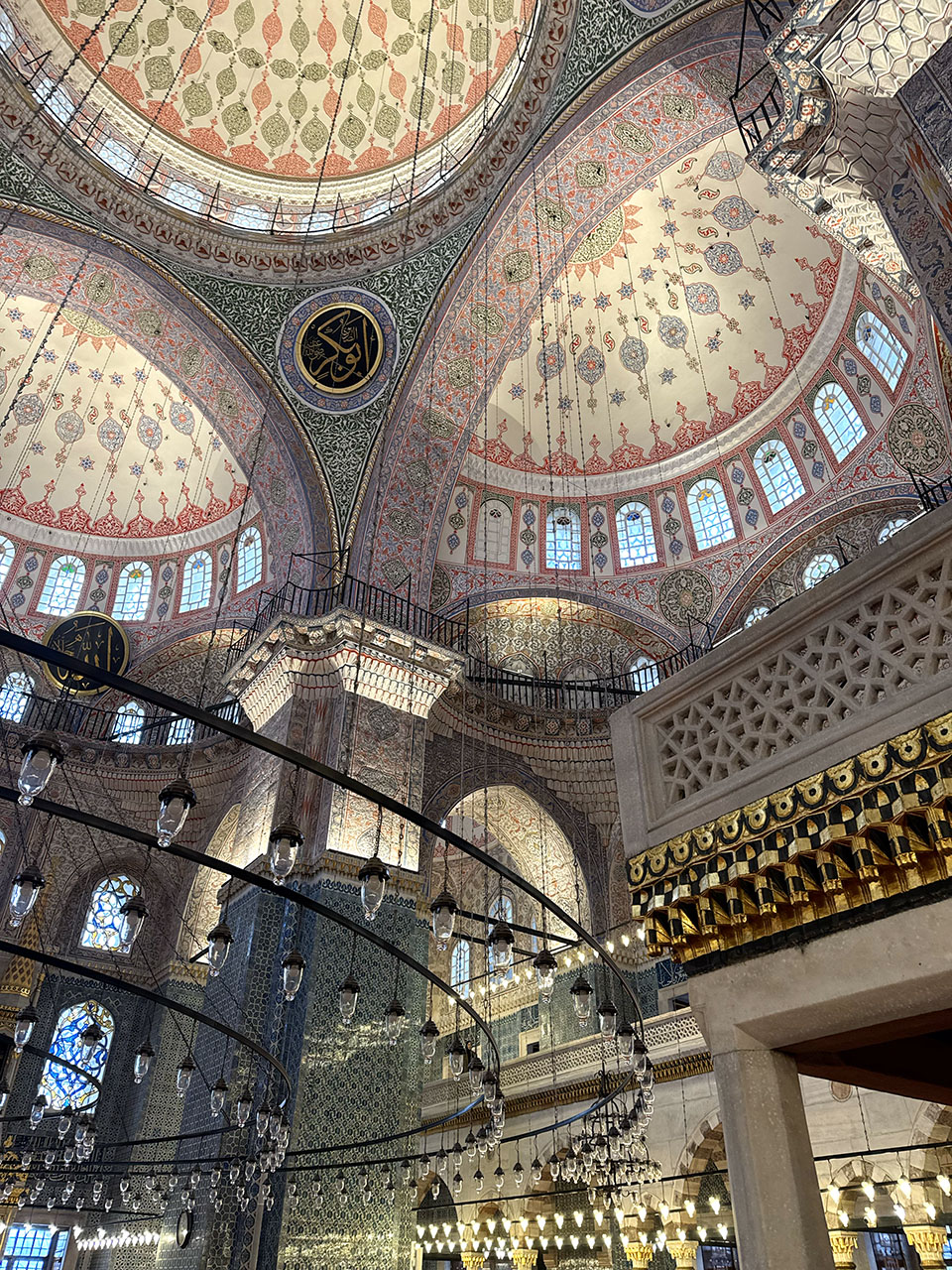
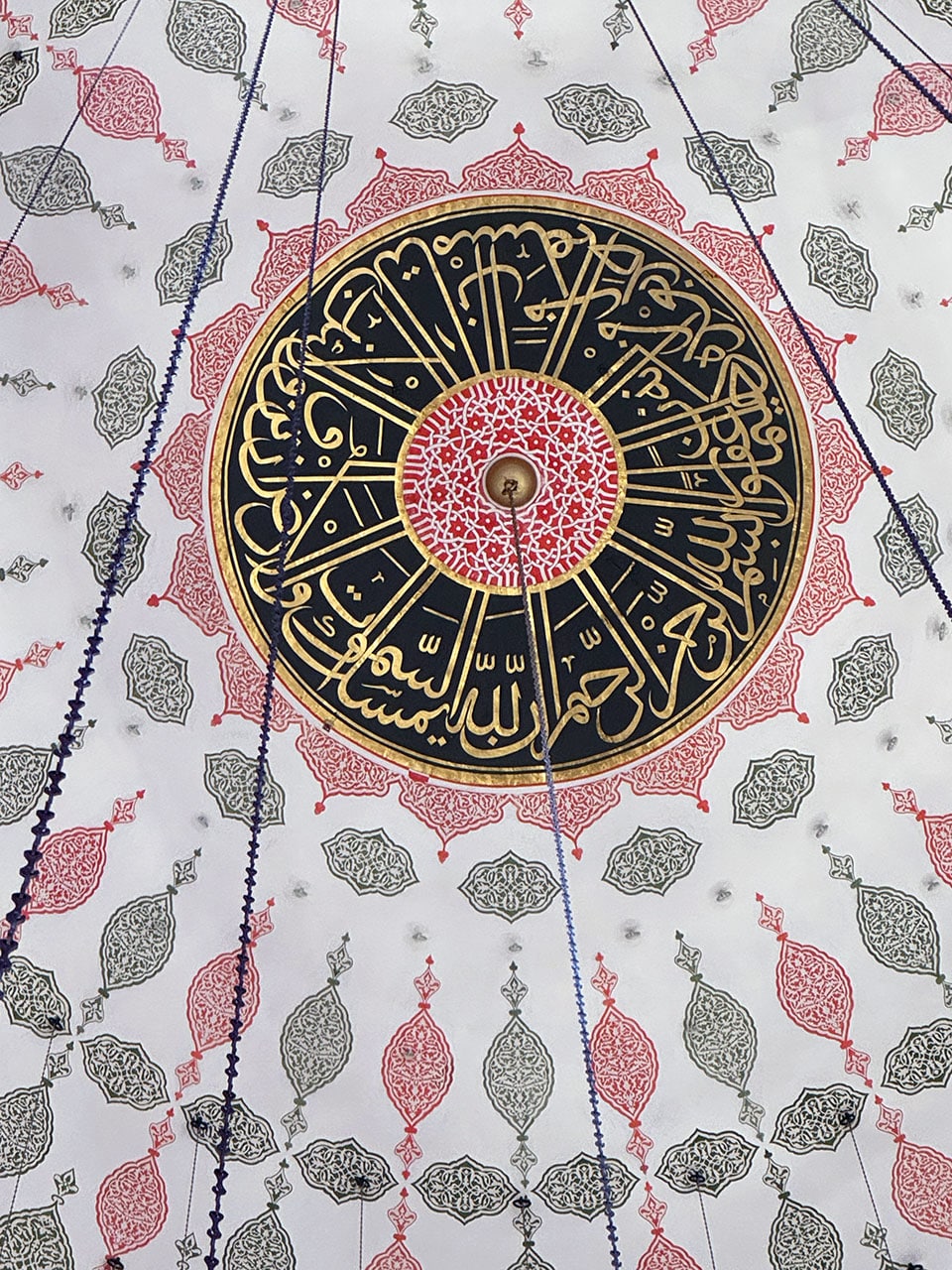
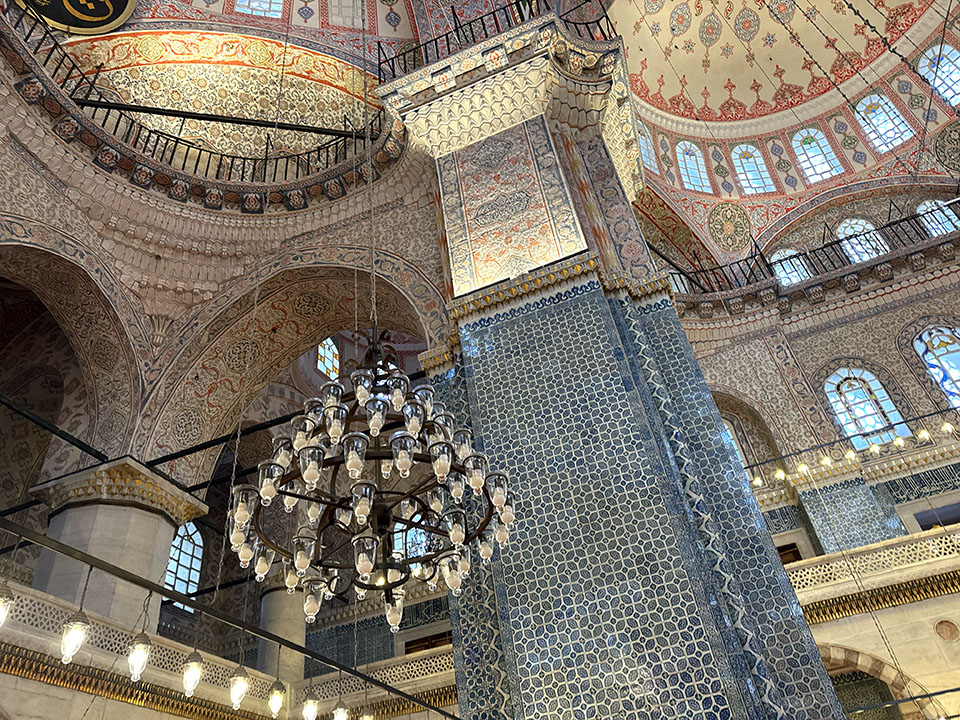
Its distinctive interior features a cascading series of hand-painted semi-domes, intricate blue-and-turquoise Iznik tilework lining the pillars, large circular calligraphic medallions, and sprawling, low-hanging ring chandeliers.
Galata Bridge
The Galata Bridge has connected Istanbul’s historic old city with the livelier Karaköy and Galata neighborhoods for centuries. The current bridge, completed in 1994, is actually the fifth to stand here, following several earlier versions, including a floating pontoon bridge that caught fire in 1992.
Interestingly, Sultan Bayezid II originally envisioned a bridge across the Golden Horn and famously requested a blueprint from Leonardo da Vinci in 1502. Da Vinci proposed an incredibly advanced single-span bridge, but it was deemed structurally impossible at the time.
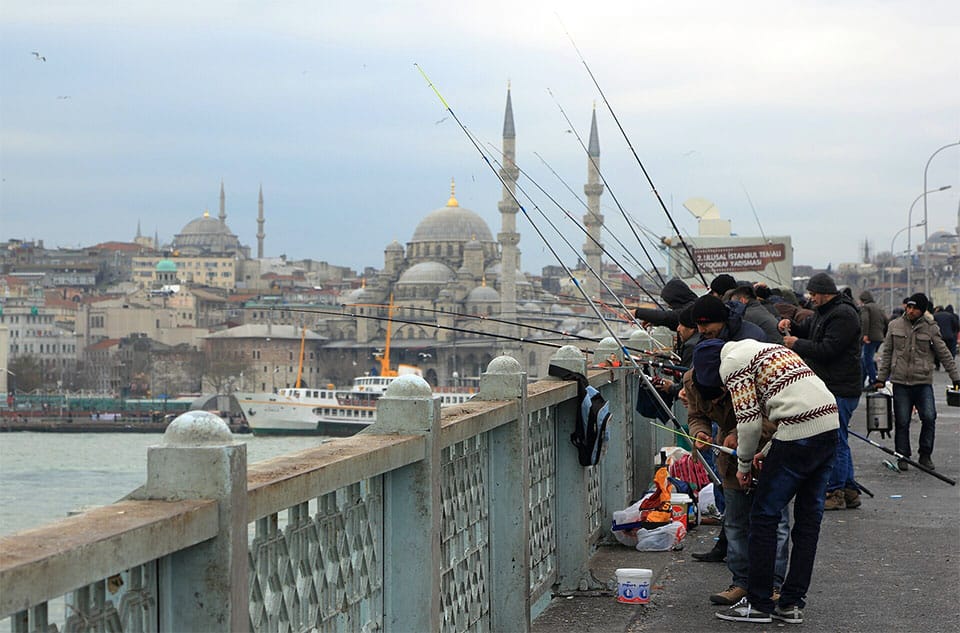
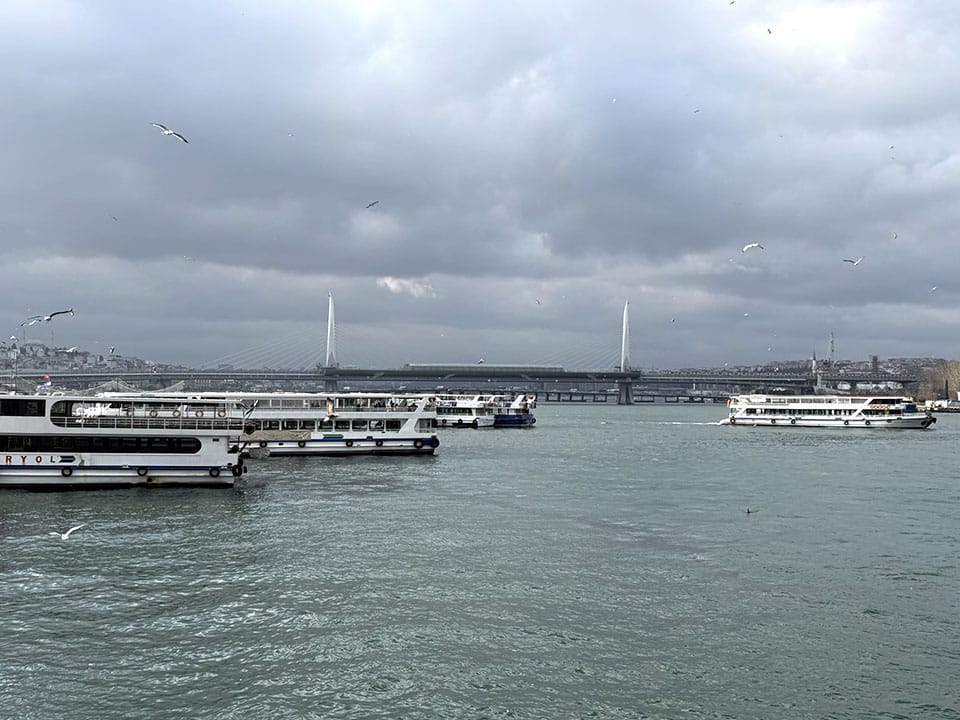
One of the bridge’s most iconic sights is the endless line of local fishermen perched along the upper railings, casting their lines into the Golden Horn, mostly catching sardines and mackerel for their own family meals.
The waterfront is always busy. Fish markets, vendors grilling fresh fish, and plenty of fishy smells in the air! Seagulls circle overhead, hoping someone will toss them a snack, while ferries constantly come and go across the busy waterway.
At the Eminönü waterfront, you’ll also find brightly decorated boats bobbing alongside the docks. With their ornate Ottoman-style designs, they’re hard to miss. These boats serve balik ekmek, Istanbul’s famous grilled fish sandwiches, made with fresh fish tucked into bread with onions and salad. The tradition began when fishermen grilled their catches on their boats and sold sandwiches to hungry commuters. Today, the boats remain a popular stop for locals and tourists alike.
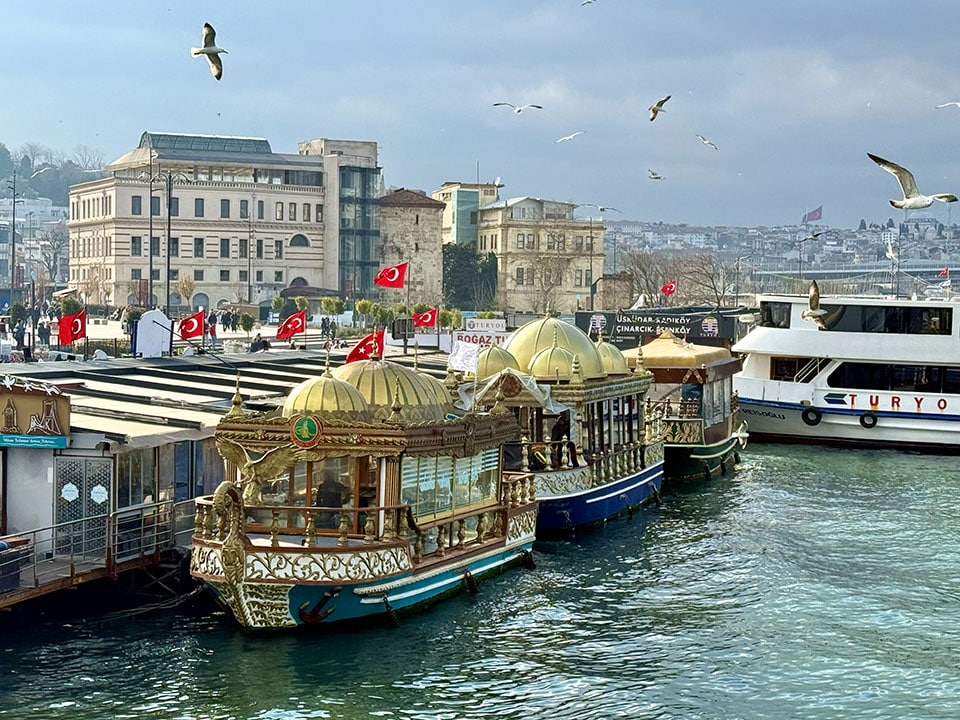
The lower level of the bridge is lined with seafood restaurants, where waiters are more than happy to invite you inside. Between fishermen casting their lines, fishmongers, the smell of grilled fish, gulls squawking overhead, and the constant parade of ferries, the Galata Bridge is not to be missed! It’s a great place to get a feel for everyday life in Istanbul.
Istanbul Architecture
Vlora Han Art Nouveau Building
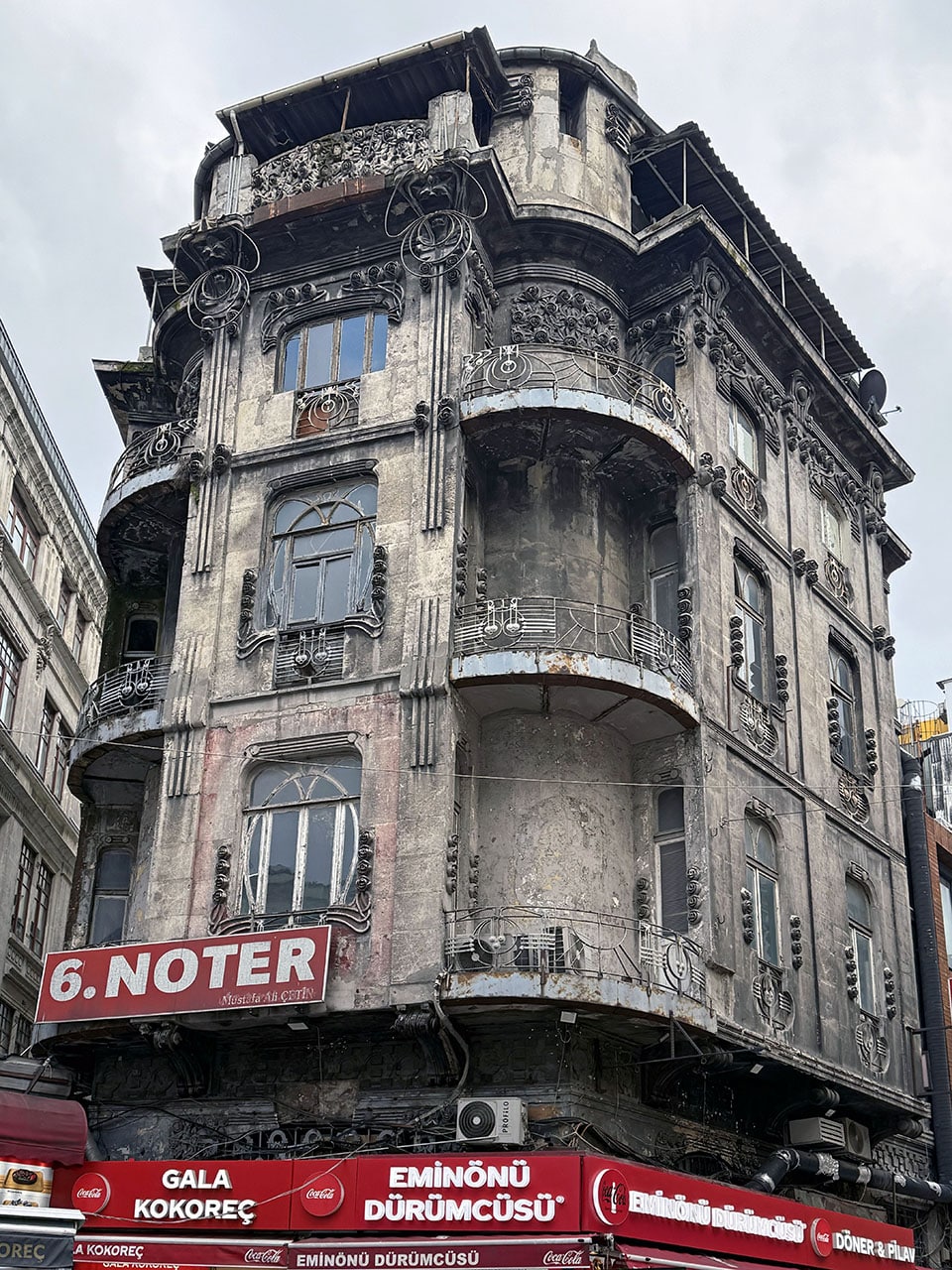
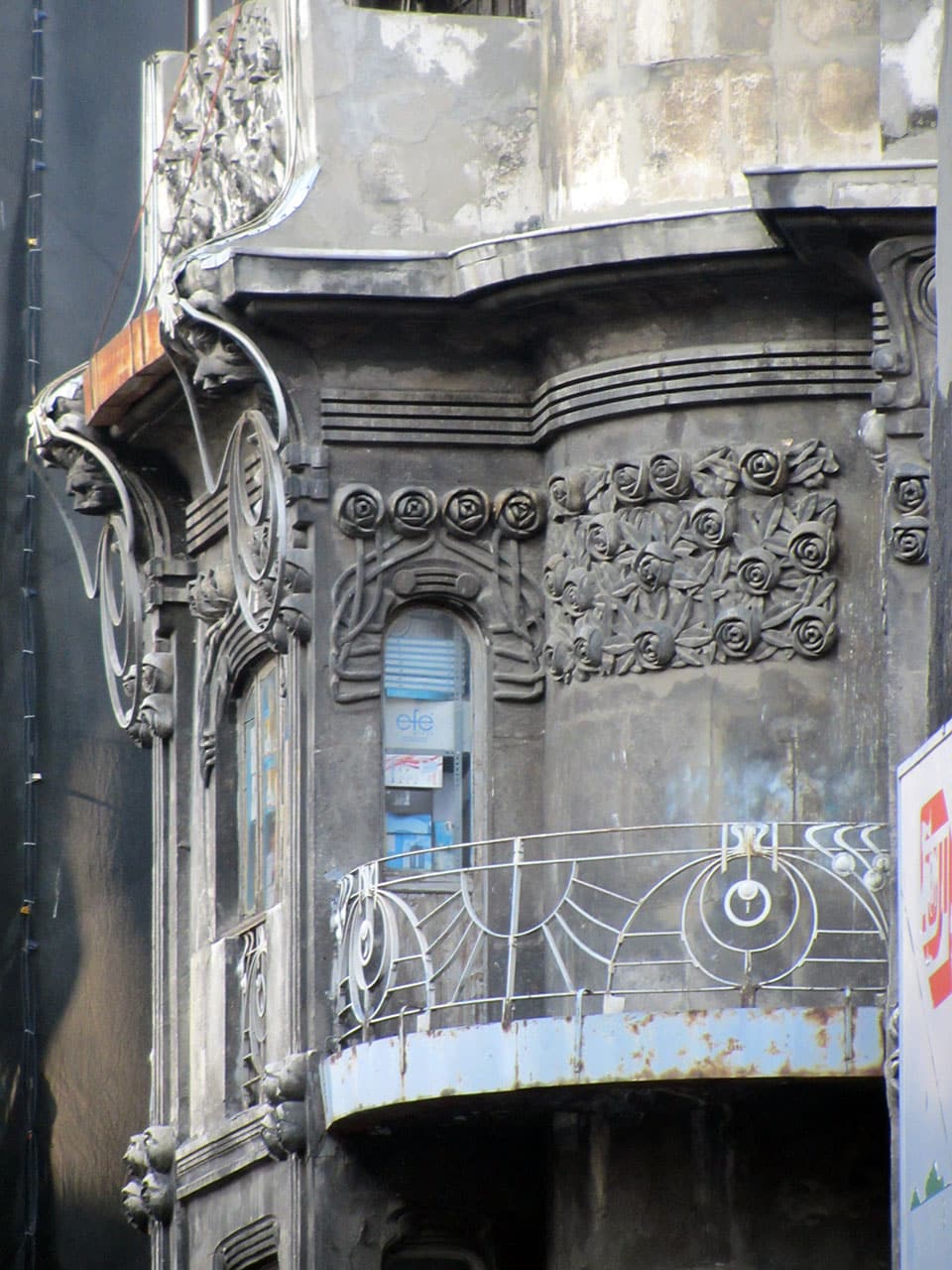
Vlora Han (also known as Flora Han) is a beautiful old Art Nouveau building tucked into the Eminönü neighborhood. Designed around 1903 by Italian-Levantine architect Giulio Mongeri, it’s an architectural gem in Istanbul’s historic old city. We loved its curved corner balconies, flowing stone details, and decorative ironwork. Sadly, the building has seen better days, with decades of grime and neglect taking their toll, but it still has plenty of character. Some of the lower floors and offices are still in use.
Turşucuzade Ahmet Muhtar Efendi Konağı
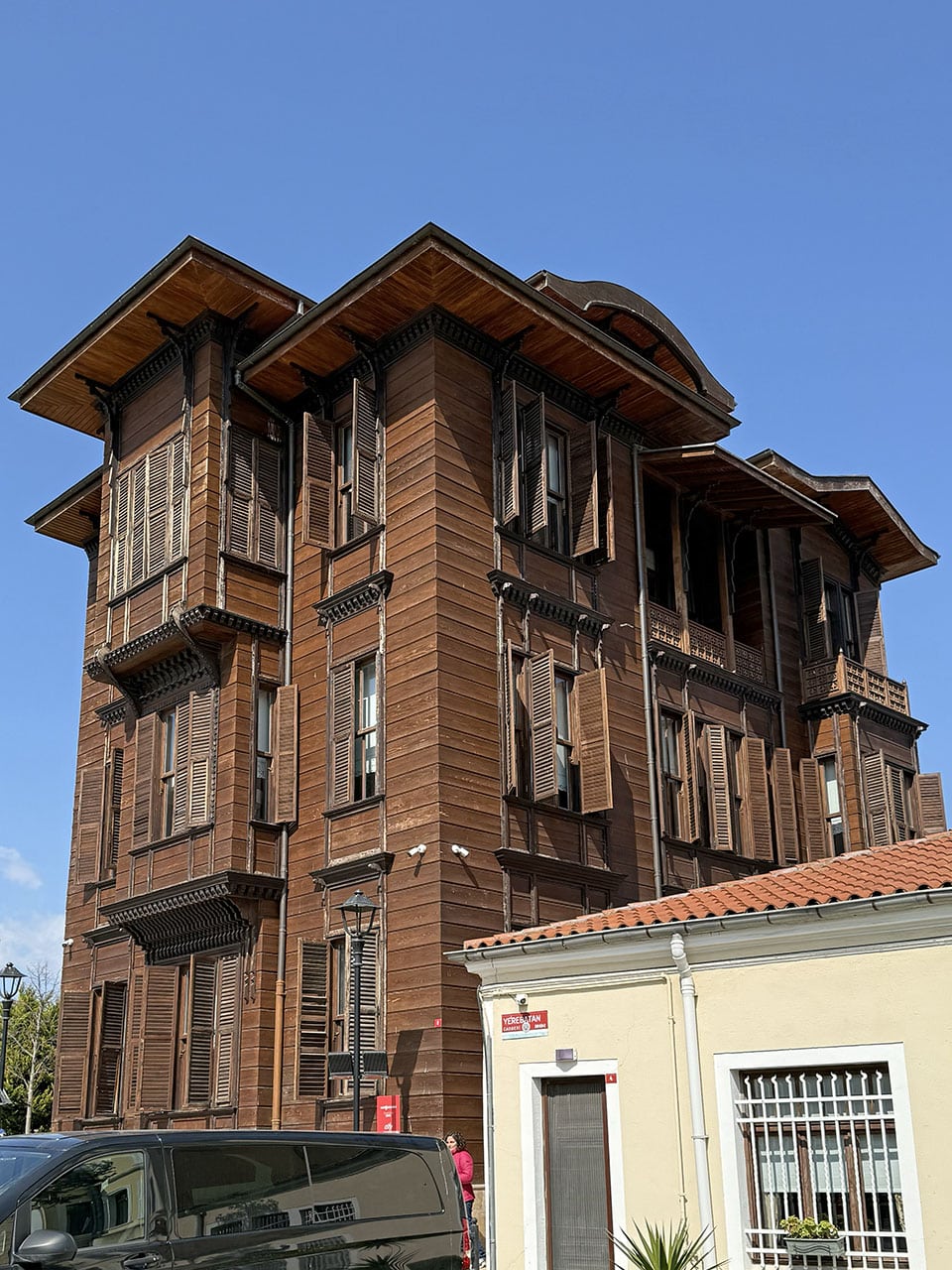
Near the Basilica Cistern and Hagia Sophia, the Turşucuzade Ahmet Muhtar Efendi Konağı (pronounced “Toor-shoo-joo-zah-deh Ah-met Mookh-tar Ef-en-dee Koh-nah-uh”) is a beautiful example of traditional Ottoman wooden architecture, with distinctive overhanging bay windows. The name Turşucuzade translates roughly to “son of the pickle-maker,” a nod to the family’s merchant roots.
Originally built in the 19th century by merchants, it was demolished in the 1990s after becoming a vacant eyesore. It was rebuilt in concrete, but the structure clashed with the vibe of the historic Sultanahmet neighborhood, so in 2021 the city stepped in and restored the mansion to its original wooden character. Today, it serves as a tourist information office, offering a glimpse of the wooden homes that once lined Istanbul’s streets
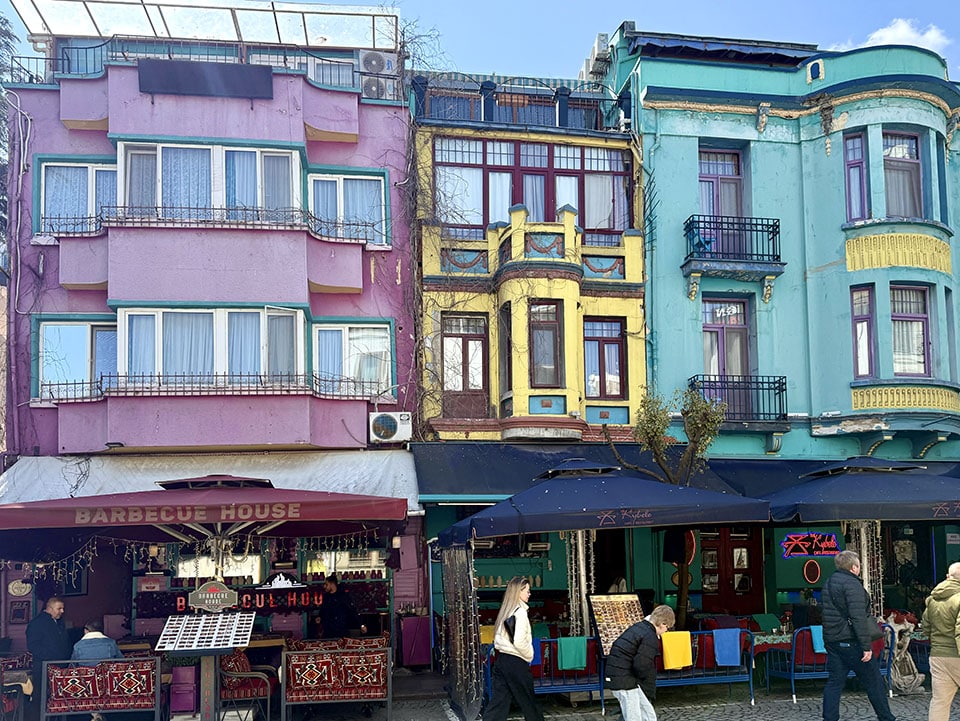
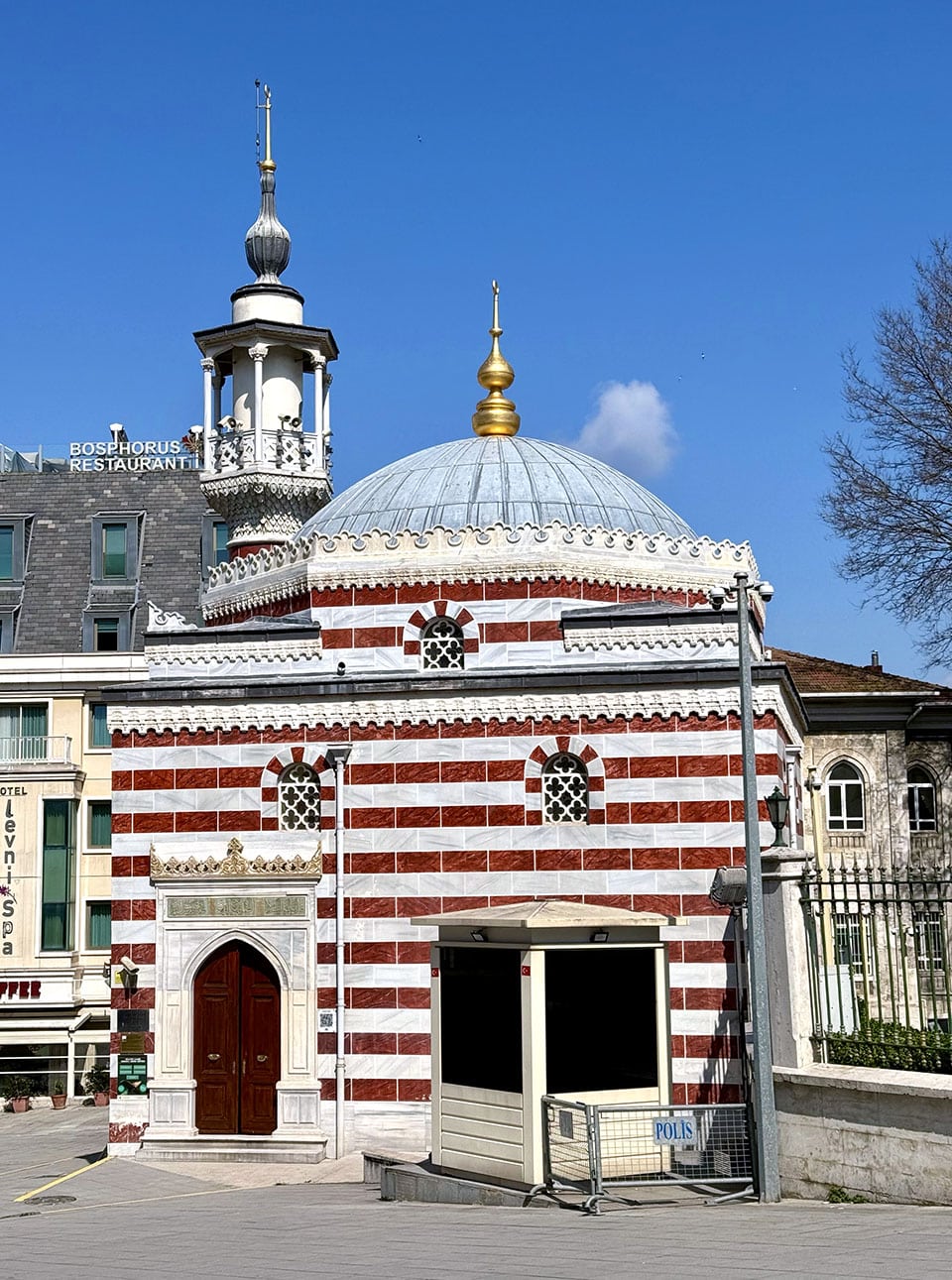
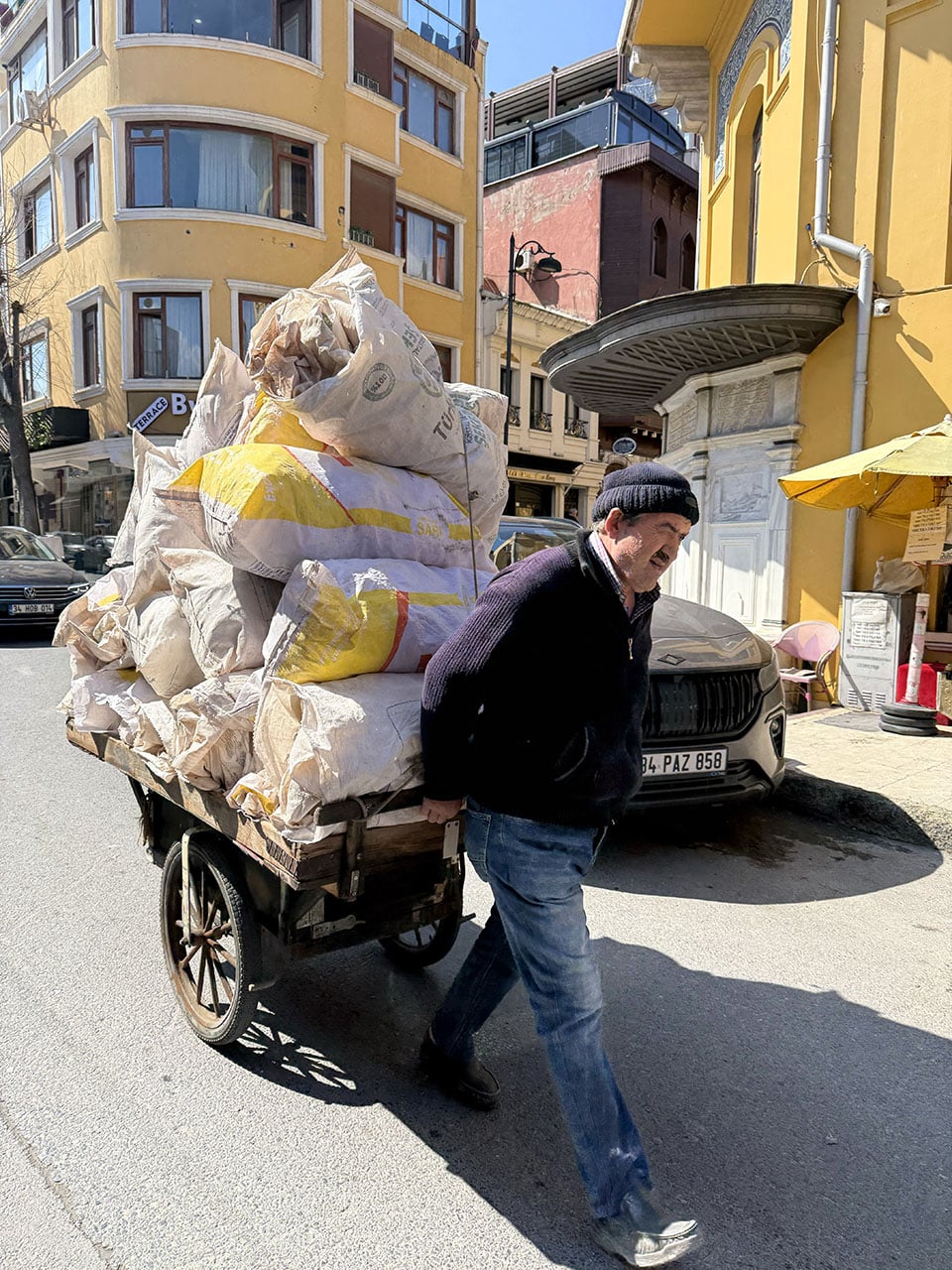
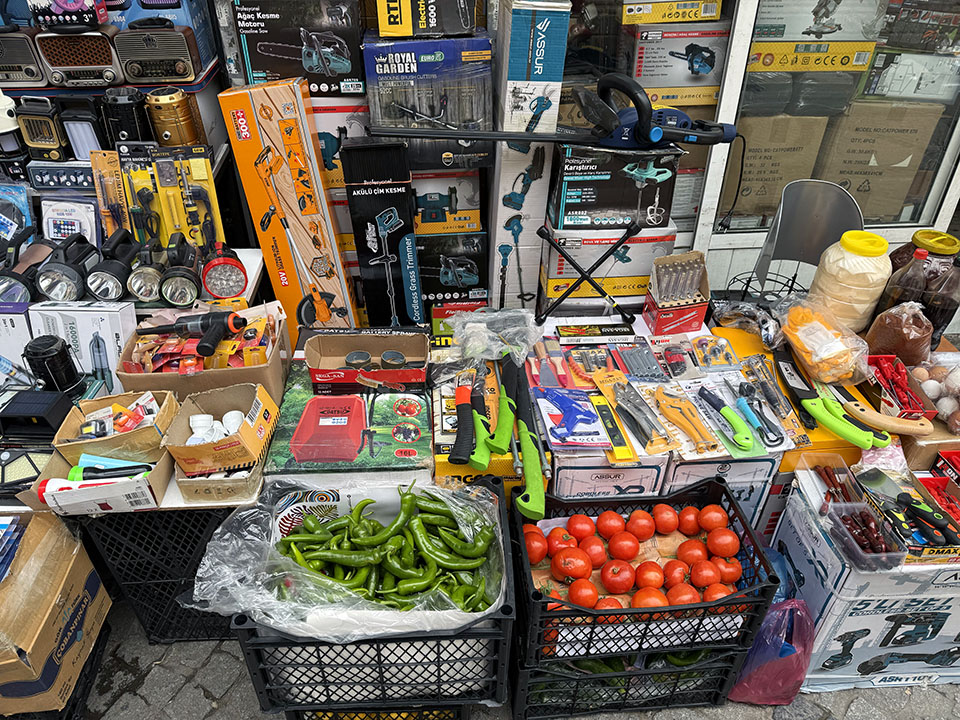
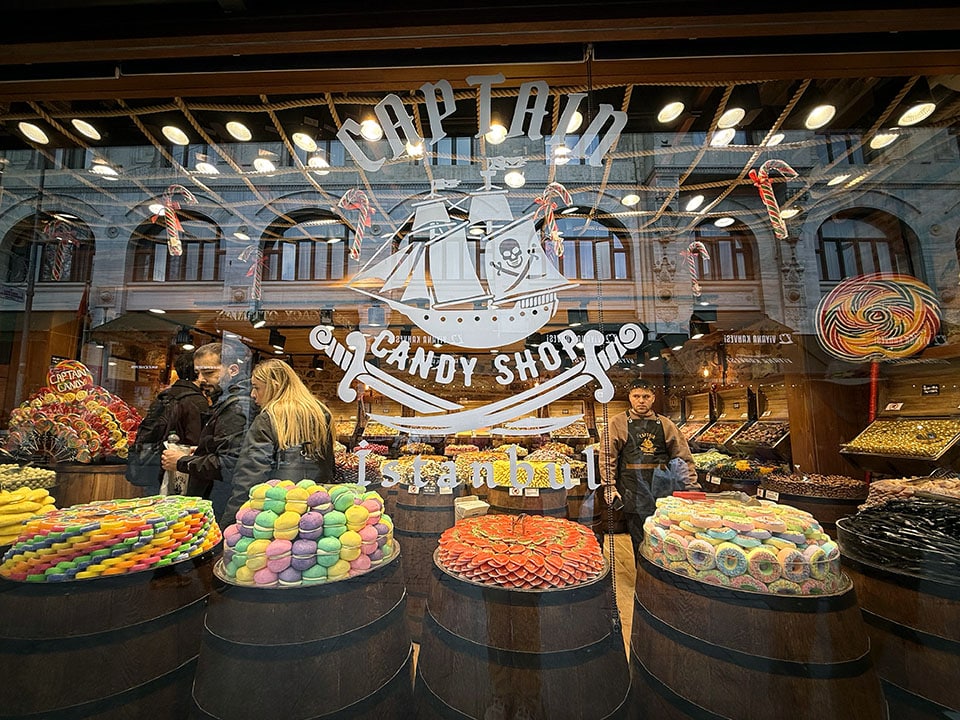
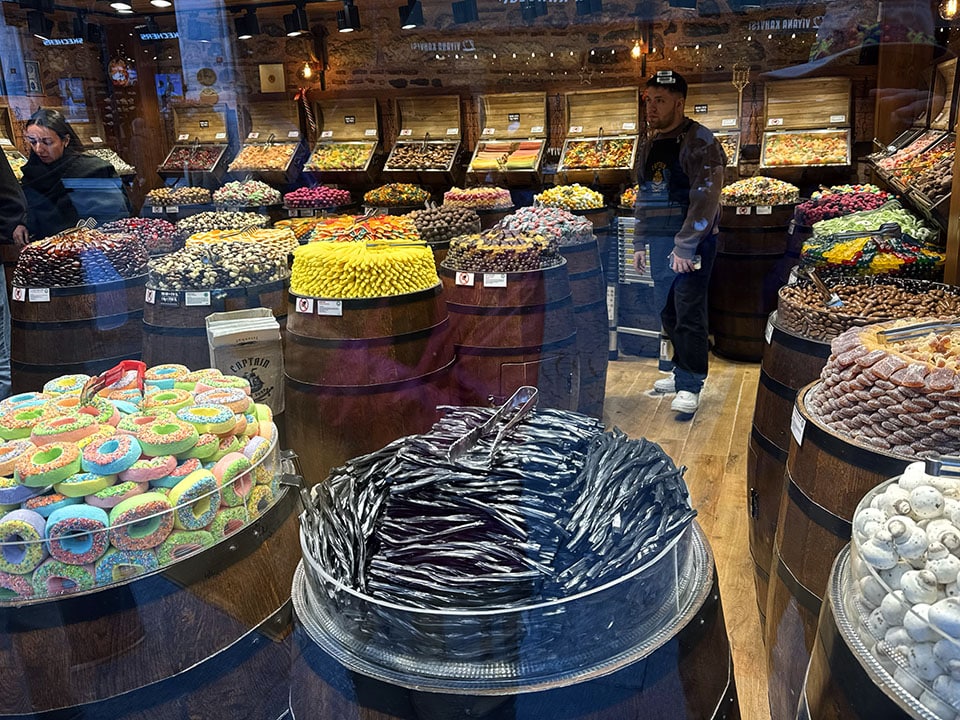
Wandering back through the Fatih neighborhood, we passed interesting buildings, old and new, and many fun shops, like the “hardware & produce shop”, the Captain’s Candy Shop…and so many CATS!
Cats of Istanbul
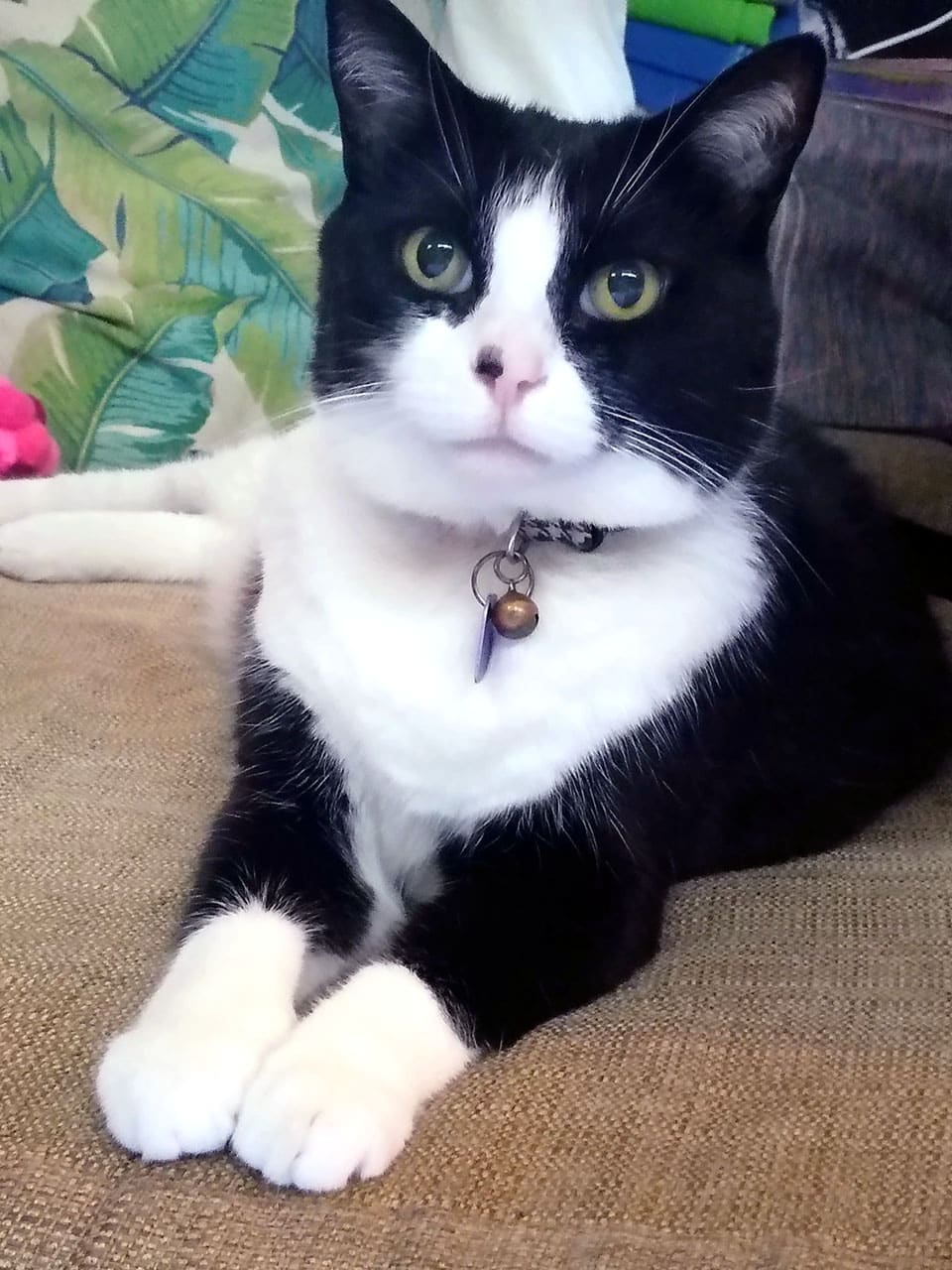
As cat people, one of the things we LOVE most about Istanbul is its cats! They are everywhere, lounging on sidewalks, wandering through markets, napping outside shops, and even making themselves at home in restaurants and historic sites. Cats have been part of Istanbul’s culture for thousands of years and are especially revered in Islamic tradition, where they are considered clean animals and are treated with kindness and respect.
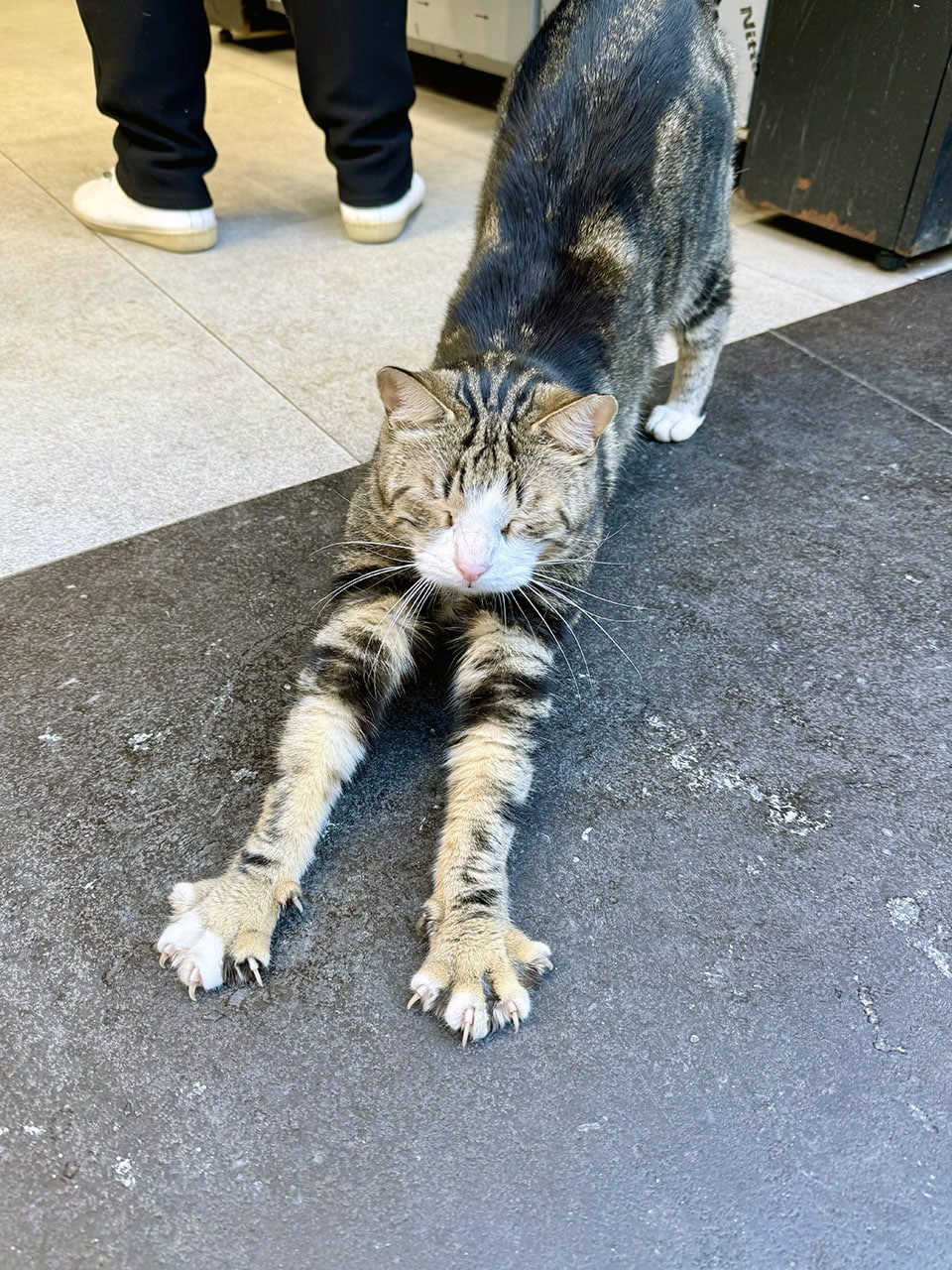
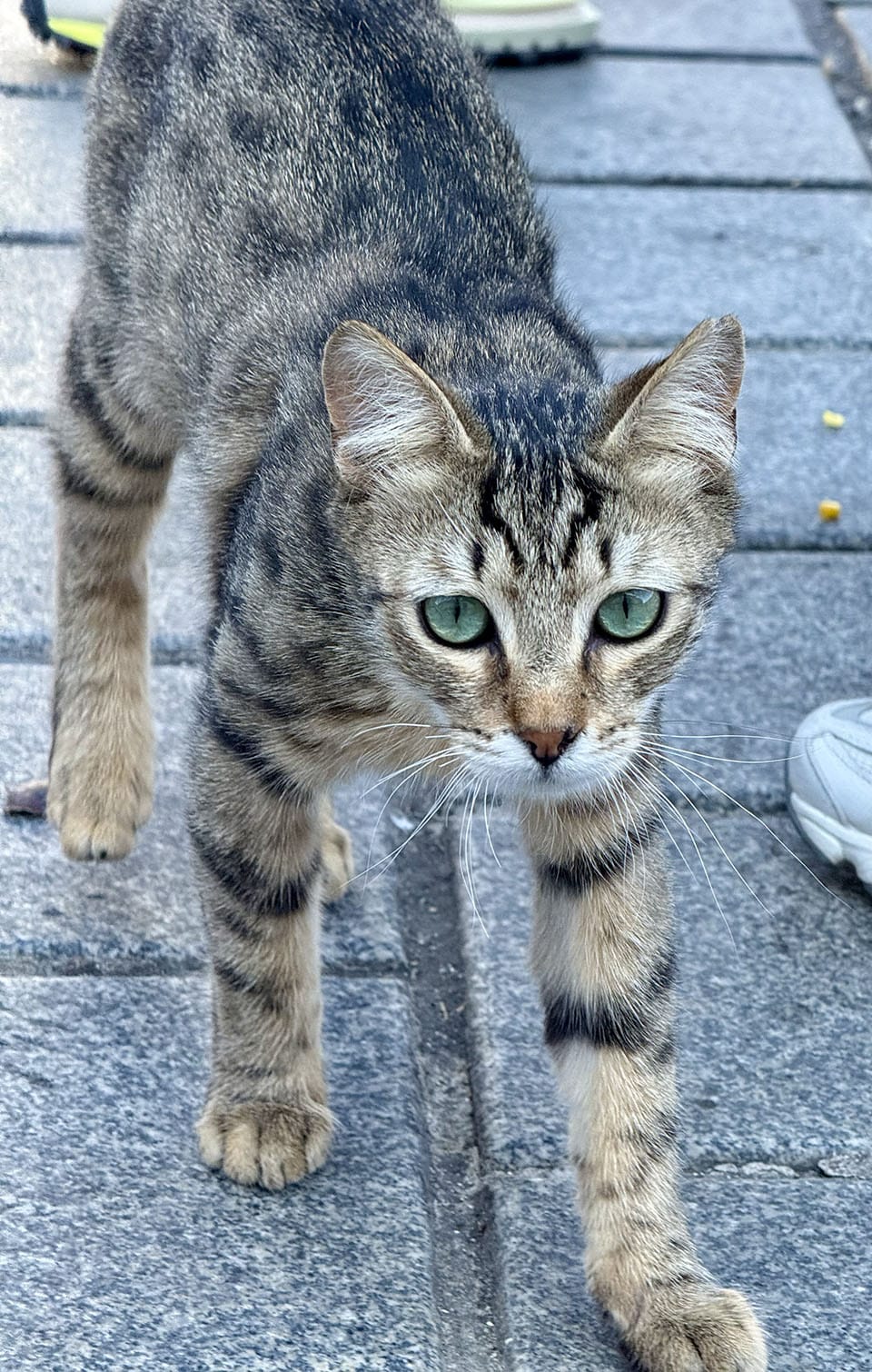
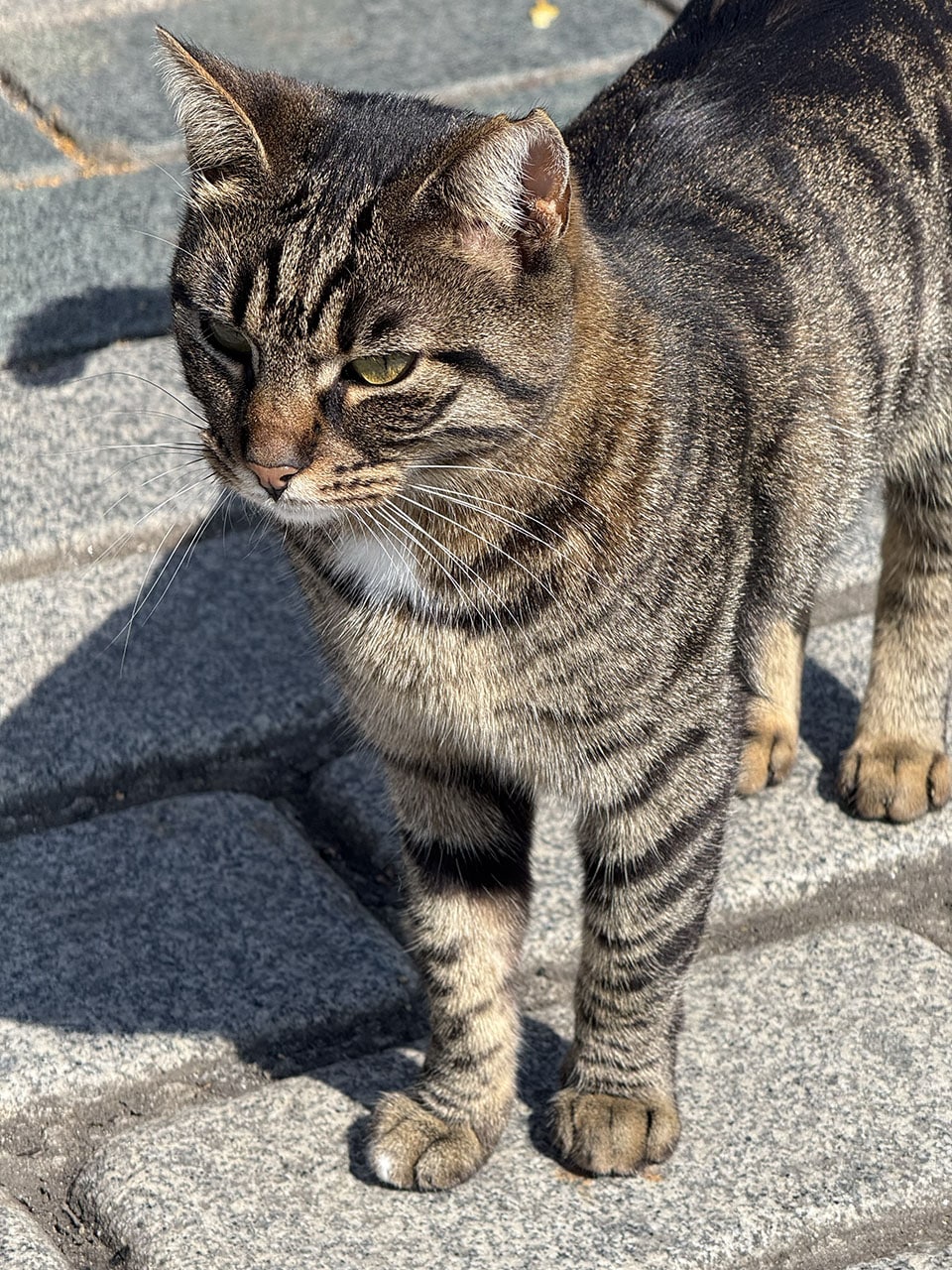
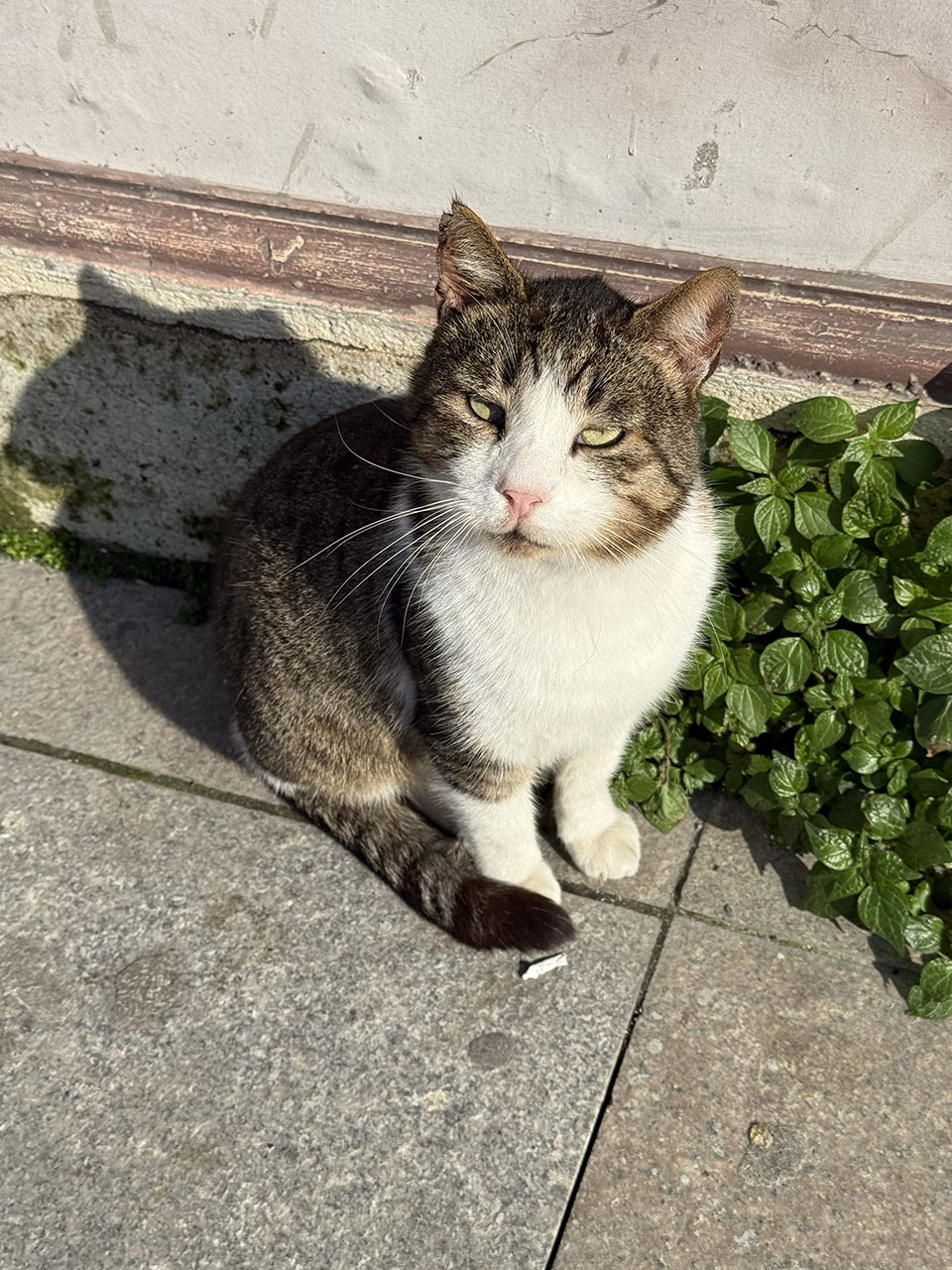
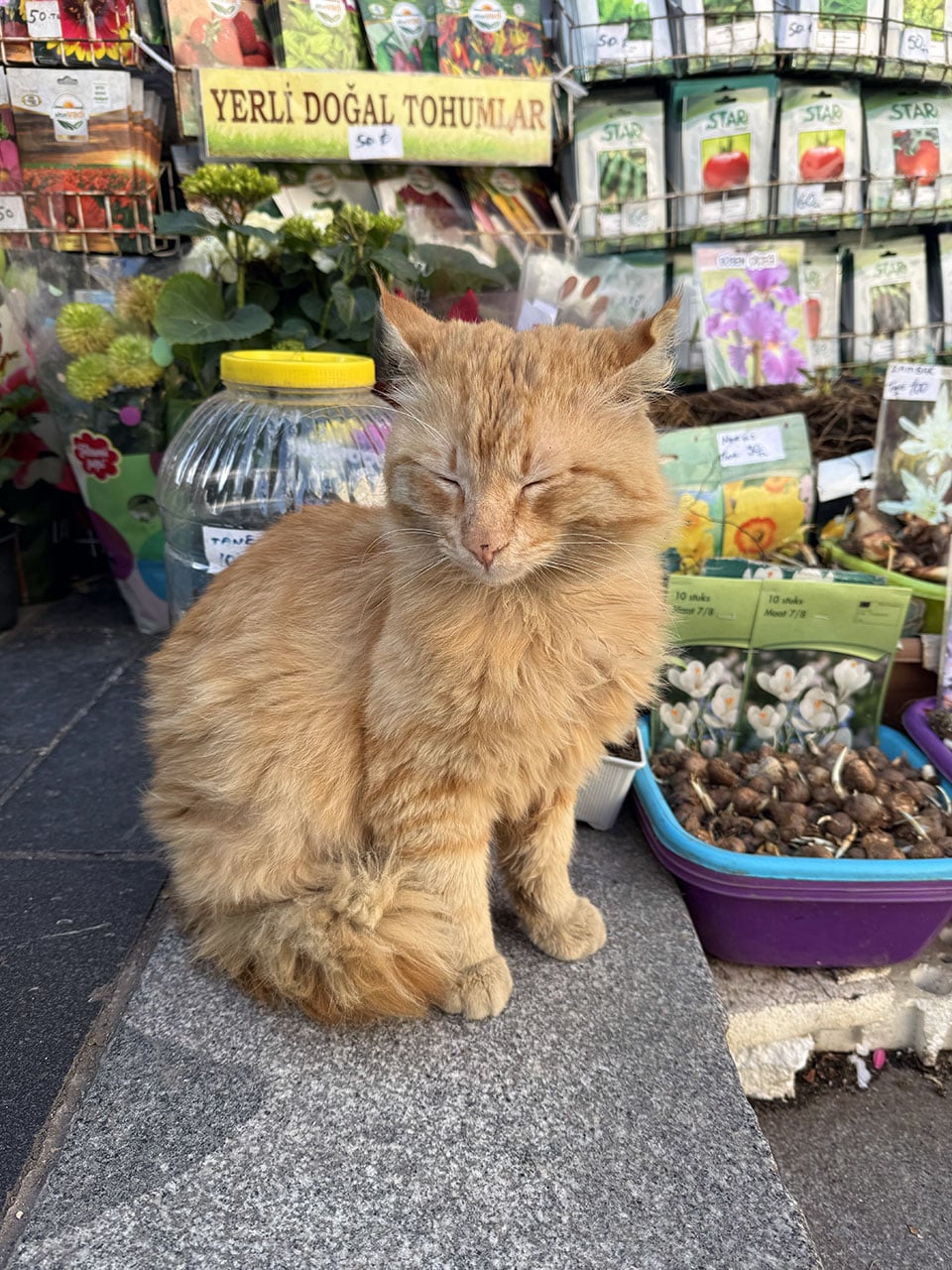
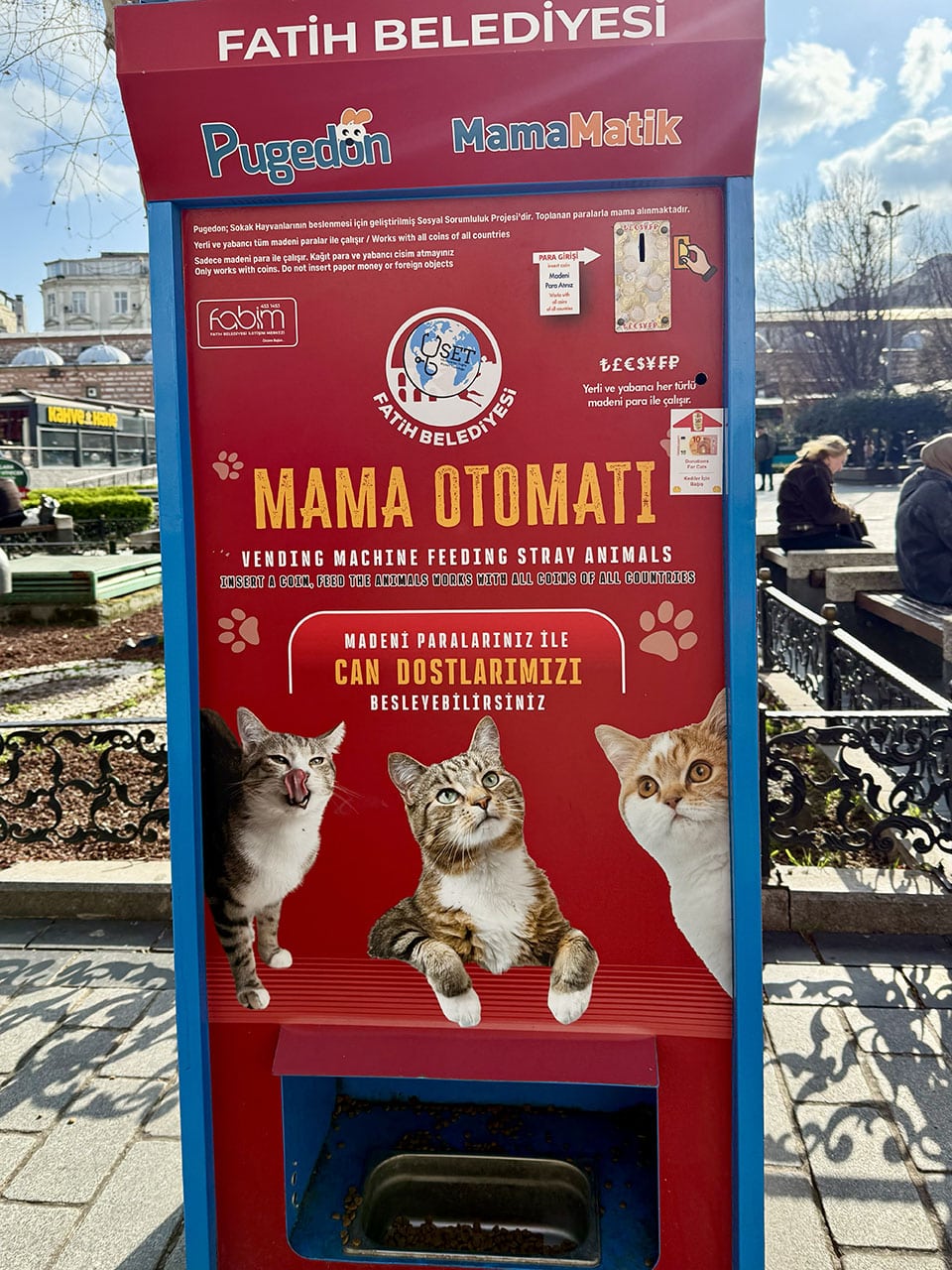
Generations of residents have embraced the tradition of caring for these independent felines, providing food, water, and little shelters throughout the city. There are even cat food vending machines where you can turn spare change into cat food that comes out into the dish below. They’re not considered strays; they’re part of the community! Check out this beautiful documentary about the cats in Istanbul, Kedi.
Basilica Cistern
Though we didn’t have time to visit on this trip, this underground tour was another highlight of our 2013 visit.
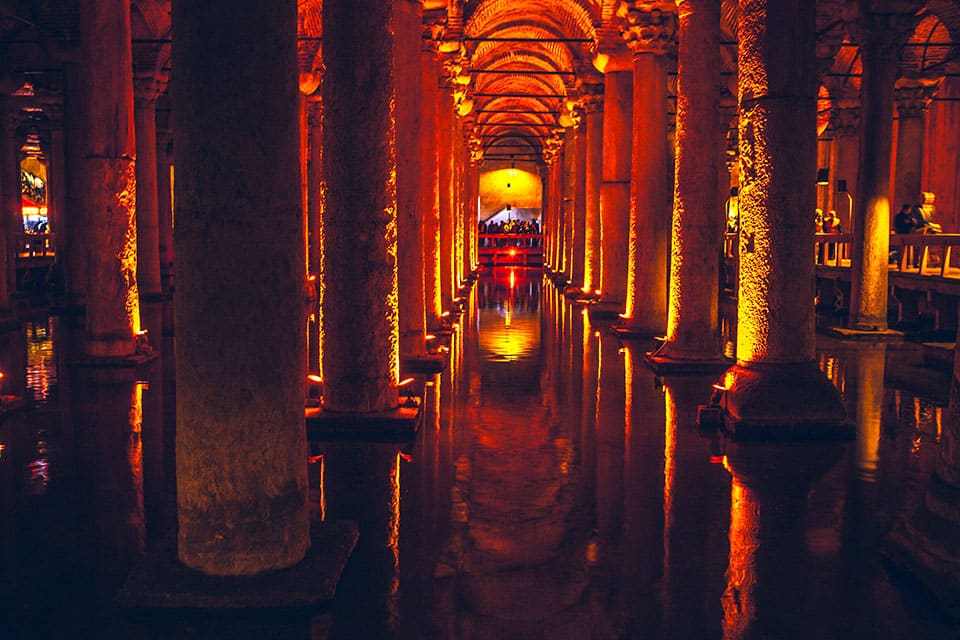
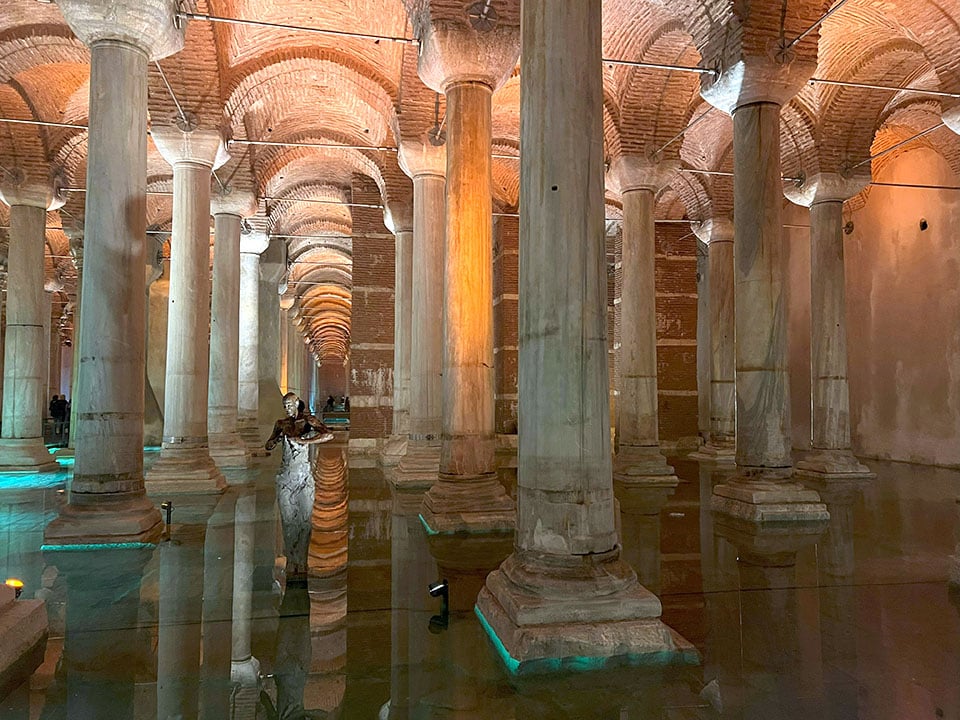
Built in 532 AD by Byzantine Emperor Justinian I, the Basilica Cistern was part of the massive rebuilding effort after the Nika Riots devastated Constantinople. This enormous underground reservoir stored water brought by aqueducts from the Belgrade Forest to supply the Great Palace. Nicknamed the “Sunken Palace,” it features 336 marble columns salvaged from older buildings.
After the Ottoman conquest, the cistern was nearly forgotten until a French scholar rediscovered it in 1545 and learned that local residents were drawing water and even catching fish through holes in the floors above it. Today, this atmospheric underground wonder is open to visitors as a museum, with walkways and lighting that bring its ancient architecture back to life.
Blue Mosque
On our walks to and from our guesthouse, we had wonderful views of the famous Blue Mosque, both in the afternoon light and beautifully illuminated at night. We didn’t go inside on this trip, but we’ll share a few interior photos from our 2013 visit, too. Back then, we got up early and lined up at 7 AM for the 8 AM opening, hoping to beat the crowds before the cruise ship visitors arrived. (Up to 15,000 cruise ship passengers can descend on Istanbul in a single day!) We took the photo below on our 2013 trip.
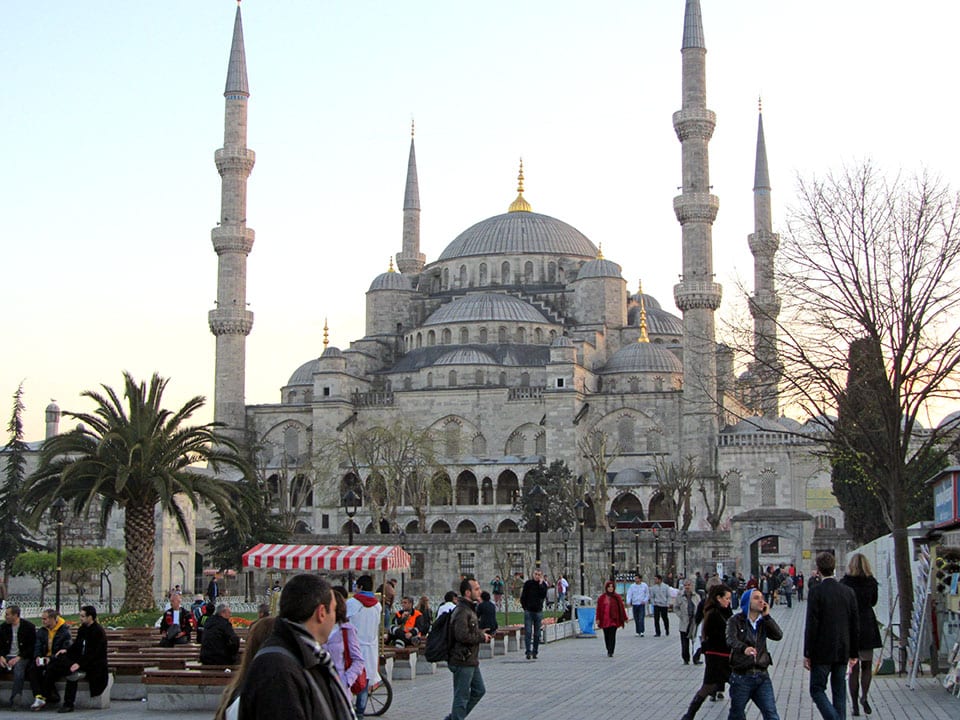
Officially known as the Sultan Ahmed Mosque (Sultanahmet Camii), it was built between 1609 and 1616 during the reign of Sultan Ahmed I. One of Istanbul’s most recognizable landmarks, it’s famous for its six slender minarets and cascading domes. Interestingly, the six minarets were controversial when it was built, as this was unusual for a mosque at the time.
The nickname “Blue Mosque” comes from the more than 20,000 handmade Iznik tiles that decorate the interior walls. The tiles feature beautiful floral patterns, including tulips, in shades of blue, turquoise, green, and white. Despite its name, the interior is more red and white, and the blue tiles are just one part of what makes the space so beautiful.
The mosque sits directly across Sultanahmet Square from Hagia Sophia, creating one of Istanbul’s most spectacular historic settings. And unlike many historic monuments, it’s still an active place of worship, so visiting hours are arranged around daily prayer times.
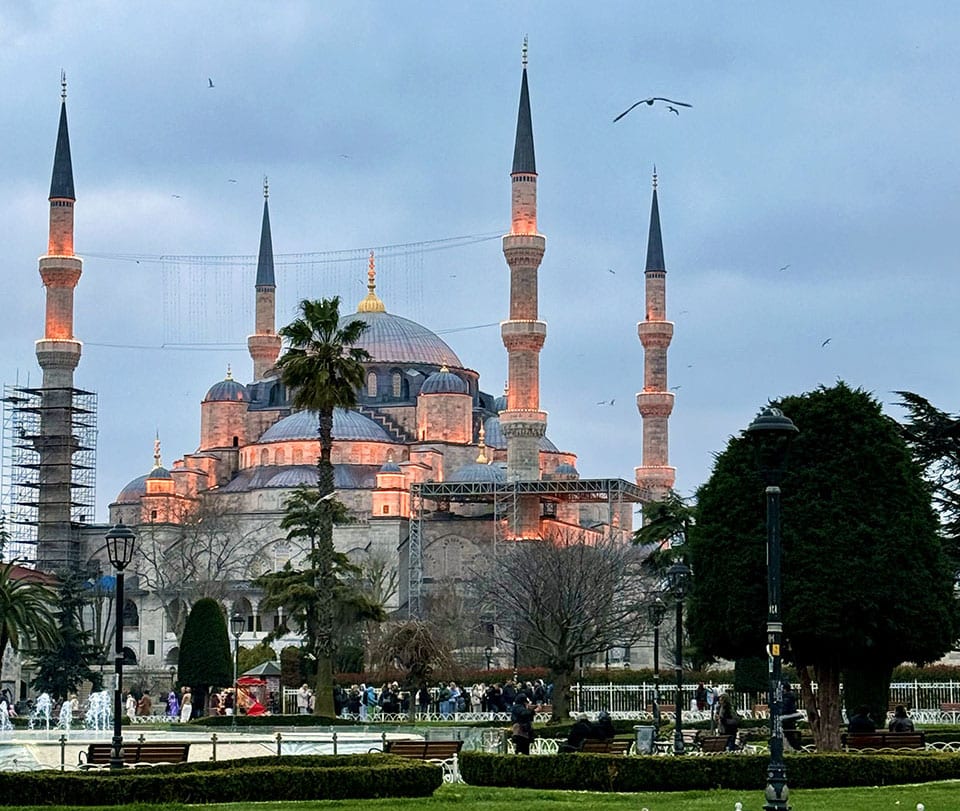
The Blue Mosque lit up at night (with scaffolding on one of the minarets).
Hagia Sophia
We also passed by the beautiful Hagia Sophia (Hah-YAH Soh-FEE-ah) but didn’t go inside. This time, much of the building was covered in scaffolding for ongoing restoration and preservation work. On our previous trip in 2013, we skipped the interior as well, thanks to the enormous crowds of cruise ship visitors and a reported 2–3 hour wait to get in!
Hagia Sophia has quite a history. Originally built as a Christian cathedral under Byzantine Emperor Justinian I, it was completed in 537 AD and was the largest cathedral in the world for nearly 1,000 years. Its enormous central dome was an incredible architectural achievement for its time and remains one of Istanbul’s most recognizable landmarks.
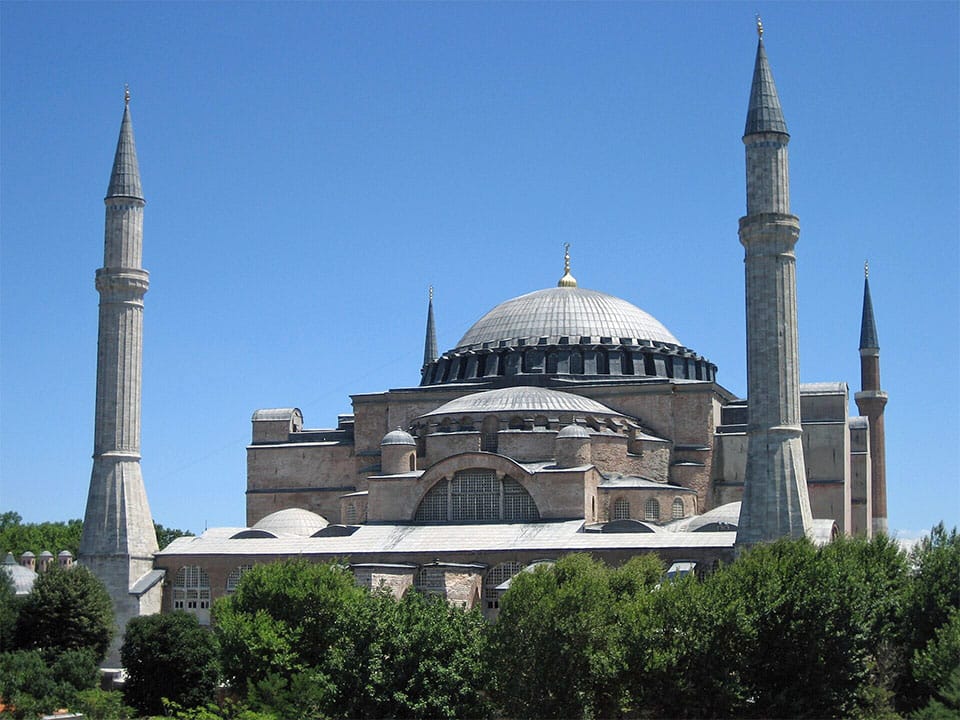
After the Ottoman conquest of Constantinople in 1453, Sultan Mehmed II converted it into a mosque. It later became a museum in 1935, before returning to use as a mosque in 2020. Over the centuries, the building has accumulated layers of both Christian and Islamic art and architecture, including Byzantine mosaics, Islamic calligraphy, minarets, and decorative elements.
The name Hagia Sophia means “Holy Wisdom” in Greek. It’s also part of Istanbul’s UNESCO World Heritage-listed historic areas and is a remarkable reminder of the many civilizations and cultures that have shaped this city. Hopefully, we’ll manage to get inside on our next visit!
Back to Life…Back to Reality!
We packed in a LOT in a few hours, and we were tired, cold, and hungry! So we stopped at the Basilica Restaurant for dinner to warm up. We really did NOT have the right clothing for the cold temperatures! After dinner, we made our way back to Berk Guest House to collect our bags and catch a taxi. We found that they had also prepared spanakopita for us, so nice and unexpected! Since we had just eaten dinner, we wrapped it up to go, and Kirk ate it on the airplane ride.
An hour later, we were back at Istanbul Airport, waiting for our 15-hour flight back to Mexico City. Of all the flying during the 5-week trip, this was the only flight that was just tooooo long. Thankfully, the third passenger in our three-row seat was a no-show, so we had a bit more room, and we mostly slept.
One really unnerving thing about that Boeing 787 flight was that it had LED blackout window shades that only the crew could control. So when it was dark outside, we could see nothing: no lights, no stars, nothing. It felt very claustrophobic to not be able to look outside. Once we realized it was sunrise, we rang the flight attendant bell and asked her to open our window so we could see out. We may be old-school, but when you pay extra for a window seat, you should be able to see out and not have everything blacked out for people on their devices. Just sayin’.
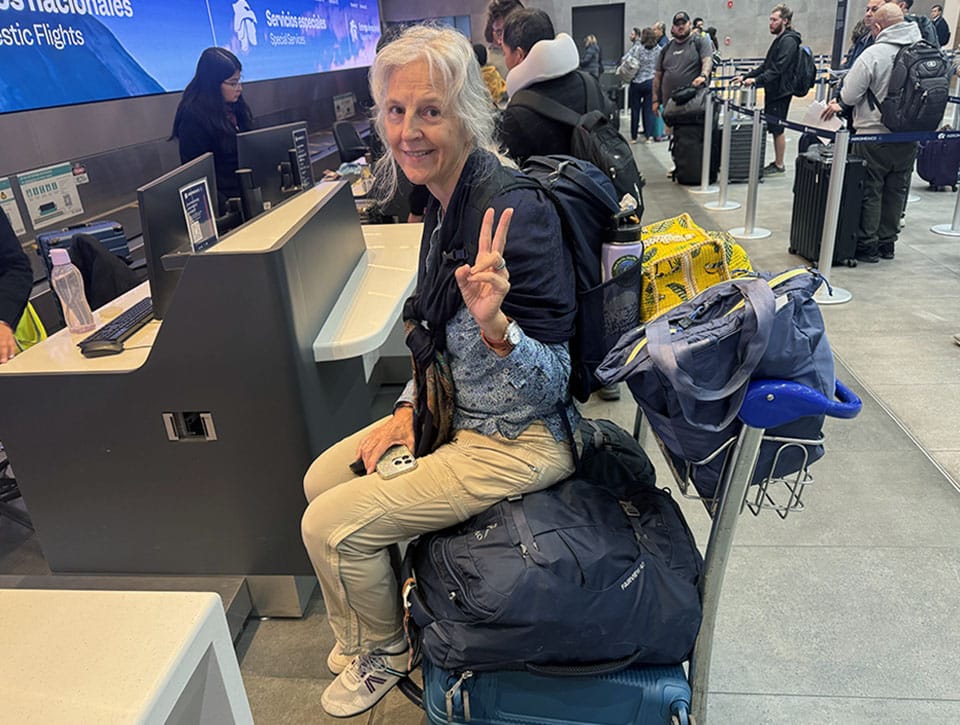
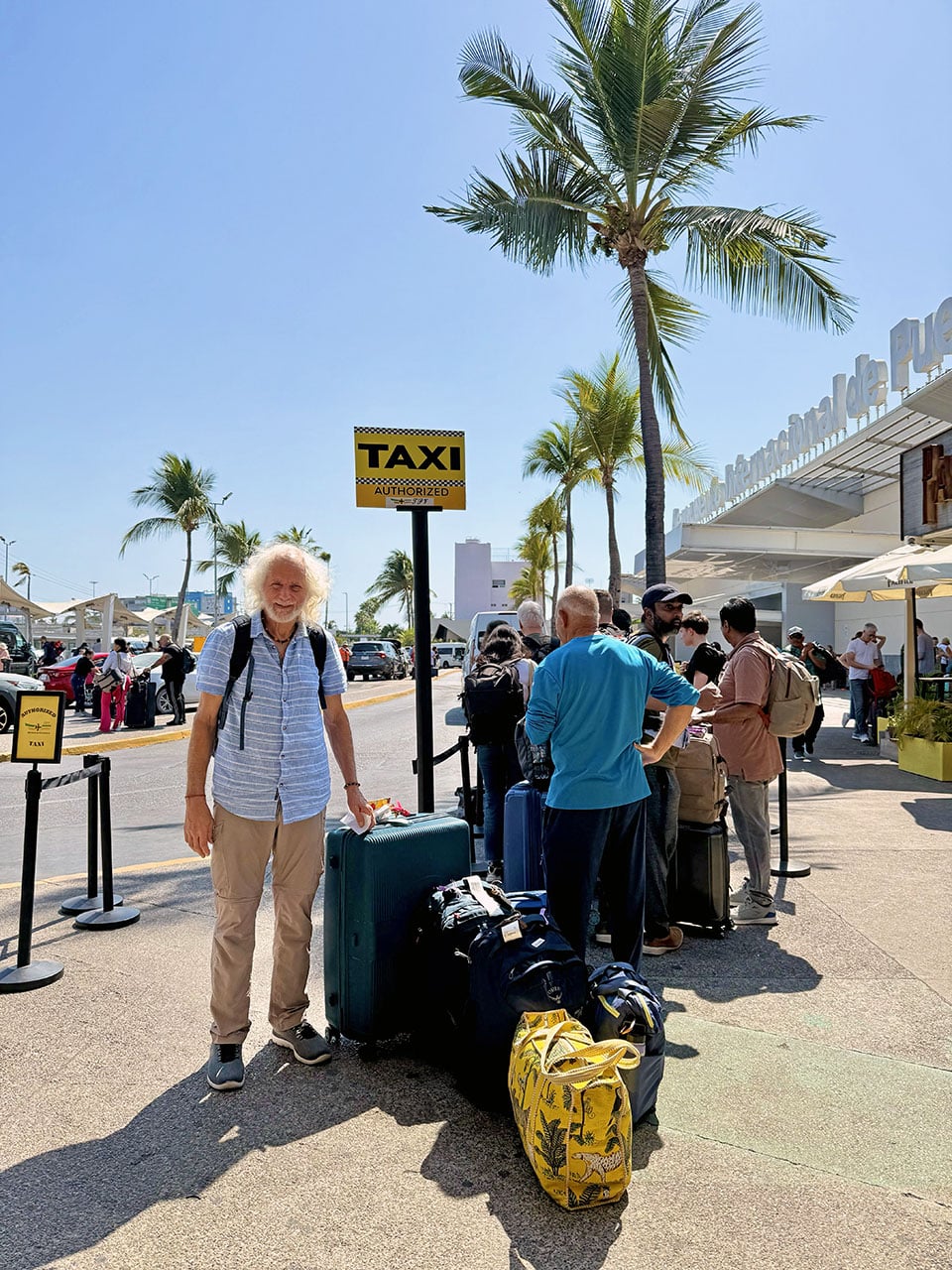
A little bleary-eyed after our 15-hour flight, but glad to be home after 5 weeks of travel!
Back at Mexico City Airport, we had to do the terminal shuffle again and get our own taxi from the international terminal to the domestic terminal because their train/bus system still wasn’t working. Thankfully, we soon arrived back in Puerto Vallarta, and home to Tikka and Due West! So grateful to our friend Christine, who stayed aboard Due West and catsat.
Wow, what an epic adventure! We are so grateful for all of it, and all the new friends we made. Go visit Istanbul… and while you’re so close, visit India too!